Rust stains on carpet can be stubborn, but with the right approach and products, most rust marks can be lifted without damaging the fibers. This guide provides practical, step-by-step instructions and product recommendations to help American homeowners restore carpet appearance after rust exposure.
Quick Answer
Act quickly when you notice a rust stain. Blot instead of scrubbing to lift the moisture, apply a rust stain remover for carpet, and follow with a steam cleaner for rust stains on carpet if needed. Always test any product on a hidden area first and work from the outside of the stain toward the center.
What You’ll Need
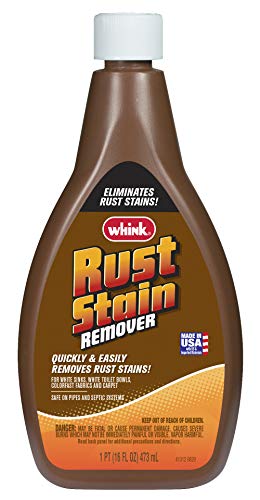
- Rust stain remover for carpet
- Carpet rust stain remover spray
- Carpet stain remover kit rust
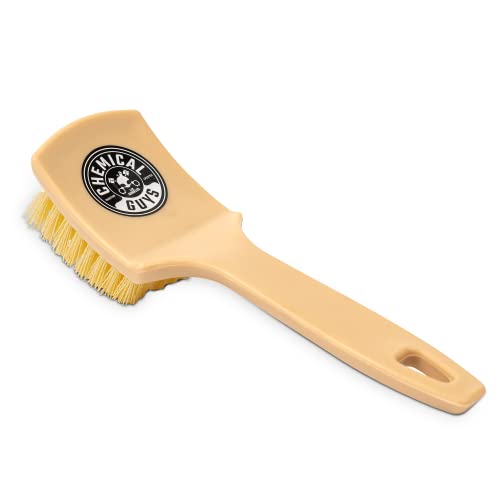
- Carpet cleaning brush rust stain
- Steam cleaner for rust stains on carpet

Before You Start
Prepare the area by moving furniture away and laying down towels to catch drips. Vacuum the affected area to remove loose debris. Test any cleaner on a small, inconspicuous patch of carpet for colorfastness and fiber compatibility. If the stain has been set for a long time or is on delicate fibers, consider seeking professional help. Time estimates vary by stain severity but typically range from 20 minutes to an hour for initial treatment; deeper stains may require multiple passes.
Critical cautions: avoid bleach on colored carpet, which can cause discoloration; never use hot water on rust stains, which can set the stain; follow product instructions for dwell time and rinsing.
Step-By-Step: How To Remove Rust From Carpet
- Blot the stain with a clean cloth or paper towel to absorb as much liquid as possible. Do not rub, which can spread the stain.
- Apply a rust stain remover for carpet directly to the stain, following the product’s instructions for proper dwell time.
- Gently blot again with a clean cloth to lift loosened rust particles. Use a carpet cleaning brush rust stain to work the solution into the fibers if recommended by the product.
- Rinse the area with a small amount of clean water and blot to remove the cleaner, repeating as needed to remove residue.
- If the stain persists, try a carpet rust stain remover spray or a carpet stain remover kit rust as a second option. Apply, wait the advised time, and blot up.
- For stubborn stains, use a steam cleaner for rust stains on carpet to extract remaining residue. Move slowly and overlap passes to ensure thorough cleaning.
- Allow the carpet to air-dry completely. Check for any remaining color and repeat treatment if necessary, avoiding over-wetting the carpet.
- Vacuum the area once dry to restore pile texture and remove any loosened fibers or cleaner residue.
- If color color remains or the stain reappears after cleaning, consider repeating the steps or consulting a professional cleaner.
Troubleshooting
| Symptom | Likely Cause | Fix | Prevention |
|---|---|---|---|
| Rust stain returns after drying | Residual iron particles or alkaline residue | Reapply rust stain remover for carpet and re-rinse thoroughly | Test new products on hidden area; avoid over-wetting |
| Discoloration or bleaching of carpet fibers | Harsh chemical reaction | Stop treatment and flush with water, then apply a color-safe cleaner | Always test first; follow dwell times exactly |
| Stain seems permanent on dark carpet | Stain set into synthetic fibers | Use multiple passes with a steamer and specialized rust removers | Prevent by treating promptly |
| Excess moisture after cleaning | Over-wetting the carpet | Sponge and blot, increase ventilation, use a dehumidifier | Use minimal water and proper extraction |
Common Mistakes
- Trying to scrub aggressively, which damages carpet fibers.
- Using household bleach or ammonia on rust stains, which can react unpredictably.
- Over-wetting the carpet, leading to longer drying times or mold risk.
- Rushing the process without testing products on a hidden area.
- Ignoring manufacturer instructions on dwell times and rinsing.
Tips For Best Results
- Always work from the outside of the stain toward the center to avoid spreading.
- Choose a rust stain remover for carpet that matches your carpet type (nylon, polyester, wool, etc.).
- For large or persistent stains, a steam cleaner for rust stains on carpet can deliver deeper extraction.
- Follow up with a neutral pH carpet cleaner to remove any cleaning residue and restore softness.
- Dry the area thoroughly and use a fan or dehumidifier to prevent mold growth.
Call A Professional
Seek professional help if the rust stain covers a large area, has penetrated to the padding, or the carpet is delicate or expensive. Stop signs include persistent staining after multiple treatments, fiber damage or discoloration, or if moisture remains trapped under the carpet. A pro can assess fiber compatibility and may use specialized tools to restore the carpet safely.
FAQ
Can rust stains be removed from all carpet types?
Most common carpet fibers respond to rust stain removers, but some delicate materials require professional assessment.
Should I use hot water to remove rust from carpet?
No. Hot water can set the stain and worsen discoloration.
Is it safe to mix cleaning solutions?
Avoid mixing cleaners; always follow each product’s instructions to prevent chemical reactions.
How long does rust stain removal typically take?
Initial treatment can take 20–60 minutes; complete removal may require multiple passes or a second day for thorough drying.
Is steam cleaning enough to remove rust stains?
Steam cleaning helps extract residue and moisture, but it’s often used in combination with rust stain removers for best results.
What if the stain returns after cleaning?
Re-treat with a rust stain remover for carpet, re-rinse, and ensure the area dries completely to prevent re-deposit.
Buying Guide
When selecting products to tackle rust on carpet, consider key factors that influence effectiveness and ease of use. A broad rust stain remover for carpet should include clear application instructions and be compatible with your carpet fiber. If treating stubborn or large stains, a carpet rust stain remover spray or a carpet stain remover kit rust may provide flexible options. For ongoing maintenance or tricky spots, a carpet cleaning brush rust stain can help agitate fibers without damage, while a steam cleaner for rust stains on carpet provides deeper extraction.
Size matters: choose quantities that fit your typical stain occurrences without clutter. Look for quick-drying formulations to minimize downtime and odor. Noise level and energy efficiency become relevant when using a steam cleaner or portable extractor, especially in small living spaces. Controls should be intuitive, with clear spray, dwell, and rinse modes. Placement refers to storing cleaners for easy access while keeping children and pets away. Compare product lines that emphasize safe, fiber-friendly chemistry, with emphasis on color-safe and enzyme-based options where appropriate. Finally, evaluate whether you need a kit for rust specifically or standalone products, and plan for compatibility with your carpet type to achieve best results.