Maintaining a clean betta tank is essential for the health and happiness of the fish. A stable routine reduces stress, prevents disease, and keeps colors vibrant. This guide lays out practical steps, suitable tools, and science-backed practices for American hobbyists to keep a betta’s aquatic home pristine.
Quick Answer
Best quick method: perform regular water changes, use a gravel siphon to remove debris, scrub algae with a curved blade scraper, and monitor water quality with an API freshwater master test kit. Always dechlorinate water before adding it back and replace worn filtration media as needed.
What You’ll Need
- betta tank gravel siphon vacuum
- aquarium algae scraper curved blade betta
- betta fish tank filter replacement sponge
- API freshwater master test kit
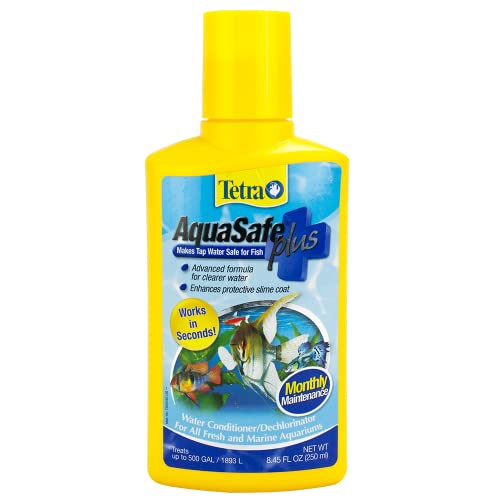
- aquarium water conditioner dechlorinator bottle


Before You Start
Choose a routine that fits the tank size and bioload. A typical betta tank range is 5 to 20 gallons, with weekly maintenance for most setups. Always unplug equipment before cleaning to prevent shocks. Use a siphon slowly to avoid stirring up substrate too aggressively. Important: never remove more than 25–30% of the tank water in a single session to avoid destabilizing the nitrogen cycle. Have a plan for acclimating the betta if the tank requires a larger water change.
Step-By-Step: How To Keep Betta Tank Clean
- Assess water clarity, smell, and filter function before starting. If the water looks cloudy or smells off, plan a larger water change and a filter check.
- Turn off or unplug nonessential equipment, then use a betta tank gravel siphon vacuum to remove debris from the substrate. Move the siphon in slow, overlapping strokes to minimize cloudiness.
- Vacuum one section at a time, targeting detritus and uneaten food. Keep the intake near the substrate to grab settled waste without disturbing the betta.
- Gently scrub glass or acrylic with an aquarium algae scraper curved blade betta to remove algae from walls. Use light, even strokes to avoid scratching fragile tanks.
- Refill with dechlorinated water. Add the aquarium water conditioner dechlorinator bottle according to label directions to protect beneficial bacteria and the fish.
- Check the filter media. If the sponge is compacted or worn, replace it with another betta fish tank filter replacement sponge to maintain effective mechanical filtration.
- Test water parameters using the API freshwater master test kit. Track ammonia, nitrite, nitrate, and pH to ensure a safe environment post-cleaning.
- Reestablish equipment, observe the betta for signs of stress, and resume normal feeding. If nitrates remain high or the tank continuously fouls, adjust maintenance frequency or consider a larger water change.
Troubleshooting
| Symptom | Likely Cause | Fix | Prevention |
|---|---|---|---|
| Cloudy water after cleaning | Disturbed substrate or overfeeding | Run a longer siphon pass; reduce feeding amount | Feed small amounts, clean weekly |
| Algae blooms | Too much light or nutrients | Reduce photoperiod; clean algae; adjust feeding | Use a timer, monitor lighting duration |
| Unstable test results | Inconsistent water changes | Test and adjust schedule; retest after 24 hours | Maintain regular maintenance routine |
| Filtration is noisy or weak | Clogged sponge or worn media | Rinse or replace sponge; inspect filter | Plan for periodic media replacement |
| Betta shows stress or color fading | Water quality fluctuation | Stabilize parameters; ensure proper acclimation | Consistent water changes and temperature |
Common Mistakes
- Cleaning too aggressively and removing beneficial bacteria with excessive substrate disturbance.
- Using hot or cold tap water without dechlorination, harming fish and bacteria colonies.
- Overfeeding, which increases waste and nutrients that fuel algae growth.
- Ignoring test results, assuming water looks fine without testing.
Careful, gradual maintenance minimizes stress for the betta and preserves a stable tank ecosystem.
Tips For Best Results
- Establish a weekly routine: test water, perform partial water changes, clean glass, and inspect equipment.
- Use a pre-measured API test kit protocol to track ammonia, nitrite, nitrate, and pH, especially after water changes or filter work.
- Soak new filter media in tank water before first use to minimize new-tank syndrome and protect beneficial bacteria.
- Maintain a consistent temperature (around 76–80°F) to support metabolic stability during cleaning.
- Keep lights on a controlled schedule to curb algae growth without stressing the betta.
Call A Professional
Seek immediate help if the betta shows persistent lethargy, gasping at the surface, unchecked parasites, or if water chemistry remains unsafe despite proper cleaning. Persistent issues may indicate an underlying illness or a failed filtration setup that requires a certified aquarist or veterinarian’s guidance.
FAQ
How often should I clean a betta tank?
Most betta tanks benefit from a partial water change weekly, with substrate cleaning and glass scraping every 1–2 weeks depending on stock density and feeding habits.
Can I reuse old filter media?
Rinse gently in tank water during cleaning but replace media according to manufacturer guidance to maintain effective filtration.
What should I test in betta water?
Test ammonia, nitrite, nitrate, and pH regularly; check temperature to keep it within the ideal range for bettas.
Is gravel vacuum necessary for tiny tanks?
Yes, even small tanks accumulate detritus; a gravel siphon helps remove waste that would otherwise degrade water quality.
What dechlorinator should I use?
Use a trusted aquarium water conditioner that neutralizes chlorine and chloramines, and follow dosage instructions for your tank size.
How long should a typical water change take?
A 25–30% change usually takes 5–15 minutes, depending on tank size and debris level.
What about plants and decor during cleaning?
Rinse plants and decor in tank water if necessary; avoid abrupt movement that could stress the betta.
Buying Guide
A well-chosen setup supports long-term cleanliness and fish health. When selecting gear, consider:
- <bTank size and layout: A larger, well-filtered tank with stable temperature makes maintenance easier and reduces stress on the betta.
- <bFiltration and media: A sponge-based replacement to the filter helps trap particulates while preserving beneficial bacteria. Ensure compatibility with your filter model.
- <bWater testing: An API freshwater master test kit provides essential parameters for quick decisions about cleaning frequency and water changes.
- <bWater conditioner: Choose a reliable dechlorinator to safely treat tap water before reintroduction to the tank.
- <bAlgae control tools: A curved blade algae scraper helps keep tank walls clean without scratching surfaces.
- <bMaintenance ease: Consider a gravel siphon designed for small tanks to simplify regular substrate cleaning.
Comparing options by size, ease of use, and compatibility with your setup helps ensure that the cleaning routine remains simple and effective over time. If unsure, consult a local fish store or online guides for model-specific recommendations.