Climbing skins are essential for efficient ascents on mixed terrain, but they require regular cleaning to maintain grip and longevity. Proper care helps preserve the adhesive and extend the life of the skins. This guide outlines practical, safe methods for cleaning climbing skins using common gear and dedicated products.
Whether you’re a weekend explorer or a serious backcountry traveler, keeping skins clean reduces slippage, improves glide, and prevents premature replacement. The following steps focus on effective cleaning without damaging the delicate fibers or adhesive layer.
Quick Answer
Fast method: remove dirt with a soft brush, then wipe with a mild soap solution. Rinse lightly, dry completely, and reapply adhesive remover only if necessary. For stubborn grime, use a dedicated climbing skins cleaning kit and conditioner to restore stickiness.
The Essentials: What You Need
Having the right tools makes the cleaning routine straightforward and safe. Gather these items before you begin.
- Climbing skins cleaning kit
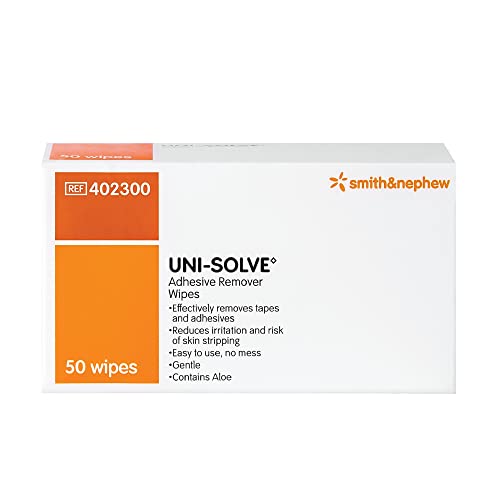
- Adhesive remover for climbing skins
- Ski skins grooming brush and cleaner
- Ski skin glue remover
- Climbing skins conditioning soap


Before You Start
Prepare a clean workspace and protect sensitive surfaces. Work in a well-ventilated area to avoid inhaling fumes from adhesive removers. Always check the skin’s care label for any manufacturer-specific instructions. Time estimate: 20–40 minutes for a full cleaning cycle, plus drying time.
Critical cautions: never submerge skins in water for extended periods, and avoid harsh solvents that can dull fibers or damage the adhesive. Use gloves if you have sensitive skin and keep detergents away from the exposed glue.
Step-By-Step: How To Clean Climbing Skins
- Remove the skins from the skis and lay them flat on a clean, dry surface.
- Gently brush away loose dirt with a soft ski grooming brush to avoid embedding grit into the fibers.
- Mix a small amount of climbing skins cleansing solution or a mild soap with lukewarm water. Do not use hot water or strong detergents.
- Wipe both the glue side and the fleece/nosing side with a damp cloth, focusing on areas with grime or residue.
- For stubborn grime, apply a thin layer of climbing skins conditioning soap and rub in gently with a microfiber pad. Rinse lightly with a clean, damp cloth.
- Dry the skins completely with a clean towel and allow them to air-dry in a shaded area away from direct heat.
- If adhesive residues remain, apply adhesive remover for climbing skins according to the product instructions. Wait the recommended time, then wipe clean with a dry cloth.
- Inspect the adhesive area for uniform stickiness. Apply a small amount of ski skin glue remover if necessary, following safety guidelines to prevent overuse.
- Recondition the adhesive with the recommended conditioner or treatment if the kit provides one. This helps restore tackiness and prolongs life.
- Once completely dry, reattach the skins to the ski tails and test the adhesion by gently pulling on the skin edge to ensure even bonding.
- Store the skins rolled with the fleece side out or flat, depending on manufacturer guidance, in a cool, dry place away from direct sunlight.
- Schedule routine maintenance after several outings to keep performance consistent, especially after wet conditions or heavy use.
Troubleshooting
| Symptom | Likely Cause | Fix | Prevention |
|---|---|---|---|
| Adhesive feels tacky inconsistently | Uneven adhesion from residue or buildup | Use adhesive remover, re-clean, and reapply conditioner | Regular light cleanings after wet/silty trips |
| Slippery feel after cleaning | Over-wetting or over-soaking the fleece | Dry thoroughly, avoid soaking; use minimal water | Use a damp cloth rather than a soaking wash |
| Streaks on fleece showing | Soap residue | Rinse with a clean, damp cloth and dry completely | Rinse thoroughly with minimal runoff |
| Adhesive pullback or peeling | Old adhesive or improper storage | Apply conditioner or replace adhesive per kit | Store away from heat, inspect regularly |
Common Mistakes
- Overusing adhesive remover, which can dry out or degrade the glue
- Using hot water or harsh chemicals that damage fibers
- Avoiding thorough drying, which encourages mold or foul odors
- Ignoring manufacturer guidelines for cleaning frequency and products
Tips For Best Results
For optimal performance, clean skins after exposure to mud, dust, or ice, and before storage. Use the dedicated cleaning kit and conditioners to maintain resilience. Keep the glue side dry during handling, and test adhesion in a controlled environment before a backcountry ascent. If you notice persistent tackiness loss, consult the product’s instructions or contact the manufacturer for guidance.
Call A Professional
Seek professional help if skins show persistent delamination, large areas of wear, or chemical damage from incorrect cleaners. Stop using the skins if the adhesive becomes flaky, sticky irregularly, or if there are tears in the fleece. A ski shop or alpine equipment technician can assess adhesive health, re-glue the skins, or recommend replacements.
FAQ
How often should climbing skins be cleaned?
Clean skins after heavy use or exposure to dirt, and before long storage. Routine light cleanings after outings help prevent buildup.
Can I use household soap to clean climbing skins?
Use mild, non-abrasive soaps specifically designed for climbing skins or a dedicated cleaning kit to avoid damaging fibers and glue.
What if the adhesive loses stickiness?
Use an adhesive remover to clean residue, then recondition with the provided treatment or conditioner. If stickiness remains poor, the adhesive may need replacement.
Is it safe to soak skins in water?
Avoid soaking skins; use damp cloths and quick rinses to remove grime, then dry completely before storage.
Should I store skins adhesive-side up or fleece-side up?
Follow manufacturer guidance, but typically store with the fleece side out or loosely rolled to prevent adhesive damage in storage conditions.
Can I clean skins while they are attached to skis?
It’s safer and more effective to remove them first. Cleaning off-ski reduces the risk of glue damage and ensures thorough cleaning.
Do cleaning products affect performance in cold weather?
Most dedicated products are formulated for cold conditions, but always follow product instructions to avoid residue that could impede adhesion in low temperatures.
Buying Guide
Choosing the right care products for climbing skins involves considering several factors. Size and compatibility matter: ensure the cleaning kit and conditioner suit your skin type and adhesive system. Noise level is not typically a concern for this category, but choose products with low VOCs for safer indoor use. Energy efficiency isn’t directly applicable, but efficient, residue-free formulas save time and reduce repeat cleanings. Controls on containers should be intuitive, with clear instructions and safety warnings. When choosing placement for storing products, keep them in a cool, dry area away from direct sunlight to preserve adhesive integrity and fiber quality. Compare kits based on included items (brushes, soaps, removers, conditioners) and whether they cover both cleaning and reconditioning. Consider brand reputation, availability in the U.S., and user reviews for real-world results. If you ski frequently in wet or icy environments, investing in a comprehensive kit that includes an adhesive remover and a dedicated conditioning soap can simplify maintenance and extend skin life.