Outdoor string lights can brighten evenings and enhance curb appeal, but dirt, pollen, and mold can dull their glow. Regular cleaning keeps them sparkling and extends their lifespan. This guide outlines a practical, safe approach for American homes, using common tools and a simple method that works for most patio and backyard setups.
Quick Answer
Fast method: Unplug lights, remove bulbs if possible, brush away loose debris, wipe with a damp microfiber cloth, then hand-dry. For stubborn grime, use a soft bristle brush with mild soapy water and rinse with a damp cloth. Always dry thoroughly before reassembling and reconnecting power.
What You’ll Need
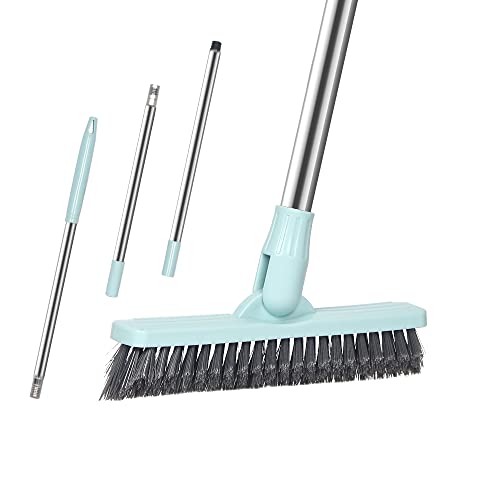
- Outdoor string lights cleaning brush
- Extension pole cleaning brush for outdoor string lights
- Microfiber cloth for cleaning outdoor string lights
- Soft bristle brush for patio string lights
- Outdoor string lights cleaning kit brush


Before You Start
Safety first: always unplug the lighting system before cleaning. If the lights are mounted high or in hard-to-reach spots, use an extension pole to avoid stretching electrical cords or climbing ladders. Work in mild weather; avoid cleaning in direct sun to prevent quick drying that can leave streaks. Plan a time estimate of 20–60 minutes depending on the length and installation complexity. Protect electrical connections from water and inspect cords for cracks or damaged insulation before and after cleaning.
Step-By-Step: How To Clean Outdoor String Lights
- Unplug the entire installation and allow bulbs to cool. If bulbs are removable, take them out to clean around the sockets.
- Use a dry brush or microfiber cloth to remove loose dust, cobwebs, and pollen from the cords and bulbs.
- Prepare a mild cleaning solution: mix a small amount of dish soap with warm water in a bucket. Dip the soft bristle brush for patio string lights into the solution and gently scrub each section.
- For delicate finishes or plastic bulbs, switch to a microfiber cloth for cleaning outdoor string lights and wipe in a circular motion to avoid scratching.
- Rinse with a damp cloth or lightly wipe with clean water to remove soap residue. Do not soak connectors or sockets; apply moisture sparingly.
- Dry thoroughly with a clean, dry microfiber cloth or allow air-drying in a shaded area. Reinstall bulbs if removed and reattach any coverings or clips.
- Inspect for any signs of wear, such as frayed cords or cracked bulbs. Replace damaged components before powering on again.
- Reconnect power and test each section. If some bulbs flicker or dim, recheck connections and ensure bulbs are seated properly.
- Establish a routine cleaning cadence, especially after pollen-heavy seasons or heavy rain exposures to maintain brightness and safety.
- Store or rehang after cleaning if seasonal use ends, ensuring cords are dry and coils are neatly secured to prevent tangling.
- Document any maintenance notes (dates, replacements) to simplify future upkeep and warranty considerations.
Troubleshooting
| Symptom | Likely Cause | Fix | Prevention |
|---|---|---|---|
| Bulbs flicker | Loosened connection or dirt around sockets | Unplug, reseat bulbs, clean sockets with microfiber | Regular gentle cleaning schedule |
| Lights dim | Soot or grime on bulbs or lenses | Clean bulbs with microfiber, wipe lenses | Avoid harsh cleaners that leave residue |
| Water exposure after cleaning | Moisture in connections | Dry thoroughly before powering | Use weatherproof covers and sealants where appropriate |
| Cords corroded | Long outdoor exposure | Replace damaged cords | Inspect seasonally and during cleaning |
Common Mistakes
- Cleaning while the lights are still plugged in or wet, risking shock.
- Using harsh chemicals that can degrade plastics or coatings.
- Scrubbing too hard, which can scratch bulbs or deform lenses.
- Neglecting to dry connectors, leading to moisture-related corrosion.
Tips For Best Results
- Clean during mild weather and shade to prevent quick drying and streaks.
- Use a soft brush first, then switch to microfiber for final polish.
- Work from the lowest point upward to prevent dripping onto cleaned areas.
- Label and separate bulbs before cleaning if you’ve removed several for access.
- Consider a dedicated cleaning kit designed for outdoor lighting to simplify maintenance.
Call A Professional
Stop cleaning and call a professional if you notice any of the following: persistent water intrusion into electrical boxes, damaged insulation, signs of electrical arcing, or lights that refuse to power on after cleaning. If bulbs are difficult to remove or installation is unusually complex, a licensed electrician can ensure safety and code compliance.
FAQ
Is it safe to use a hose to rinse outdoor string lights?
Direct spraying should be avoided near electrical connections. Use a damp cloth or a gentle spray away from sockets to remove grime.
Can I clean bulbs with alcohol or solvent cleaners?
Solvents can degrade plastic lenses and seals. Stick to mild soap and water for most cleaning tasks.
How often should I clean outdoor string lights?
Lightly dust monthly during the season and perform a thorough cleaning at the end of the season before storage.
What if a bulb doesn’t come cleanly out while cleaning?
Power off, ensure bulbs are cool, and gently rotate while pulling. If resistance remains, stop to avoid breaking the bulb.
Are LED string lights easier to clean than incandescent?
LEDs typically produce less heat and are more resilient to frequent cleaning, but follow the same safety steps for all types.
Buying Guide
Size and Length
Consider the total length of the string lights and the span they must cover. Longer runs may require more frequent cleaning care and stronger clips to prevent sagging.
Noise Level
String lights themselves are silent, but hardware like timers, transformers, or dimmers may introduce hum or buzz. Choose components with quiet, reliable operation for outdoor environments.
Energy Efficiency
LED options consume less power and generate less heat, making them easier to clean and maintain over time. Check lumens for brightness and ensure efficiency matches usage needs.
Controls and Features
Look for weatherproof controls, remote operation, and smart home integration if desired. Ensure remote or app controls are rated for outdoor use and sealed against moisture.
Placement and Mounting
Assess mounting surfaces, weather exposure, and accessibility for cleaning. Use corrosion-resistant hardware and consider protective covers for sockets to simplify maintenance.
Durability and Materials
Choose bulbs and cords with UV protection and waterproof ratings. Materials should withstand sun, rain, and temperature changes without degrading.
Maintenance Compatibility
Prefer lighting systems with easy bulb access and clearly labeled parts to simplify cleaning and replacements.
Warranty and Support
Review warranty terms for cleaning-related damage and confirm availability of replacement parts and service assistance.