Ink stains can vary by source, type, and fabric. This guide provides practical, step-by-step methods using common products such as fabric ink stain remover pens, wipes, isopropyl alcohol, spray formulas, and magic erasers. The methods are suitable for many fabrics and household surfaces while emphasizing safety and test patches.
Quick Answer
Choose a method based on material: for fabrics, start with a stain remover pen or wipes, then follow with alcohol or spray as needed. For hard surfaces, a spray cleaner or magic eraser can lift ink more effectively. Always test a hidden area first and work from the outside of the stain inward.
What You’ll Need
- Fabric ink stain remover pen
- Ink stain removal wipes for clothes
- Isopropyl alcohol 70% for ink stain removal bottle
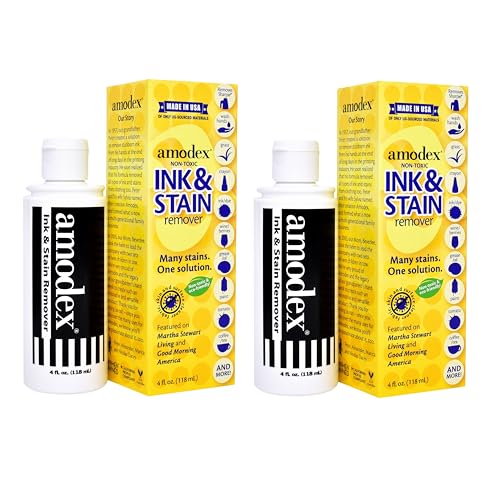
- Ink stain remover spray for fabrics and surfaces
- Magic eraser ink stain remover sponge


Before You Start
Identify the type of ink: water-based inks respond well to water-based cleaners, while alcohol-based inks may require stronger solvents. Always spot-test cleaner on a hidden seam or inconspicuous area first to avoid discoloration. For delicate fabrics, treat gently and avoid over-wetting. Time estimates vary: immediate action yields the best results, while older stains may require repeated treatments. Safety note: work in a well-ventilated area when using alcohol or spray cleaners, and keep cleaners away from children and pets.
Step-By-Step: How To Remove Ink Stains
- Blot the stain gently with a clean cloth to remove excess ink without spreading it.
- Apply a fabric ink stain remover pen directly to the stain and rub softly to work the stain into the fibers.
- If available, use ink stain removal wipes for clothes to pre-treat the area by dabbing—not rubbing—until the stain lightens.
- For stubborn or larger stains on textiles, apply isopropyl alcohol 70% in a small amount to a clean cloth and blot from the outside inward.
- Wait 1–2 minutes, then rinse with cold or lukewarm water to remove loosened dye before laundering as usual.
- For fabrics that tolerate it, spray a dedicated ink stain remover spray for fabrics and surfaces and allow to sit for a few minutes before blotting with a clean cloth.
- Gently scrub with a soft-bristle brush or sponge if the fabric is durable, then rinse again and launder per care label instructions.
- For hard surfaces, wipe with a little spray cleaner or use a magic eraser ink stain remover sponge to lift remaining pigment, then wipe clean with a damp cloth.
- Air dry and recheck. Treat any remaining trace with the same method, avoiding over-wetting.
- Avoid heat until the stain is fully removed, as heat can set the pigment into fibers.
- Repeat steps as needed, particularly for older or layered stains.
- For delicate or valuable fabrics, consider consulting the garment care label or a professional cleaner if the stain persists.
Troubleshooting
| Symptom | Likely Cause | Fix | Prevention |
|---|---|---|---|
| Stain reappears after washing | Incomplete removal; stain set | Repeat pre-treatment before washing, use a stronger remover | Treat promptly; test spot first |
| Fabric discoloration | Chemical interference with dye | Test on hidden area; switch to milder cleaner | Follow care labels; avoid over-wetting |
| Streaks on surfaces | Excess cleaner or rubbing | Wipe evenly; use minimal product | Work in small sections |
| No improvement after method | Ink type not responsive | Try alternate product (alcohol vs. spray) | Consult professional cleaner for guidance |
Common Mistakes
- Rubbing stains aggressively, which can spread ink and embed it deeper.
- Using heat before stain removal is complete, which can set ink.
- Choosing the wrong cleaner for delicate fabrics or non-colorfast materials.
- Not testing a small area before full application, risking permanent damage.
Careful product selection and immediate action help prevent these mistakes from impacting results.
Tips For Best Results
- Work from the outside of the stain toward the center to prevent spreading.
- Keep cleaners off zippers, buttons, and embellished areas unless designed for such use.
- For multi-fiber garments, repeat steps on each affected fiber type as needed.
- Store leftover products in a cool, dry place and check expiry dates since effectiveness can decline over time.
Call A Professional
Stop and seek professional help if the fabric is silk, suede, or wool, or if the stain covers a large area or involves a valuable item. Professional cleaners have specialized solvents and equipment to minimize damage and maximize stain removal. If the stain has persisted after several at-home attempts or if repeated cleaning would risk fabric integrity, professional consultation is advised.
FAQ
Can I remove ink stains from white fabrics?
Yes, white fabrics often tolerate stronger cleaners, but always test first and avoid chlorine bleach unless the fabric label permits it.
Is isopropyl alcohol safe on all fabrics?
Alcohol is effective on many inks but can harm delicate fabrics or dyes. Test in an inconspicuous area before applying widely.
What is the best method for pen ink on cotton?
Pen ink on cotton typically responds well to a stain remover pen or wipes, followed by a light alcohol treatment if needed.
Can ink stains be removed from upholstery?
Yes, but upholstery may require fabric-safe cleaners and careful blotting. For heavy cases, consider a professional cleaning service.
Should I wash clothes immediately after applying cleaner?
Lightly blot and rinse before washing; allow the remover to work on the stain for a few minutes if the fabric label allows.
Are magic erasers safe for all surfaces?
No. They can abrade some finishes. Use on durable surfaces and always test a hidden area first.
Buying Guide
When choosing ink stain removal products, consider the following factors to optimize results across fabrics and surfaces:
- Size and coverage: Pens and wipes are convenient for targeted stains, while sprays cover larger areas.
- Ink type compatibility: Water-based inks respond to milder cleaners, while alcohol-based inks may require stronger solvents.
- Fabric compatibility: Delicate fabrics need gentle approaches; sturdy fabrics tolerate stronger cleaners.
- Safety and ventilation: Alcohol-based products require good airflow and away from children.
- Surface versatility: Some sprays and sponges work on fabrics and hard surfaces, offering a single solution.
- Ease of use: Pre-marked steps and built-in brushes on pens or wipes simplify tasks for quick spot treatments.
- Storage and shelf life: Check expiration dates and store in a cool, dry place to maintain effectiveness.
- Care label guidance: Always align methods with the garment or surface care instructions to prevent damage.
Thinking about a multi-surface approach? A stain remover spray paired with a sponge or a dedicated ink eraser sponge can offer flexibility for textiles and household surfaces. For ongoing stain challenges, consider keeping a pen and wipes on hand for quick, proactive treatment.