Stains on a couch can come from spills, pets, or everyday use, and addressing them promptly keeps upholstery looking fresh. This guide outlines practical, step-by-step methods using common cleaning tools to safely remove stains from couch fabrics.
Readers will find a straightforward approach that works for many fabric types, along with safety tips and troubleshooting to handle stubborn spots. The methods rely on accessible supplies and emphasize gentle, effective cleaning over harsh scrubbing.
Quick Answer
Identify the stain type, blot gently, test a hidden area with cleaner, then apply a suitable method for your fabric. Use a steam cleaner or a fabric stain remover spray for most couch stains, followed by a soft brush and microfiber cloths to lift and dry the area.
What You’ll Need
- Upholstery steam cleaner for couch stains
- Fabric stain remover spray for sofa upholstery
- Stain removing upholstery cleaning brush
- Microfiber cleaning cloths for sofa stains
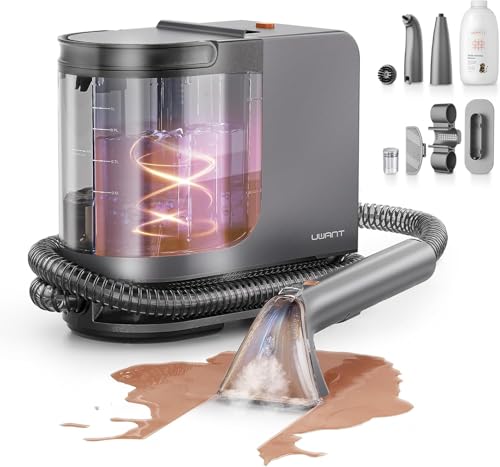
- Portable upholstery cleaning machine for sofa


Before You Start
Check the couch label for cleaning codes (W, S, WS, or X) to choose safe methods. Always test cleaners on a hidden area first to avoid color loss. Work on a cool, dry surface and allow the fabric to dry completely before use. Plan for a cleaning session that allocates time for blotting, cleaning, and thorough drying, typically 1–3 hours depending on the stain and fabric.
Step-By-Step: How To Clean Couch Stains
- Identify the stain and choose a method: water-based stains respond to mild cleaners; oil-based stains may require solvent-based products.
- Blot, don’t rub: use a microfiber cloth to absorb excess liquid from fresh spills, moving from the outside toward the center to prevent spreading.
- Prepare a cleaning solution: mix a small amount of mild detergent with water for water-safe fabrics, or apply a fabric stain remover spray as directed by the product label.
- Apply cleaner to the stain: lightly mist or dab the solution onto the fabric, avoiding oversaturation which can lead to mildew or color bleed.
- Gently agitate with a brush: use a stain removing upholstery cleaning brush to lift embedded particles without damaging fibers.
- Rinse and blot: wipe away loosened debris with a clean damp cloth, then blot until the fabric feels almost dry.
- Dry thoroughly: allow air drying or use a fan to speed up the process; avoid direct sunlight which can fade colors.
- Repeat if needed: for stubborn stains, repeat the steps in small increments to prevent over-wetting.
Troubleshooting
| Symptom | Likely Cause | Fix | Prevention |
|---|---|---|---|
| Stain reappears after drying | Residual stain or over-wetting | Reapply cleaner and extend drying time | Test and dry between passes |
| Discoloration or color bleed | Incompatible cleaner or solvent | Stop using and consult fabric care guide | Always spot-test first |
| Fabric feels stiff after cleaning | Residue from cleaner | Rinse with clean water and blot until dry | Use minimal cleaner per area |
| Bad odor persists | Moisture trap or mold risk | Increase airflow and ensure complete drying | Ventilate after cleaning |
Common Mistakes
- Over-wetting the fabric, which can lead to mold and backing issues.
- Using harsh solvents on delicate fabrics, causing fading or damage.
- Rubbing stains aggressively, which pushes them deeper into fibers.
- Choosing cleaners without testing on a hidden area first.
Tips For Best Results
- Act quickly on fresh spills to improve stain removal success.
- Use a white microfiber cloth to avoid transferring dye during cleaning.
- Work from the outside edge toward the center to contain the stain.
- Keep cleaning sessions gentle and short to protect fabric integrity.
- After cleaning, brush fabric lightly to restore nap and prevent stiffness.
Call A Professional
Consider a professional cleaner if the stain is old, large, or if the couch has delicate or untreated fabric. Stop and seek expertise if there is:
- Uncertain fabric care code (X or unknown) and risk of damage
- Persistent stains after multiple cleaning attempts
- Wheezing or strong chemical odors during cleaning
FAQ
Can I clean stains from all couch fabrics the same way?
Most fabrics respond to similar methods, but always check the care label and spot-test first to avoid damage.
How long does it take for a couch to dry after cleaning?
Drying time varies by fabric and ventilation, typically 2–6 hours. Quick drying aids include fans and open windows.
Is steam cleaning safe for all stains?
Steam is effective for many stains but may not suit oil-based or delicate fibers; follow product guidelines and test beforehand.
What should I do with stubborn pet stains?
For pet stains, use enzyme-based cleaners on appropriate fabrics and ensure complete rinsing and drying to prevent odors.
Buying Guide
When selecting tools for cleaning couch stains, consider size, ease of use, and compatibility with your couch fabric. Key buying factors include:
- Size and weight: A compact, portable cleaner is easier to maneuver around furniture and tight spaces.
- Noise level: Look for quieter operation to preserve a comfortable home environment.
- Energy efficiency: Choose devices with efficient motors and low power usage for frequent cleaning sessions.
- Controls and settings: Options for different fabric types, spray intensity, and heat enable tailored cleaning.
- Compatibility: Ensure the machine supports your couch fabric (microfiber, cotton blends, synthetic fibers, etc.).
- Maintenance: Refill ease, detachable parts, and availability of replacement brushes and pads matter for long-term use.
- Placement and storage: Consider cabinets or closets where a portable unit can be stored without clogging living areas.
For a balanced approach, compare at least two models that match your fabric care needs and read user reviews focused on real-life performance. A practical setup keeps upholstery looking fresh without requiring professional help for everyday stains.