Cleaning earrings regularly helps maintain shine and prevents buildup of oils, makeup, and bacteria. Using alcohol can be an effective method when applied correctly and with the right tools. This guide outlines practical steps, suitable products, and safety precautions for American households.
Quick Answer
Best quick method: Use isopropyl alcohol wipes or a small amount of 70 percent alcohol on a microfiber cloth to wipe surfaces. For deeper cleaning, an ultrasonic jewelry cleaner paired with a gentle brush can loosen grime, followed by alcohol for sanitizing. Avoid soaking earrings with glued components unless instructed by the manufacturer.
What You’ll Need
Gather these tools and materials to clean earrings effectively. The list emphasizes alcohol based products and compatible cleaning aids.
- Ultrasonic jewelry cleaner for earrings
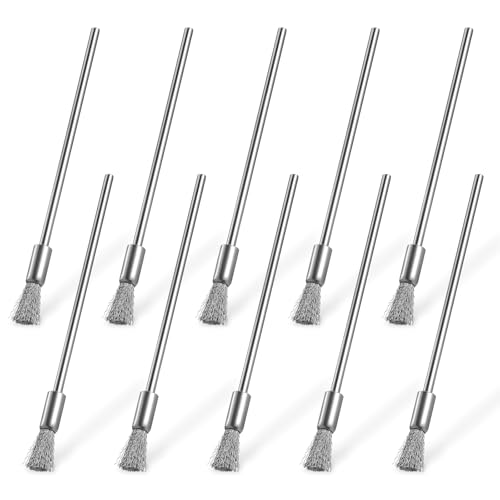
- Stainless steel jewelry cleaning brush earrings
- Jewelry cleaning kit for earrings ultrasonic brush cloth
- Microfiber jewelry cleaning cloth for earrings
- Isopropyl alcohol wipes 70% for jewelry cleaning


Before You Start
Before cleaning, remove earrings from your ears and inspect for loose parts or damaged clasps. Check stone settings for looseness. Do not use alcohol on pearls or porous stones like turquoise unless the manufacturer approves. Work in a well ventilated area and keep alcohol away from heat sources. Never mix alcohol with acetone or bleach as fumes can be dangerous. Allow the earrings to air dry completely after cleaning to prevent water spots and residue.
Step-By-Step: How To Clean Earrings With Alcohol
- Remove any jewelry from ears and lay them on a clean, soft surface.
- For light cleaning, wipe the metal surfaces with a 70% isopropyl alcohol wipe or a microfiber cloth lightly dampened with alcohol.
- For deeper grime, place the earrings in a small container with a brief soak in diluted alcohol solution if the materials permit. Do not soak earrings with glued or delicate components unless advised by the maker.
- Gently scrub crevices with a stainless steel jewelry cleaning brush earrings to lift grime from between settings.
- Rinse sparingly with clean water if the design allows and blot dry with a microfiber cloth.
- For ongoing sanitization, wipe all surfaces with alcohol after drying to reduce germs and oils.
- Dry thoroughly with a clean cloth to prevent water marks and corrosion on metal parts.
- Inspect for any loose stones or damaged clasps. If any issue is found, stop and consult a professional jeweler.
- Store in a clean, dry place or in a dedicated jewelry cleaning kit to prevent tarnish.
- Repeat cleaning on a regular schedule depending on wear and exposure to cosmetics and sweat.
- Document any signs of wear such as discoloration or weakened findings and address them promptly.
- Notes: Alcohol is useful for sanitizing surfaces but avoid prolonged exposure on sensitive stones or finishes.
Troubleshooting
| Symptom | Likely Cause | Fix | Prevention |
|---|---|---|---|
| Stones look dull after cleaning | Residue or improper rinsing | Rinse lightly and dry with microfiber cloth | Rinse with minimal water per item instructions |
| Metal tarnishes quickly | Exposure to moisture or incompatible cleaners | Use dry cloth and reapply a light alcohol wipe | Store in dry environment |
| Loose stones after cleaning | Setting looseness | Do not force cleaning; have a jeweler check | Regular professional inspections |
| Color change on jewelry | Sensitive finishes or stones | Limit alcohol exposure and avoid soaking | Follow manufacturer guidance |
Common Mistakes
- Over soaking earrings with glue components
- Using alcohol on pearls or porous stones without confirmation
- Rubbing too hard with a stiff brush on soft finishes
- Skipping thorough drying after cleaning
These missteps can cause damage or reduce longevity. Always verify material compatibility before aggressive cleaning.
Tips For Best Results
- Use a dedicated microfiber cloth for polishing to avoid scratching delicate surfaces.
- Test alcohol on a small inconspicuous area first to ensure no adverse effects.
- Pair alcohol cleaning with a brief ultrasonic cycle when items are labeled safe for ultrasonic use.
- Keep a regular cleaning schedule to maintain luster and reduce residue buildup.
- Store cleaned earrings in a dry, dust-free container or bag to prevent tarnish.
Call A Professional
Seek professional help if you notice:
- Visible cracks or loose settings that appear unstable
- Discoloration or finish damage beyond surface grime
- Pitted metal or stones that do not regain shine after cleaning
- Uncertain stones or clusters with unknown materials
Professional jewelers can safely re-secure stones, replate finishes, or advise on appropriate cleaners for specific metals and gems.
FAQ
Is isopropyl alcohol safe for all earrings
Isopropyl alcohol is generally safe for metal surfaces and many gems but not recommended for pearls or porous stones unless specified by the maker.
Can I use alcohol on earrings with adhesive backs
Yes for surface cleaning, but avoid soaking if glue is present and ensure the adhesive is water resistant.
How often should I clean earrings with alcohol
Clean after heavy wear or exposure to cosmetics, sweat, or oils. Light weekly maintenance can be effective for daily wear.
What if alcohol damages my earrings
Stop cleaning, rinse if needed, and consult a jeweler for evaluation and restoration options.
Buying Guide
The buying guide covers factors to consider when selecting cleaning tools and products for earrings. Key questions help users decide what fits best for their earrings and lifestyle.
Size and compatibility
Choose an ultrasonic cleaner that fits the size of your jewelry collection and supports the materials you own. Compact models work well for at home use with small earrings.
Noise level and ease of use
Look for models with quiet operation and simple controls. A user friendly interface reduces the chance of accidental over processing delicate pieces.
Energy efficiency
Energy efficient units save electricity during frequent cleanings. Check energy star ratings where available.
Controls and settings
Prefer cleaners with adjustable tempo, temperature, and cycle options. For beginners, a preset gentle cycle is useful for most earrings.
Placement and storage
Place the cleaner on a stable surface away from children. A dedicated cleaning area with a tray helps contain splashes and keeps items organized.