Melting plastic inside an oven can create stubborn residue and lingering fumes. This guide walks American homeowners through safe, effective steps to remove melted plastic without damaging oven surfaces, while using common tools and products.
Quick Answer
Turn off and cool the oven completely, remove loose debris, and gently soften melted plastic with heat-safe methods before scraping with a suitable tool. Use a scraper or spatula designed for oven cleaning, wear heat‑resistant gloves, and clean with a non‑abrasive scrub brush to avoid surface damage.
What You’ll Need
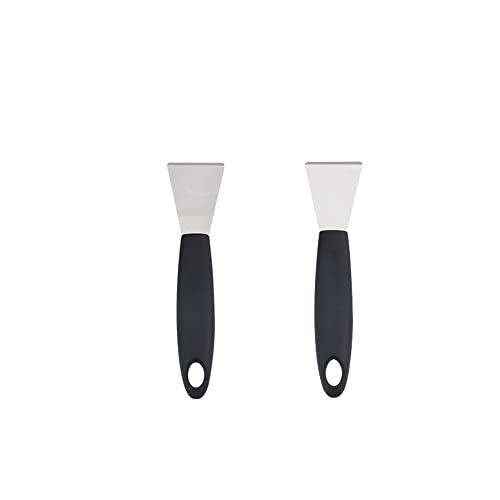
- Stainless steel putty knife for oven cleaning
- Heat resistant silicone spatula oven safe
- Oven cleaning scraper tool stainless steel
- Heat resistant cleaning gloves for oven
- Nylon scrub brush for oven cleaning


Before You Start
Safety comes first. Disconnect power to the oven or switch off the circuit if it’s a powered model, and ensure the appliance is completely cool before handling. If you notice melted plastic near gas components or any wiring, stop and call a professional. Work in a well‑ventilated area to minimize fumes. Clear the surrounding counter space and lay down protective paper or a towel. Plan for a 30–60 minute session depending on the extent of the melt and residue.
Caution: Do not attempt to scrape when the surface is hot or warm, as this can smear plastic further and risk burns or damage. Avoid highly abrasive materials that can scratch enamel or stainless steel. If odor persists after cleaning, ventilate the kitchen and consider repeating the process or seeking professional help.
Step-By-Step: How To Clean Melted Plastic From An Oven
- Power down the oven and open doors to allow cooling. When completely cold, remove oven racks to access stained surfaces.
- Place a protective layer on the floor or bottom of the oven cavity to catch debris during scraping.
- Use a stainless steel putty knife for oven cleaning to gently lift and detach the softened plastic, working from the edges inward.
- For stubborn spots, soften plastic with a safe heat source such as a warm, not hot, damp cloth held near the surface for a few minutes, then re‑scrape with the tool.
- Switch to a heat resistant silicone spatula oven safe for delicate areas to avoid scratching enamel or glass components.
- Wipe away loosened residue with a damp cloth, then re‑scrub with a nylon scrub brush for oven cleaning to reach crevices without damaging surfaces.
- Inspect the interior for any remaining streaks; repeat the process on small sections as needed.
- Replace racks and wipe down interior with a non‑abrasive cleaner. If using an oven liner, remove and wash according to manufacturer instructions.
- Run a short, empty bake cycle at a low temperature to dry the interior and vent residual odors, then turn off and cool before use.
- Dispose of debris and wash your tools promptly to prevent plastic transfer to future cleaning sessions.
- Document any recurring issues. If melted plastic recurs, consider a protective liner or area isolation to prevent future mishaps.
- Test the oven with a simple bake to ensure even heating and no lingering plastic odor.
Troubleshooting
| Symptom | Likely Cause | Fix | Prevention |
|---|---|---|---|
| Odor persists after cleaning | Residual plastic fumes | Ventilate, run a short bake cycle with doors ajar, repeat cleaning | Avoid placing plastics near heating elements |
| Scratches appear on enamel | Using a metal scraper aggressively | Use silicone spatula or lighter contact with putty knife | Scrape gently, work in small areas |
| Plastic reappears in oven | Deeply embedded residue | Repeat cleaning cycle, consider professional interior cleaning | Cover areas with liners to reduce future incidents |
| Racks warped | Overheating during cleanup | Cool gradually, avoid applying heat directly to racks | Keep temperature low during any cleanup process |
Common Mistakes To Avoid
- Using harsh abrasives that scratch enamel or glass surfaces
- Scraping while surfaces are hot, which can smear plastic
- Rushing the process; melted plastic can smear if not properly softened
- Neglecting ventilation, which can cause strong fumes
Tips For Best Results
- Work in small sections to prevent spreading residue into clean areas
- Keep a damp microfiber cloth handy to wipe away loosened plastic continuously
- Choose tools that are clearly labeled as oven safe or heat resistant
- Always check manufacturer guidelines for your oven model before using cleaners
- If plastic is near seals or gaskets, handle with extra care to avoid damage
Call A Professional
Stop and seek professional help if there is visible damage to heating elements, electrical components, or if you cannot remove melted plastic safely. Do not operate the oven if internal components show signs of heat damage or melting plastic near wiring. In these cases, a certified technician can assess and repair while ensuring safety compliance.
FAQ
Can I use chemical cleaners to dissolve melted plastic?
Most chemical cleaners are not recommended for direct use on oven interiors. Stick to non‑abrasive, mild cleaners and mechanical removal methods described here unless the manufacturer approves a cleaner.
What if the plastic is melted onto the glass door?
Cool the door and use a plastic scraper to lift residue from the exterior surface first, then follow interior cleaning steps if needed. Do not use metal tools on glass.
Is it safe to run an empty bake cycle after cleaning?
Yes, a short, low‑temperature bake helps dry the cavity and remove odors, provided the interior is clean and dry.
How do I prevent plastic from melting in the oven again?
Use heatproof containers, avoid placing plastics near heating elements, and consider a dedicated oven-safe tray or liner to catch drips.
What if I smell gas or notice an unusual leak?
Shut off power, do not operate the oven, ventilate the area, and contact your gas provider or a professional technician immediately.
Should I replace the oven gasket after plastic exposure?
If the gasket shows signs of damage or residue that cannot be cleaned, consult a technician about replacement options.
Buying Guide
When selecting tools for cleaning melted plastic from an oven, consider factors that affect effectiveness and safety. The right combination of tools helps you complete the job without damaging surfaces.
- Sturdiness and edge design: A stainless steel putty knife or scraper should have a comfortable grip and a blunt edge to minimize surface scratches.
- Heat resistance: Tools labeled as heat resistant ensure safe use on warm or recently cooled surfaces.
- Material compatibility: Silicone spatulas are gentle on enamel and glass, while nylon brushes offer safe scrubbing without scratching.
- Gloves and protection: Heat resistant gloves protect hands during scraping and cleaning, especially around hot surfaces or lingering steam.
- Ergonomics: Lightweight, well‑balanced tools reduce hand fatigue during extended cleanups.
- Storage and maintenance: Easy‑to‑clean tools with simple care routines extend their lifespan and keep them ready for future incidents.
In practice, maintain a small set of specialized tools for oven cleaning and avoid using household tools not rated for high heat or delicate surfaces. Consider keeping the tools together in a designated cleaning caddy for quick access whenever an incident occurs.