Laminate cabinets offer a durable, budget-friendly finish for kitchens and bathrooms, but they require careful cleaning to maintain their shine and avoid damage. This guide provides a practical, step-by-step approach using common household tools and targeted cleaning products designed for laminate surfaces.
Quick Answer
For a quick clean, wipe with a damp microfiber cloth, apply a laminate-safe cleaning spray or mild soap solution, then buff dry with a clean microfiber pad. Avoid abrasive scrubbers and high-pressure sprays that can dull the finish.
What You’ll Need
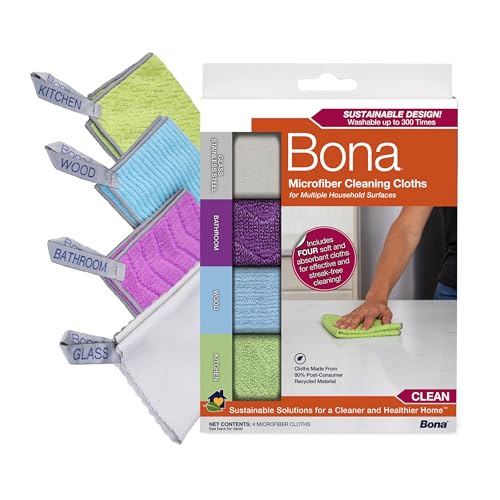
- microfiber cloths for laminate cabinet cleaning
- laminate cabinet cleaning spray bottle
- non-scratch scrub brush for cabinets laminate
- cabinet cleaning kit laminate cabinets microfiber pads
- melamine sponge laminate cabinet cleaning


Before You Start
Before cleaning, remove items from cabinet doors and shelves to access all surfaces. Test any cleaner in a small, inconspicuous area to ensure no staining or discoloration. Work in a well-ventilated area and use warm, not hot, water to avoid warping edges. Protect surrounding wood trim and countertops from moisture splash. Plan for about 15–30 minutes for a full kitchen cabinet cleaning, depending on cabinet size.
Step-By-Step: How To Clean Laminate Cabinets
- Dust the surfaces with a dry microfiber cloth to remove loose dirt and grit.
- Prepare a cleaning solution: mix a few drops of mild dish soap in warm water or use a laminate cabinet cleaning spray bottle according to the label.
- Wipe doors and drawer fronts with a damp microfiber cloth, following the grain and avoiding excess moisture at seams.
- For stubborn grime, use a non-scratch scrub brush for cabinets laminate gently to lift residue without scratching the surface.
- Rinse the cloth and wipe again to remove any soap film, then dry with a fresh microfiber pad from the cabinet cleaning kit laminate cabinets microfiber pads.
- Clean interior surfaces: shelves and interior edges with a light damp cloth, then dry promptly to prevent water marks.
- Address water rings or sticky spots with a damp melamine sponge, then buff dry for a streak-free finish.
- Inspect hardware and tighten loose hinges or pulls as needed after cleaning to maintain cabinet integrity.
- Finish with a quick buff using a dry microfiber cloth to restore shine and reduce future fingerprints.
- Store cleaning supplies out of reach of children and pets to prevent accidental spills or ingestion.
Troubleshooting
| Symptom | Likely Cause | Fix | Prevention |
|---|---|---|---|
| Streaky finish | Soap residue or improper drying | Wipe with a damp cloth, then dry completely | Use minimal cleaner and dry thoroughly |
| Water rings | Excess moisture on shelves | Wipe dry after cleaning | Use well-wrung cloths, avoid saturating edges |
| Scratches appear after cleaning | Rough scrub brush or abrasive cleaner | Switch to non-scratch tools and milder cleaners | Always test in hidden area first |
| Sticky residue | Leftover cleaner or soap film | Rinse surfaces with clean water and dry | Rinse thoroughly when using any cleaner |
Common Mistakes
- Using abrasive scrubbers or scouring pads on laminate surfaces
- Over-wetting cabinets, especially near seams and joints
- Skipping a final dry buff, resulting in water spots
- Mixing cleaners with ammonia or bleach, which can dull finish
Tips For Best Results
- Establish a routine clean: a quick weekly wipe plus a deeper monthly wipe-down keeps grime from building up.
- Always follow the grain when wiping to minimize streaks and enhance shine.
- Use a dedicated cleaning kit or microfiber pads to avoid cross-contamination with other surfaces.
- Store cleaning sprays in a cool, dry place and label containers for quick identification.
Call A Professional
Consider a professional if laminate surfaces show deep staining, warping, or peeling veneer, or if hardware requires drilling or structural repair. Seek help if there are extensive water damage signs, persistent mold, or if you notice bubbling laminate that indicates underlying moisture intrusion.
FAQ
What is the best cleaner for laminate cabinets?
A mild soap solution or a laminate cabinet cleaning spray bottle applied with a microfiber cloth works well for daily maintenance.
Can I use a melamine sponge on laminate cabinets?
Yes, a melamine sponge laminate cabinet cleaning can help lift tough spots, but test first in a hidden area to avoid dulling the finish.
How do I remove fingerprints from laminate cabinets?
Wipe with a damp microfiber cloth, then buff dry with a clean microfiber pad to minimize smudges.
Is it safe to use water on all laminate cabinets?
Yes, but avoid soaking and always dry promptly to prevent water damage at seams and edges.
Are there any cabinet cleaners I should avoid?
Avoid abrasive abrasives, ammonia-heavy cleaners, and bleach on most laminates as they can dull or discolor the surface.
How often should I deep clean laminate cabinets?
Every 1–3 months, depending on usage and kitchen or bathroom conditions.
Buying Guide
Key factors when selecting products and planning a laminate cabinet cleaning routine include size of the cabinet area, noise level of any cleaning devices, energy efficiency of powered tools, control options for spray bottles or kits, and placement considerations in small or high-traffic spaces. For most homes, a compact kit with microfiber pads, a gentle cleaner, and a non-scratch brush provides effective, safe results. When comparing products, look for laminate-safe formulations, durable microfiber materials, and easily replaceable pads or brushes to extend overall usability and value. Would you prefer a single all-in-one kit or separate components you can mix and match for future projects?