Deep cleaning wood requires a careful approach to preserve finish and avoid damage. This guide provides practical, step-by-step methods using common tools and safe cleaners to restore shine and remove grime from wood floors and wooden surfaces in American homes.
Quick Answer
For routine deep cleaning of wood floors, start with a stiff bristle wood floor scrub brush to loosen dirt, then mop with a wood floor cleaner spray non-toxic. If the floor is sealed, a steam cleaner for sealed wood floors can finish the job in small, controlled passes. Always dry promptly and avoid excessive moisture on wood.
What You’ll Need
- Stiff bristle wood floor scrub brush
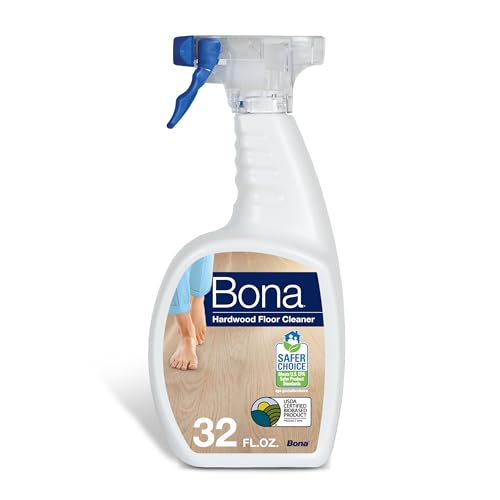
- Wood floor cleaner spray non-toxic
- Microfiber mop for wood floors
- Wood furniture cleaning kit with sponge and cloth
- Steam cleaner for sealed wood floors


Before You Start
Assess the wood finish and manufacturer recommendations. Test any cleaner in an inconspicuous area first. Work in a well-ventilated space and remove loose debris with a soft brush or vacuum designed for hard floors. Protect nearby furniture and rugs to prevent moisture exposure. Time estimates vary by room size, but plan for 1–2 hours including drying time. Avoid soaking wood floors and never use harsh solvents that can strip finish.
Step-By-Step: How To Deep Clean Wood Floors And Surfaces
- Clear the area and vacuum or sweep to remove loose dirt and grit.
- Use the stiff bristle wood floor scrub brush to gently loosen embedded grime along seams and grout lines, if applicable.
- Lightly dampen the microfiber mop with non-toxic wood floor cleaner spray and apply a thin, even layer across the floor.
- Work in small sections, following the grain to lift dirt without dulling the finish.
- Rinse or wipe the mop frequently to avoid re-depositing dirt; switch to a clean microfiber cloth as needed.
- For heavily soiled areas, apply a bit more cleaner and scrub with the brush, then wipe clean with a dry microfiber cloth.
- If using a steam cleaner for sealed wood floors, follow the manufacturer’s instructions and use the lowest effective setting to avoid moisture buildup.
- Dry the floor thoroughly with a clean, dry microfiber pad or towel to prevent standing water.
- Reinspect edges and corners; repeat cleaning if any dull spots or residues remain.
- Place mats at entrances and consider a periodic refresh with a light wax or polish if recommended by the finish manufacturer.
- Seal any exposed seams promptly after cleaning to protect against moisture intrusion.
Troubleshooting
| Symptom | Likely Cause | Fix | Prevention |
|---|---|---|---|
| Sticky residue after cleaning | Too much cleaner or residue buildup | Wipe with a clean, damp microfiber cloth; re-clean area | Use the recommended amount of cleaner |
| Discoloration or dull spots | Harsh cleaner or excess moisture | Dry thoroughly and use a pH-neutral cleaner | Ventilate and avoid excess water |
| Water spots on wood | Water sitting on surface | Dry immediately; wipe with dry cloth | Use light mists, not soaking sprays |
| Finishing damage after cleaning | Using incompatible products | Stop using product; consult manufacturer guidelines | Test cleaners before full use |
Common Mistakes
- Over-wetting wood floors or surfaces
- Using abrasive tools that scratch the finish
- Applying cleaners not labeled for wood
- Skipping a test patch before full-room cleaning
Prevent these issues by following label instructions, using non-toxic cleaners, and drying thoroughly after cleaning sessions.
Tips For Best Results
- Schedule regular light cleanings to reduce deep scrubbing needs.
- Use microfiber tools designed for wood floors to minimize scratches.
- Keep humidity levels stable to prevent warping; use a dehumidifier in humid climates.
- Rotate furniture and place protective pads under legs to minimize wear.
- Store cleaners in a cool, dry place out of reach of children and pets.
Call A Professional
Contact a professional when there are signs of finish damage, warping, severe staining, or persistent lifting of wood veneers. Seek immediate assistance if moisture creates bubbling or dark staining that persists after cleaning. For delicate, antique, or unfinished wood, professional care ensures proper restoration and protection.
FAQ
Can I deep clean wood floors without a cleanser?
Yes, mild soap and warm water can work in a pinch, but use sparingly and ensure thorough drying to avoid moisture damage.
Is steam cleaning safe on all wood floors?
Steam cleaning is generally suitable for sealed wood floors if used on low settings and with manufacturer approval.
How often should I deep clean wood floors?
Deep cleaning every 6–12 months is common, with light cleanings weekly or biweekly depending on traffic.
What should I do about pet stains on wood?
Blot, clean with a wood-safe cleaner, and dry promptly; for persistent stains, consult a professional.
What finishes tolerate water-based cleaners?
Most polyurethane and UV-cured finishes tolerate light water-based cleaners; always test first.
Should I wax wood floors after cleaning?
Only if the finish manufacturer recommends it; otherwise, waxing can build up and dull the surface.
What about unfinished wood surfaces?
Unfinished wood requires specialty sealing and careful moisture control; avoid soaking and use a breathable sealant after cleaning.
Buying Guide
When choosing products for deep cleaning wood floors and surfaces, consider size and coverage, noise level if using powered tools, energy efficiency, control options, and placement within the home. For tools, select a stiff bristle wood floor brush for deep scrubbing, a non-toxic wood floor cleaner spray for safe use, and a microfiber mop to lift grime without scratches. For sealed wood floors, a steam cleaner can be beneficial if the manufacturer permits it, but always follow safety guidelines. Evaluate how often you clean, your home’s humidity, and whether you prefer low-maintenance routines or thorough periodic cleaning. Compare products for compatibility with your floor type, ease of use, and storage requirements to ensure a practical, long-term cleaning plan. Consider kits that include sponges and cloths for convenience, as they streamline the cleaning process and help protect wood finishes.