Bar mats are essential for maintaining a clean, professional workspace in any beverage service area. Regular cleaning prevents cross-contamination, reduces odors, and extends the life of mats. This guide provides practical steps, tool recommendations, and common troubleshooting tips to keep bar mats in top condition.
The following sections break down the process into actionable stages, from gathering the right tools to drying and storing mats properly. Readers will find concise instructions that fit busy bar environments while ensuring thorough cleanliness and hygiene.
Quick Answer
Best quick method: rinse mats with warm water, scrub with a stiff-bristled bar mat brush or nylon-bristle scrubber, rinse again, wipe dry with a microfiber towel, and air-dry on a bar mat drying rack.
What You’ll Need
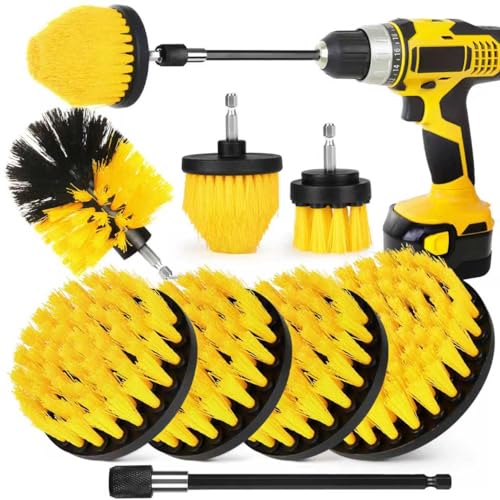
- bar mat cleaning brush stiff bristles
- bar mat scrubber nylon bristles
- bar mat sponge dual sided scrubber
- microfiber drying towel for bar mats
- bar mat drying rack and mat stand


Before You Start
Prepare a clean workspace and gather all tools. Clear the bar area and designate a rinsing station. Use hot water (not boiling) and a mild, unscented detergent to avoid leaving residues. Safety note: wear gloves if you have sensitive skin and ensure drainage is appropriate to prevent slips.
Estimate 15–30 minutes for a standard cleaning session, depending on the number of mats and level of grime. Heavier buildup, such as after a busy service, may require extra brushing and a longer drying period.
Step-By-Step: How To Clean Bar Mats
- Remove any debris, liquids, and residual garnish from the mat surface using a flat tool or gloved hand.
- Rinse the mat under warm running water to loosen stuck particles and pre-wet the surface.
- Apply a small amount of mild detergent and scrub with a bar mat cleaning brush stiff bristles or bar mat scrubber nylon bristles, focusing on edges and corners.
- For tough stains, use the bar mat sponge dual sided scrubber to alternate between a rough and soft side.
- Rinse thoroughly to remove all soap residues, ensuring no suds remain.
- Dry the mat briefly with a microfiber drying towel for bar mats to remove surface water.
- Place the mat on a bar mat drying rack and mat stand to air-dry completely, ideally in a well-ventilated area.
- Repeat the process for all mats, then inspect for any remaining grime before reuse.
- If mats are excessively worn, consider replacing worn edges or damaged material to maintain hygiene standards.
- Establish a regular cleaning schedule to prevent buildup between shifts and after each busy service.
- Store cleaned mats flat or on the drying rack until completely dry to avoid mold or odors.
- Document any issues (odors, persistent stains) and adjust cleaning frequency or detergent strength as needed.
Troubleshooting
| Symptom | Likely Cause | Fix | Prevention |
|---|---|---|---|
| Persistent odor after cleaning | Residual moisture or detergent buildup | Rinse thoroughly; use less detergent; dry completely | Dry mats promptly; ensure air circulation |
| Stubborn stains on edges | Sticky residues from drinks | Pre-soak or apply a gentle elbow grease with a sponge | Pre-scrub after each shift |
| Mat fibers fraying | Aging material or harsh scrubbing | Switch to a softer scrubber; replace worn mats | Avoid metal scrubbers; use gentle tools |
| Mats remain damp after drying | Insufficient airflow or crowded drying space | Increase ventilation; space mats apart on rack | Rotate mats to ensure even drying |
Common Mistakes
- Using hot water that is too hot and damages mat materials
- Leaving detergent residues by skipping a thorough rinse
- Overloading the scrubber with scrub pads, causing uneven cleaning
- Stacking mats while wet, which traps moisture and promotes mold
Attention to detail in these areas helps extend mat life and maintains sanitary standards.
Tips For Best Results
- Pre-warm the detergent to boost grease-cutting action, then rinse thoroughly.
- Alternate scrubbing tools: use brushes for heavy grime and sponges for delicate finishes.
- Use a dedicated drying rack of appropriate height to improve airflow and speed up drying.
- Schedule routine maintenance checks to replace worn mats before performance declines.
- Label mats by area or shift to track cleaning frequency and hygiene status.
Call A Professional
In cases of persistent odors, persistent staining that won’t lift, or if mats show signs of cracking or mold growth, contact a professional hospitality equipment cleaner. Do not attempt aggressive chemical treatments on damaged mats, as this can compromise hygiene and safety.
FAQ
How often should bar mats be cleaned?
Ideally after each service or at the end of a shift, with a deeper clean weekly for high-traffic bars.
What cleaning products are safe for bar mats?
Use mild, unscented detergents and avoid bleach on colored mats to prevent fading.
Can I machine-wash bar mats?
Only if the mats are rated for machine washing per manufacturer guidelines; otherwise hand-cleaning is recommended.
How should bar mats be stored when not in use?
Store on a rack or stand in a well-ventilated area, fully dry to prevent mildew.
Buying Guide
Choosing the right cleaning setup for bar mats involves several factors. Size matters: mats should fit bar surfaces without overlapping onto spill-prone edges. Noise level is rarely a concern for cleaning tools, but durable brushes and scrubbers reduce the need for frequent replacement. Energy efficiency isn’t a major factor for manual cleaning tools, yet select lightweight racks that are easy to reposition. Controls are simple—manual operation with basic brushes and sponges. Placement should promote air flow: a dedicated drying rack or mat stand kept away from direct heat sources speeds up drying and maintains mat integrity. When evaluating options, consider durability, ease of cleaning, and the ability to sanitize effectively between shifts.