Dust accumulation is a common challenge in urban living spaces. This guide provides practical, science-backed steps to reduce dust in an apartment, improve indoor air quality, and maintain a cleaner living environment without heavy effort. The approach blends daily habits with targeted tools to maximize results in American homes.
Quick Answer
Best initial moves: start with regular vacuuming using a HEPA vacuum cleaner for dust removal apartment, wipe surfaces with microfiber, and run a compact air purifier for apartment with HEPA filter to capture airborne particles. Add a extendable microfiber duster with bendable neck for hard-to-reach spots and a electrostatic dust mop with washable microfiber pad for quick, daily cleanups.
What You’ll Need
The following tools align with the listed product keywords and help address different dust sources across rooms.
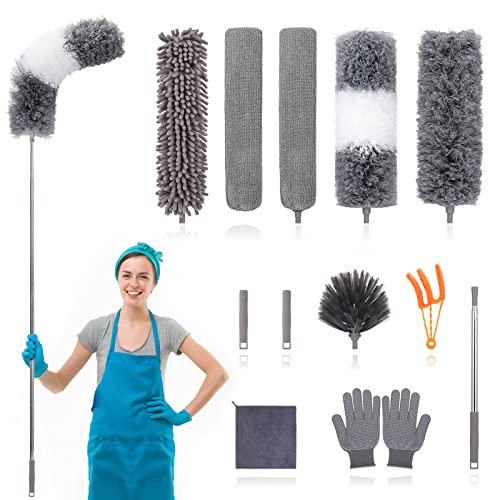
- Extendable microfiber duster with bendable neck
- HEPA vacuum cleaner for dust removal apartment
- Electrostatic dust mop with washable microfiber pad
- Compact air purifier for apartment with HEPA filter
- Microfiber dusting cloths set for furniture and electronics


Before You Start
Before tackling dust, clear the workspace and protect sensitive items. Close doors to other rooms to minimize cross-dusting and set aside a cleaning window of 30–60 minutes. Wear a mask if you have allergies or asthma, especially during dust-intensive tasks. Prepare a schedule that fits your routine to avoid letting dust build up. If surfaces are heavily soiled with grime or mold, address those issues separately and consider professional help for remediation.
Step-By-Step: How To Get Rid Of Dust In An Apartment
- Declutter surfaces and remove visible dust with a microfiber cloth to reduce abrasion and particle spread.
- Vacuum floors and upholstery with a HEPA vacuum cleaner for dust removal apartment, focusing on corners, under furniture, and stairs.
- Dust hard surfaces using microfiber dusting cloths set for furniture and electronics, moving from high to low to prevent resettling.
- Use an extendable microfiber duster with bendable neck to reach ceiling corners, vents, light fixtures, and ceiling fans.
- Wipe electronics and screens with a soft microfiber cloth, avoiding moisture that can damage devices.
- Run a compact air purifier for apartment with HEPA filter in the living area to capture airborne dust and allergens.
- After cleaning, mop hard floors with a damp microfiber mop or dry microfiber pad to prevent residue.
- Do a quick post-clean sweep with the vacuum to catch any particles dislodged during mopping.
- Establish a routine: 2–3 short cleans weekly and a deeper monthly clean for built-up dust.
- Wash microfiber cloths and pads regularly to maintain effectiveness and prevent re-dusting.
- Seal cracks and inspect air vents for dust entry; replace or clean furnace and AC filters on schedule.
- Keep doors closed to reduce outdoor dust intrusion and use a door draft stopper where appropriate.
Troubleshooting
| Symptom | Likely Cause | Fix | Prevention |
|---|---|---|---|
| Dust returns quickly after cleaning | Poor filtration or airflow | Run a HEPA air purifier; check/replace AC filter | Maintain routine cleaning and filter changes |
| Dust on furniture after wiping | Residual moisture or re-distribution | Ensure cloths are nearly dry; wipe in one direction | Use fresh microfiber cloths for each area |
| Visible dust on electronics | Static attraction or improper wipe | Use electrostatic or microfiber cloths; power down devices | Clean electronics weekly |
| Allergy symptoms persist | Airborne particles not captured | Increase purifier runtime; add higher-efficiency filtration | Minimize fabric accumulators like heavy textiles near vents |
Common Mistakes
- Dry-dusting when humidity is low, which lifts and suspends dust particles into the air.
- Using dirty cloths on multiple surfaces, spreading grime instead of capturing it.
- Over-wetting microfiber pads or mops, which can damage electronics and create streaks.
- Relying on a single tool; dust is multi-sourced (surfaces, fabrics, air).
Tips For Best Results
Consistency matters more than intensity. Run the HEPA vacuum cleaner for dust removal apartment on high-traffic days and maintain a weekly schedule. For quick touch-ups, the electrostatic dust mop with washable microfiber pad is ideal. Place the compact air purifier for apartment with HEPA filter in rooms where you spend the most time, such as the living room and bedroom. Regularly launder microfiber cloths to maintain their electrostatic properties and cleaning efficiency.
Call A Professional
Consider professional help if dust is persistent despite cleaning, or if there are signs of water damage, mold, or pest activity. Stop signs include chronic coughing or wheezing, persistent odors, or visible mold growth. A licensed HVAC or vector control professional can assess airflow, filtration, and potential structural contributors to dust buildup.
FAQ
How often should I vacuum with a HEPA cleaner in an apartment?
Aim for at least twice weekly in high-traffic areas and weekly in bedrooms or rooms with heavy fabrics.
Are microfiber cloths better than regular towels?
Yes, microfiber traps dust more effectively and can be reused after washing, reducing waste.
Can I use water with microfiber cloths?
Lightly dampen cloths for sticky dust, but avoid soaking surfaces or electronics.
Do air purifiers remove all dust?
Air purifiers reduce airborne particles but should be used in combination with regular cleaning for best results.
Should I dust before or after vacuuming?
Dust before vacuuming to prevent particles from resettling during cleaning.
How can I minimize dust from outside?
Keep doors closed, use door sweeps, and clean entry mats to trap outdoor dust before it enters.
What maintenance do microfiber pads require?
Wash pads separately from other fabrics; air dry or tumble on low heat to maintain softness and effectiveness.
Buying Guide
When choosing tools to reduce dust in an apartment, consider size, noise, energy use, and placement. For example, a compact air purifier with HEPA filtration is ideal for apartments with limited space but should be placed away from walls to optimize airflow. A handheld or extendable duster aids reach without occupying floor space, while a lightweight HEPA vacuum is essential for quick cleanups without heavy lifting. A microfiber dusting cloths set offers versatile cleaning across furniture and electronics. Finally, an electrostatic dust mop provides fast daily de-dusting on hard floors. Balance these factors with your routine, room layout, and allergy concerns to build a practical, effective system.