Kitchen cabinets above the stove often collect a stubborn film of cooking grease. This guide walks through practical, safe methods to remove grime, restore cabinet finishes, and keep kitchen surfaces looking fresh. The approach blends common household cleaners with targeted tools to deliver effective results without damaging cabinet surfaces.
Quick Answer
Best starting point: use a citrus degreaser or grease remover spray, apply with a microfiber cloth, and scrub with a stiff nylon brush for tough spots. Finish with a damp microfiber wipe and dry completely to prevent water damage.
What You’ll Need
- grease remover spray for kitchen cabinets
- citrus degreaser spray for cabinets
- stiff nylon scrub brush for kitchen grease
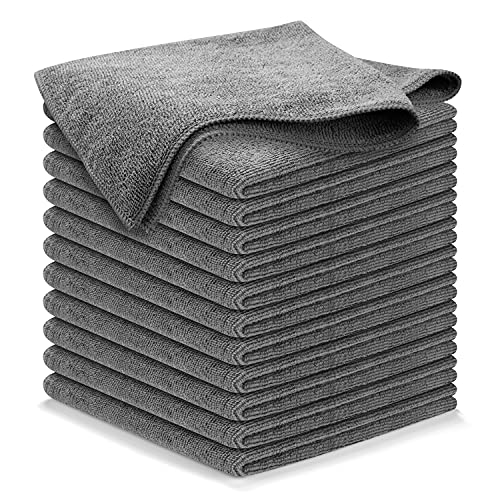
- microfiber cleaning cloths kitchen cabinets
- handheld steam cleaner for grease on cabinets


Before You Start
Clear the area and remove items from the top of the cabinets. Protect nearby surfaces with a drop cloth or old towels. Test cleaners on a small, inconspicuous area to ensure no discoloration or finish damage. For gas ranges, ensure burners are cool and turn off the power to any nearby outlets. Plan for a 20–40 minute cleaning session depending on grease buildup.
Step-By-Step: How To Clean Grease From Cabinets Above The Stove
- Remove any loose dust first with a dry microfiber cloth to prevent mudding the grease.
- Apply grease remover spray for kitchen cabinets or citrus degreaser spray for cabinets to a microfiber cloth and wipe in the direction of the wood grain.
- Let the cleaner sit for 1–2 minutes to break down oily residues.
- Gently scrub stubborn spots with a stiff nylon scrub brush for kitchen grease, focusing on edges and seams where grime accumulates.
- Wipe away loosened grease with a clean microfiber cloth. Rinse cloths frequently to avoid re-depositing grime.
- For stubborn buildup, use a handheld steam cleaner for grease on cabinets at low to medium steam settings, maintaining a safe distance to prevent water intrusion.
- Finish with a damp microfiber cloth to remove any residue, then dry surfaces completely with a dry cloth.
- Inspect for missed areas; repeat steps on areas with visible grease until clean.
- Seal the routine with a light, cabinet-safe polish if the finish is matte or coated to restore shine.
- Return items to their places only after surfaces are fully dry to prevent moisture damage.
- Document a quick maintenance plan: wipe weekly with a microfiber cloth and a mild cleaner to prevent heavy buildup.
Troubleshooting
| Symptom | Likely Cause | Fix | Prevention |
|---|---|---|---|
| Grease returns quickly after cleaning | Regular cooking splatters forming film | Wipe with a damp cloth after cooking and reapply degreaser on a schedule | Use splatter guards; keep hood vent clean |
| Discoloration after cleaner | Finish sensitive to cleaner | Test cleaner first; switch to milder formula or soap and water | Use a non-abrasive cloth; avoid harsh solvents on painted finishes |
| Water spots or streaks | Insufficient drying | Dry with a clean microfiber cloth immediately | Wipe in a consistent direction; maintain dry surfaces |
| Finish dulls or scratches | Abrasive brushing | Switch to gentle scouring or only wipe without heavy scrubbing | Use proper brushes and non-scratch cloths |
Common Mistakes
- Using harsh solvents on unfinished or delicate cabinet finishes
- Over-wetting wood; leaving moisture can warp particleboard or veneer
- Skipping a test patch before full-area application
- Relying solely on water; grease requires a degreasing agent
- Forgetting to dry surfaces completely after cleaning
Tips For Best Results
- Choose a citrus degreaser spray for cabinets for a pleasant scent and effective grime breakdown.
- Use a microfiber cleaning cloths kitchen cabinets for lint-free wipe-downs that trap grease rather than smear it.
- Work in small, overlapping sections to prevent missed spots and ensure even cleaning.
- For frequent cooking, consider a routine cleaning every 1–2 weeks to prevent heavy buildup.
- If using a steam cleaner, keep the nozzle moving and avoid prolonged contact with seams and edges to prevent moisture intrusion.
Call A Professional
Consult a pro if cabinets show bubbling, warping, lifted veneer, or persistent staining despite multiple cleanings. Seek a specialist if the finish is antique, highly glossy, or if there is lingering odor or moisture damage behind cabinet panels. Complex repairs or refinishing may require professional equipment and expertise.
FAQ
Can I clean grease off painted cabinets with warm water?
Warm water helps, but a dedicated degreaser improves grease removal and reduces cleaning time.
Is steam cleaning safe for all cabinet finishes?
Steam is generally safe on sealed surfaces but test first on a small area and avoid exposed wood edges.
How often should I clean above the stove?
Weekly lightweight wipes prevent heavy buildup; a deeper clean every 1–2 months is typical for most kitchens.
What should I do if the finish gets dull after cleaning?
Try a cabinet-safe polish or reseal the area; avoid abrasive tools that scratch the surface.
Buying Guide
When choosing products to maintain cabinets above the stove, consider size, effectiveness, and compatibility with cabinet finishes. Focus on grease remover spray for kitchen cabinets and citrus degreaser spray for cabinets that are formulated for wood or composite surfaces. A stiff nylon scrub brush for kitchen grease helps with textured doors, while microfiber cleaning cloths kitchen cabinets ensure gentle, lint-free results. For persistent grease, a handheld steam cleaner for grease on cabinets offers additional power, but use it with care on delicate finishes. Also assess accessibility of storage areas, noise considerations for steam devices, and the ease of replacing or refinishing panels if needed.