Poop stains on underwear are a common laundry challenge. With the right approach, these stains can be removed effectively without damaging delicate fabrics. This guide outlines practical steps, safe products, and smart routines to restore underwear to clean, fresh condition.
Quick Answer
Treat poop stains promptly with a stain remover or enzymatic cleaner designed for underwear, then wash in warm water with a gentle detergent. For stubborn spots, use an oxygen bleach powder and repeat as needed. Always air-dry fabric-safe products to protect fibers.
What You’ll Need
- Enzyme laundry stain remover for underwear fabric
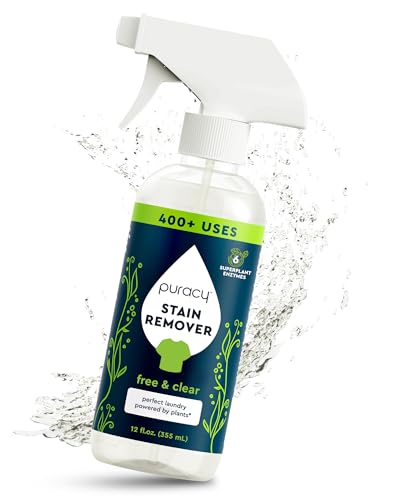
- Pre-wash stain spray for poop stains on underwear
- Stain remover stick for underwear poop stains
- Oxygen bleach powder for underwear stain removal
- Fabric-safe odor and stain remover for underwear


Before You Start
Check care labels on underwear to confirm fabric type and washing temperature. Pre-treat stains as soon as possible for best results. Test any cleaner on a hidden area to ensure colorfastness. Safety note: avoid mixing cleaners with ammonia or chlorine bleach. Time estimate: 15–60 minutes for pre-treating, plus standard washing time. Crucial cautions: treat stains before laundering, use enzymes for protein-based stains, and avoid high heat which can set stains.
Step-By-Step: How To Remove Poop Stains From Underwear
- Rinse the item under cool water to loosen solids and reduce stain transfer.
- Apply an enzyme laundry stain remover for underwear fabric directly to the stain and let sit 5–10 minutes.
- Spray the pre-wash stain spray for poop stains on underwear and gently rub with a soft brush or fingers to lift the stain.
- For particularly stubborn areas, use a stain remover stick for underwear poop stains, applying with light pressure and working from the outside in.
- Wash the underwear in an appropriate cycle with a mild detergent. If the fabric allows, use warm water to improve enzyme effectiveness.
- For persistent ringed stains, make a paste with oxygen bleach powder and a small amount of water, apply sparingly, and rinse thoroughly before rewashing.
- Air-dry the item or tumble dry on a low setting if care labels permit; heat can set remaining stains.
- Inspect after drying; repeat steps if any discoloration remains, especially on cotton blends or breathable fabrics.
Troubleshooting
| Symptom | Likely Cause | Fix | Prevention |
|---|---|---|---|
| Stain remains after first wash | Protein-based stain not fully treated | Repeat enzyme treatment and wash again | Pre-treat promptly with enzyme cleaner |
| Fading color or fabric damage | Harsh bleach or high heat | Switch to fabric-safe products and air dry | Always check care label; use mild cycles |
| Odor persists | Residual stain or bacteria | Extra rinse cycle or odor remover designed for underwear | Regular pre-wash spray for odor control |
| Stains set after drying | Heat set on fabric | Rewash with enzyme cleaner and avoid high heat | Air-dry whenever possible |
Common Mistakes
- Delaying treatment, which allows stains to set
- Using hot water on protein-based stains like fecal matter
- Mixing cleaning products that react poorly together
- Over-applying bleach on colored fabrics
Choosing the right product mix helps prevent repeat problems. For many fabrics, enzymatic cleaners paired with a gentle wash provide the most reliable results.
Tips For Best Results
- Pre-treat as soon as possible for the highest success rate.
- Test cleaners on a small inconspicuous area before full application.
- Use enzyme-based cleaners for protein-based stains; avoid chlorine bleach on colored underwear.
- Avoid hot water unless the care label allows it and the stain is already removed.
- Consider an extra rinse cycle to remove residual cleaners that may irritate skin.
Call A Professional
In most cases, home methods suffice. Seek professional cleaning if underwear is made from delicate fabrics with sensitive dyes or if stains are extremely persistent after multiple attempts. Immediate professional help is advised when the fabric shows signs of wear, color bleeding, or if there is a risk of skin irritation due to lingering residues.
FAQ
Is enzyme detergent effective on all underwear fabrics?
Enzyme cleaners work well on many fabrics, especially cotton and blends, but always check care labels first.
Can oxygen bleach damage colored underwear?
Yes, it can fade colors if used improperly. Use according to package directions and test on a hidden area.
What temperature should I wash underwear at for stain removal?
Use warm water if the fabric permits; avoid hot water that can set proteins in stains.
How many times should I repeat the treatment?
If a stain persists after a standard wash, repeat the pre-treat and wash cycle once or twice before moving to stronger methods.
Are pre-wash sprays necessary?
Pre-wash sprays help boost stain lifting, especially for stubborn spots, but are not mandatory if the enzyme cleaner is strong enough.
Can I use regular laundry powder for this?
Regular powders work but may be less effective on tough stains; choose products formulated for stain removal on underwear.
Should I air-dry all underwear after treatment?
Air-drying preserves fabric integrity and helps avoid heat-set stains; use low or no heat if possible.
Buying Guide
When selecting products to remove poop stains from underwear, consider key buying factors that influence performance and fabric safety.
- Size and concentration: Opt for products that offer sufficient concentration for repeated use on multiple wash cycles without overuse.
- Odor control: Look for formulas that address both stain removal and odor neutralization to keep fabrics fresh.
- Enzyme content: Enzymatic cleaners target protein-based stains effectively and reduce scrubbing time.
- Bleach type: Oxygen bleach is typically safer for colored underwear than chlorine bleach; verify colorfastness first.
- Fabric compatibility: Check care labels to ensure cleaners are safe for delicate fabrics, elastics, and prints.
- Ease of use: Sprays, sticks, and pre-wash formulas should be simple to apply and rinse cleanly.
- Storage and shelf life: Store in a cool, dry place; note any expiration dates that affect enzyme activity.
- Eco and skin safety: hypoallergenic and fragrance-free options minimize irritation for sensitive users.
For best results, combine a primary enzyme cleaner with a supplementary stain spray or stick, then finish with a gentle wash. Consider your typical laundry load size and fabric mix to choose a kit that covers most underwear care scenarios. If in doubt, start with a trusted enzymatic cleaner and test on a small area before broader use.