Unfinished wood floors require a careful cleaning routine to preserve their natural look and avoid damage. This guide outlines practical steps, safe products, and common pitfalls to keep bare wood clean and in good condition without over-wetting or dulling the surface.
Readers will find a straightforward approach that uses minimal, purpose-built tools to maintain the floor’s texture and wood grain while preventing moisture from penetrating the boards.
Quick Answer
Use a neutral pH cleaner and a microfiber mop or dust mop to remove dust and grime without soaking the wood. For stubborn spots, a wood floor scrub brush can help, followed by thorough dry wiping with tack cloths to pick up remaining dust.
What You’ll Need
- Neutral pH wood floor cleaner for unfinished wood
- Microfiber mop for unfinished wood floors
- Wood floor scrub brush for unfinished floors
- Dust mop for bare wood floors
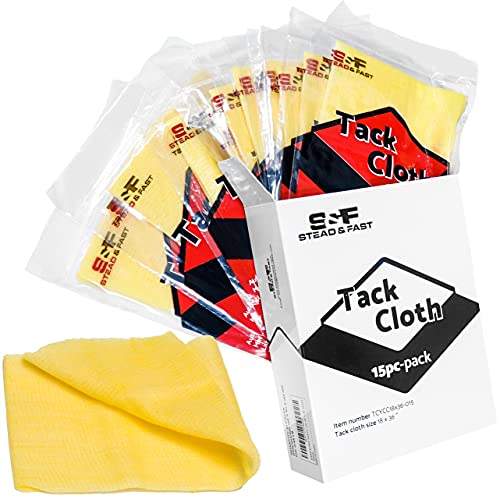
- Tack cloths for dusting unfinished wood floors


Before You Start
Before cleaning, evaluate the floor for exposed nails, loose boards, or cracks. Repair any damage promptly to prevent moisture from seeping into gaps. Do not use excessive water; unfinished wood absorbs moisture quickly and can swell or warp. Work in small sections, and keep adjacent doors and vents closed to minimize humidity fluctuations.
Time estimate: 20–40 minutes for a standard room, depending on size and debris level. If pets or heavy foot traffic are present, consider more frequent cleaning intervals.
Step-By-Step: How To Clean Unfinished Wood Floors
- Clear the room of furniture and rugs to expose the entire floor surface.
- Dry sweep or dust mop for bare wood floors to remove loose dirt, hair, and grit.
- Mix a small amount of neutral pH wood floor cleaner for unfinished wood with water following the label directions, ensuring a low-moisture solution.
- Moisten the microfiber mop for unfinished wood floors with the solution—never soak it—then wring out thoroughly.
- Gently mop the floor in the direction of the wood grain, working in sections to lift surface grime without saturating the wood.
- For stubborn spots, use a wood floor scrub brush for unfinished floors and light circular motions, avoiding harsh scrubbing that could raise grain or scratch the surface.
- Wring out the mop frequently and dry the floor with a clean tack cloths for dusting unfinished wood floors to remove residual moisture and loosened dust.
- Allow the floor to air-dry completely before returning furniture to the room to prevent moisture transfer.
Troubleshooting
| Symptom | Likely Cause | Fix | Prevention |
|---|---|---|---|
| Water stains appear | Over-wetting the wood | Wipe with dry cloth and reduce moisture; re-wipe with minimal cleaner | Use a well-wrung mop and quick-dry ragging |
| Cloudy finish after cleaning | Residue from cleaner | Rinse with only water on a clean microfiber mop, then dry | Use neutral pH cleaner in small amounts |
| Rough feel after cleaning | Grain raised by moisture or cleaner | Lightly buff with a dry microfiber pad | Avoid saturating the floor; maintain low moisture |
| Persistent streaks | Uneven application | Redouble reach with clean microfiber and ensure thorough drying | Apply cleaner evenly in small sections |
Common Mistakes
- Using harsh, acidic, or ammonia-based cleaners on unfinished wood
- Thoroughly soaking the floor or leaving standing water
- Skimping on drying time after cleaning
- Scrubbing aggressively, which can raise grain or scratch
Tips For Best Results
- Test a small, inconspicuous area first to ensure the cleaner does not alter color or texture.
- Regular dusting with a dust mop for bare wood floors reduces deep cleaning frequency and moisture exposure.
- Maintain consistent humidity levels to minimize wood movement; use a dehumidifier in humid spaces.
- Store cleaning products in a cool, dry place away from children and pets.
Call A Professional
Consider a pro if the floor shows persistent swelling, severe finish wear, or water damage that affects the wood’s structural integrity. Signs that warrant professional assessment include warped boards, deep checks, or extensive staining not improved by routine cleaning.
FAQ
Can unfinished wood floors be cleaned with water alone?
Water alone can raise the wood; use a neutral cleaner in small amounts and ensure thorough drying.
How often should unfinished wood floors be cleaned?
Dust at least weekly and perform a deeper clean every 1–2 months, or as needed based on traffic and debris.
Is a steam mop safe for unfinished wood floors?
Steam can introduce excessive moisture and damage unfinished wood; avoid steam mops.
What should I do about spills?
Wipe immediately with a dry cloth, then clean the area with a damp microfiber pad and dry promptly.
Which tools are essential for maintenance?
A dust mop, microfiber mop, neutral pH cleaner, wood floor scrub brush, and tack cloths cover routine maintenance well.
Buying Guide
Choosing cleaning tools for unfinished wood floors involves balancing effectiveness with protection of the wood’s texture. When evaluating products, consider how well each item minimizes moisture exposure and how easily dust and grit are removed without scratching the surface.
Key buying factors include size and coverage area, the cleaning efficiency of a microfiber system, and the compatibility of cleaners with bare wood finishes. Look for neutral pH cleaners designed for unfinished wood to avoid color changes or grain swelling. For tools, aim for ergonomically designed handles and machine-washable pads to reduce wear and ensure consistent performance over time.
Size and noise level matter for ongoing upkeep in larger homes or multi-room cleaning. Energy efficiency is less a concern for cleaning devices but consider rechargeable options to reduce cord clutter. Controls should be simple—adjustable handle height and a mop head that fits tight corners. Placement advice: store tools in a dry area away from direct sunlight to prevent warping or moisture damage.
For comparison, assess how each kit or tool combination handles dust, moisture, and textured surfaces. A minimal starter set can be expanded with a dedicated wood floor scrub brush for stubborn spots, a dust mop for frequent dusting, and tack cloths for final dust pickup. This combination ensures a practical, repeatable cleaning routine that preserves the natural feel of unfinished wood floors.