Burnt-on stains on a glass cooktop can be stubborn, but with the right approach and safe tools, a pristine surface is achievable. This guide provides practical steps tailored for American kitchens, focusing on safe techniques, common products, and prevention tips to keep your ceramic surface gleaming.
The methods outlined here emphasize using non-abrasive solutions and tools to protect the glass while removing hardened residue. Readers will learn a structured process that minimizes scratching and preserves the cooktop’s clarity and performance.
Quick Answer
To remove burnt-on stains on a glass cooktop: let the surface cool, apply a ceramic glass cooktop cleaner, use a dedicated scraper or razor blade set with care, wipe with a microfiber cloth, and finish with a non-scratch scrub pad for any stubborn spots. Repeat as needed, then buff to a shine.
What You’ll Need
- Ceramic glass cooktop scraper razor blade set
- Non-scratch scrubbing pad for glass stove top
- Ceramic cooktop cleaner kit with scraper
- Stovetop cleaner spray for burnt-on stains ceramic glass
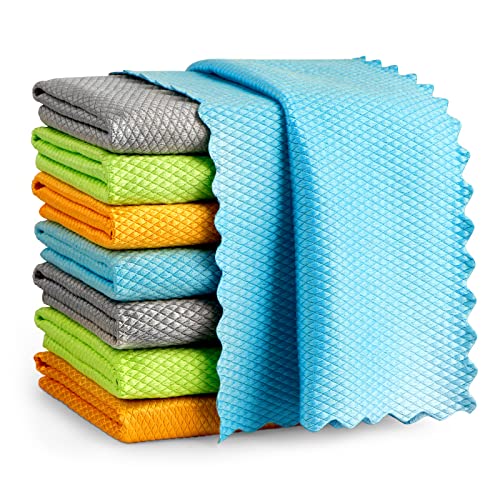
- Microfiber towel and cloth for glass stove top cleaning


Before You Start
Safety comes first. Ensure the cooktop is completely cool before starting. Work in a well-ventilated area and avoid acids or abrasive powders that can scratch the surface. Protect surrounding countertops and apply cleaner in small amounts to prevent runoff. Time estimates range from 15 to 30 minutes for a typical deep clean, depending on burnt residue.
Critical cautions: never use metal tools that can gouge the glass, never apply excessive pressure with the scraper, and avoid cleaners containing ammonia on certain decorative surfaces. Test cleaners on a small, inconspicuous area first.
Step-By-Step: How To Clean Glass Cooktop Burnt Stains
- Allow the cooktop to cool completely, then lift any loose debris or crust with a soft cloth.
- Spray a small amount of stovetop cleaner spray for burnt-on stains ceramic glass onto the stained area and let it sit for 30–60 seconds.
- Use the ceramic glass cooktop scraper razor blade set at a shallow angle to gently lift burnt residues without scratching the surface.
- Wipe away loosened material with a microfiber towel, rotating to a clean area as needed.
- Apply a pea-sized amount of ceramic cooktop cleaner kit with scraper to remaining spots and work in circular motions.
- For stubborn patches, use a non-scratch scrubbing pad for glass stove top in soft, even strokes, then wipe clean.
- Rinse the surface with a damp microfiber cloth to remove cleaner residue completely.
- Buff the area with a dry microfiber cloth to restore clarity and shine.
- Inspect the surface from multiple angles; repeat steps if any residue remains.
- Wash the microfiber cloths used and store tools dry to prevent rust or corrosion.
- Optional: treat the entire cooktop with a thin, even layer of cleaner to maintain a uniform appearance over time.
- Clean surrounding edges and ensure no cleaner has seeped into controls or vents.
Troubleshooting
| Symptom | Likely Cause | Fix | Prevention |
|---|---|---|---|
| Stubborn burnt ring remains | Deep bonding of sugars; insufficient dwell time | Reapply cleaner, let sit longer, re-scrape gently | Clean spills promptly, wipe with cleaner after cooking |
| Scratches appear after cleaning | Using metal or worn blades | Switch to fresh razor blade set or non-scratch options | Use proper technique and only at a shallow angle |
| Cloudy or dull surface | Residue buildup or improper rinsing | Thorough rinse with microfiber cloth; buff to shine | Rinse thoroughly after every cleaning |
| Cleaner doesn’t dissolve residue | Residue is baked-on and stubborn | Use a reinterpretation of steps: cleaner, dwell time, gentle scraping | Prevent by wiping spills soon after cooking |
Common Mistakes
- Using abrasive pads or steel wool on ceramic glass surfaces
- Rushing the cleaning step without letting cleaner work
- Applying cleaner near control panels or heat indicators
- Overfilling the scraper with cleaner, causing streaks
- Neglecting to wipe residues thoroughly after cleaning
Pro tip: keep a regular light routine to prevent heavy buildup, which is easier to manage than a deep clean later.
Tips For Best Results
- Always use non-scratch pads and dedicated glass cooktop tools to protect the surface.
- Apply cleaners in small amounts and work in sections for even results.
- Work while the kitchen is well-lit to spot streaks and remaining residue.
- Keep a dedicated microfiber cloth exclusively for glass cooktops to avoid transfer of fibers or oils.
- After cleaning, perform a final wipe with a dry cloth to prevent water spots and streaks.
Call A Professional
When to call a professional: if the glass is cracked, chipped, or if there are persistent stains that refuse to budge after multiple serious cleanings. If the cooktop shows signs of overheating, electrical issues, or if you notice unusual smells, cease cleaning and consult a technician.
FAQ
Can I use a razor blade on a glass cooktop?
Yes, with caution. Use a dedicated ceramic glass scraper and keep the blade at a shallow angle to avoid scratching the surface.
What should I do if cleaner leaves streaks?
Rinse thoroughly with a damp microfiber cloth and buff with a dry cloth to restore clarity.
Is it safe to use vinegar on a glass cooktop?
Vinegar is generally safe in small amounts, but avoid highly acidic or abrasive cleaners that can dull or damage the finish over time.
How often should I deep clean burnt-on stains?
Deep clean as needed when buildup becomes visible or affects performance; routine light cleaning after each use helps prevent heavy residue.
What can I do to prevent future stains?
Wipe spills immediately after cooking, use lids to reduce splatter, and maintain a regular cleaning schedule with appropriate cleaners.
Are there eco-friendly options?
Yes. Look for glass cooktop cleaners labeled as eco-friendly and pair with soft pads to minimize chemical use.
Buying Guide
Choosing accessories and cleaners for a glass cooktop should focus on effectiveness, safety, and surface protection. Consider these factors to optimize performance and longevity.
- <bSize and fit: Ensure scrapers and pads are designed for ceramic glass surfaces; standard blades may be too aggressive for some cooktops.
- <bNoise and ease of use: Choose microfiber cloths and non-scratch pads that are gentle and quiet during use, reducing streaks and scratches.
- <bEnergy and efficiency: Regular cleaning maintains efficient heat transfer and even cooking; a clean surface helps prevent hot spots.
- <bControls and placement: Keep cleaners away from control panels and indicators; store tools in a dedicated kit to prevent accidental use near electronics.
- <bDurability and materials: Invest in a scraper with a replaceable blade, a durable non-scratch pad, and high-quality microfiber towels for long-term use.
- <bMaintenance compatibility: Check that cleaners are compatible with your cooktop’s finish and warranty requirements to avoid voiding coverage.
- <bCost and value: Consider buying a complete ceramic cooktop cleaner kit with a scraper for a cohesive, efficient cleaning process.
Looking for a balanced setup? A ceramic cooktop cleaner kit with scraper paired with a non-scratch scrubbing pad and microfiber towels provides a comprehensive, safe approach to keeping glass cooktops spotless and ready for cooking. Regular maintenance reduces the need for aggressive scrubbing and helps extend the surface’s life.