Cleaning an old mattress can restore comfort, extend its life, and improve sleep quality. This guide outlines practical, consumer-friendly steps that use common household tools and select specialty products designed for mattresses.
Following a consistent cleaning routine can reduce odors, remove stains, and address allergens. The approach below prioritizes safety, efficiency, and effectiveness for most standard mattresses found in American homes.
Quick Answer
For a refreshed mattress in a few hours, loosen stains with a stain remover powder, treat with an enzyme cleaner spray for mattresses, deodorize with a spray, and finish with a fabric steamer or carpet steam cleaner designed for upholstery. Allow ample drying time between treatments to prevent mold growth.
What You’ll Need
- Enzyme cleaner spray for mattresses 32oz
- Mattress stain remover powder for upholstery
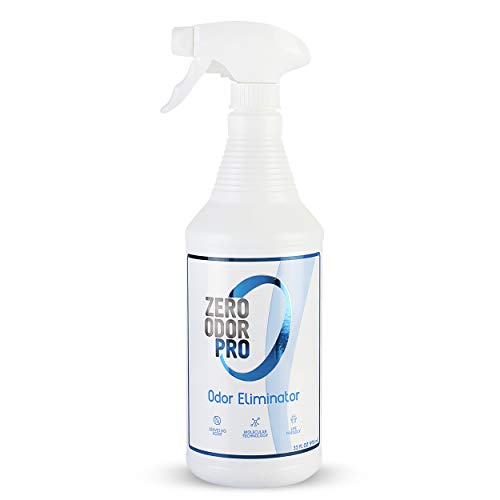
- Mattress deodorizer spray odor eliminating 16oz
- Carpet steam cleaner for mattresses
- Fabric steamer handheld mattress upholstery
- Water, mild detergent, clean microfiber cloths, and a vacuum with upholstery attachment


Before You Start
Prepare a clean, well-ventilated workspace. Strip the bed and remove sheets, pillow protectors, and mattress covers. Vacuum the mattress thoroughly to remove loose dust and debris before applying liquids. Test any cleaner on a small, inconspicuous area to confirm colorfastness. Time estimate: 60–180 minutes of active work, plus drying time. Avoid over-wetting the mattress to prevent mold and mildew; use minimal moisture and ensure complete drying.
Step-By-Step: How To Clean An Old Mattress
- Vacuum the entire mattress surface, including seams and edges, to remove dust, skin cells, and hair.
- Identify and treat stains: sprinkle mattress stain remover powder for upholstery on visible stains; let it sit per product directions.
- Prepare a cleaning solution: lightly mist the surface with a mixture of water and a small amount of mild detergent, or use the enzyme cleaner spray for mattresses 32oz according to label instructions.
- Spot-clean stubborn spots by dabbing with a clean cloth; avoid scrubbing that can push liquids deeper into the core.
- Apply a light mist of mattress deodorizer spray odor eliminating 16oz across the surface to neutralize odors and refresh the fabric.
- Use a fabric steamer handheld mattress upholstery lightly across the mattress to help loosen fibers and evaporate moisture. Do not saturate; keep the steamer moving.
- Follow with a carpet steam cleaner for mattresses on a low setting to further sanitize and lift embedded residues, focusing on the top surface and sides. Avoid prolonged moisture.
- Allow the mattress to air-dry completely in a well-ventilated area. Use a fan or open windows to speed up drying. Do not replace sheets until the mattress is fully dry.
- Return the bed linens and rotate the mattress if applicable to promote even wear. Consider repeating quarterly or semi-annually for ongoing freshness.
- For persistent odors or heavy staining, repeat the process or combine products as directed, ensuring the mattress dries fully between treatments.
- Store excess cleaners in a cool, dry place and follow all label safety guidelines for household products.
Troubleshooting
| Symptom | Likely Cause | Fix | Prevention |
|---|---|---|---|
| Persistent musty odor | Moisture trapped after cleaning | Increase drying time, use a fan, reapply deodorizer | Ventilate during and after cleaning; avoid over-wetting |
| Stains reappearing | Deep-set stains/organic matter | Re-apply enzyme cleaner and stain remover powder, repeat as needed | Treat stains promptly; use protective covers |
| Rings or rings of moisture | Uneven moisture absorption | Evenly distribute moisture using a microfiber cloth and gentle mist | Apply minimal moisture; dry thoroughly |
| Fabric feels stiff after cleaning | Detergent residue | Rinse lightly with clean water and blot; ensure complete drying | Rinse less aggressively; use proper dilution |
Common Mistakes
- Over-wetting the mattress during cleaning
- Using harsh chemicals not suited for fabrics
- Skipping a patch test before full application
- Not allowing sufficient drying time before use
Tips For Best Results
- Schedule regular cleaning sessions to prevent build-up of odors and stains.
- Use a mattress protector to minimize future staining and simplify upkeep.
- Work from the top surface to the sides to ensure even cleaning and moisture distribution.
- Keep a fan nearby to accelerate drying and reduce the risk of mold growth.
- Label and rotate your mattress occasionally to distribute wear evenly.
Call A Professional
Consider contacting a professional if the mattress shows signs of mold, persistent stains, or a strong cannot-be-removed odor after multiple cleanings. Stop using the mattress if you notice ongoing dampness, visible mold growth, or adverse reactions to cleaning products.
FAQ
Can I clean an old mattress with household cleaners?
Yes, but use products designed for fabrics and follow label directions to avoid damage.
How long does a cleaned mattress take to dry?
Drying times vary, but plan for several hours to a full day in a well-ventilated space.
Will cleaning remove all odors?
Most odors are reduced, but persistent smells may require repeated treatments or protectants.
Is it necessary to use a deodorizer?
Deodorizers help neutralize odors and leave a fresh scent, especially after deep cleaning.
Buying Guide
When selecting products for mattress cleaning, consider the following factors to optimize results. Size isn’t a concern here, but the strength and formulation of cleaners matter. Note that some cleaners are multi-surface and safe for upholstery, while others are specifically designed for mattresses.
Key buying factors
- Enzyme cleaner spray for mattresses: Effective for organic stains and odors; look for enzyme-based formulas designed for fabrics.
- Mattress stain remover powder for upholstery: Good for dry application on tough stains; ensure compatibility with mattress fabric.
- Mattress deodorizer spray odor eliminating: Helps neutralize odors post-cleaning; choose fragrance-free or mild scents if sensitive.
- Carpet steam cleaner for mattresses: Elevates cleaning by sanitizing and lifting embedded soils; verify compatibility with mattress fabrics and upholstery settings.
- Fabric steamer handheld mattress upholstery: Aids in deodorizing and fabric refreshment; use with caution to avoid over-wetting.
Consider the mattress size, your room ventilation, and whether you prefer spray cleaners vs. powder formats. For sensitive users, choose low-VOC or fragrance-free options. Placement of the cleaned mattress should be in a dry, airy space away from direct heat sources to promote rapid drying. If you live in a humid climate, using a dehumidifier can further reduce drying time and deter mold growth.