Clean window panes brighten indoor spaces, improve natural light, and extend the life of glass surfaces. This guide provides a practical, step-by-step approach using common cleaning tools and microfiber solutions suitable for American homes. Readers will learn where to start, what to gather, and how to avoid streaks and residue on glass.
Whether tackling a single bathroom window or a multi-story exterior, the following steps emphasize safe handling and efficient techniques that work with typical window sizes. The methods are compatible with standard home cleaning routines and commonly available tools.
Quick Answer
Achieve streak-free results by using a two-step wipe: first remove loosened grime with a scrubber, then wipe with a microfiber cloth or pad attached to an extendable pole. Finish with a wiper or squeegee held at a slight angle to eliminate remaining moisture.
What You’ll Need
- Extendable window cleaning squeegee pole kit microfiber
- Microfiber window cleaning kit with squeegee and scrubber
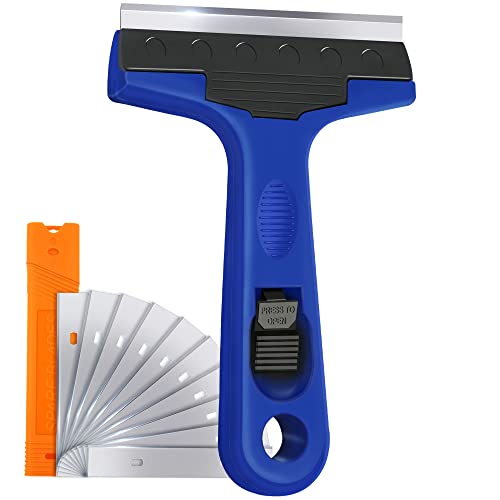
- Glass scraper blade for window cleaning
- Extendable window cleaning pole with microfiber pad
- Streak-free microfiber cloths for glass windows
[line break]

Before You Start
Assess the window surfaces for dirt, grime, or paint. For exterior panes, choose a calm, overcast day to prevent rapid drying and streaking. Protect surrounding areas with towels or drop cloths, and wear gloves if handling scraper blades. Avoid using metal tools on delicate glass and never scrape dry varnish or paint without a solvent appropriate for the surface. Allow any cleaning solution to sit briefly on stubborn spots, then scrub gently. Plan for a typical cleaning session of 20–40 minutes per large pane, depending on size and grime level.
Step-By-Step: How To Clean Window Panes
- Attach a microfiber pad or cloth to the extendable pole, ensuring a secure fit for even pressure.
- Spray a light cleaning solution on the pane or apply a damp microfiber pad to loosen dirt.
- Begin at the top left corner and work in vertical or horizontal strokes to cover the entire surface.
- For stubborn spots, use the glass scraper blade with a gentle angle, pulling away from you to avoid scratches.
- Rinse the pad or cloth frequently to prevent re-depositing dirt onto the glass.
- Switch to a clean, dry microfiber cloth or a dedicated squeegee to remove moisture in one direction for a streak-free finish.
- Dry edges and corners last, ensuring there is no pooling water at the sill or frame.
- Inspect the pane from different angles and retouch any remaining smudges with a fresh cloth on the extended pole.
- Repeat for all panes, including sidelights, if present, using the appropriate attachments for tight spaces.
- Store tools properly after use, cleaning pads and blades to extend their life and prevent residue transfer.
- Dispose of used rags or microfiber cloths in accordance with local guidelines if they retain grease or cleaners.
- For interior and exterior panes, consider alternating cleaning solutions to prevent streaks caused by residue buildup.
Troubleshooting
| Symptom | Likely Cause | Fix | Prevention |
|---|---|---|---|
| Streaks across the pane | Dried cleaner residue or uneven technique | Re-wipe with a clean microfiber cloth using a single pass | Use a fresh cloth and consistent stroke direction |
| Cloudy appearance after drying | Hard water mineral deposits | Use distilled water or a vinegar solution on a small test area | Rinse well and dry promptly |
| Patches not fully cleaned | Grease or silicone on the glass surface | Apply a专ial glass cleaner and longer dwell time | Pre-clean with a microfiber scrubber before final wipe |
| Scraper leaves scratches | Scraper blade dull or used incorrectly | Replace blade and use steady, light pressure | Keep the blade at a low angle; avoid dry scrapes |
Common Mistakes
- Using too much cleaner or soap, which creates a film
- Cleaning in direct sun or hot surfaces which causes quick drying
- Overlooking edges, corners, and sills during the final wipe
- Relying on a single cloth for the entire job—transfer residues
Tips For Best Results
- Warm, overcast days are ideal for exterior window cleaning to prevent rapid drying and streaking.
- Dedicated microfiber cloths are more effective than cotton towels for glass surfaces.
- Keep a small supply of replacement pads and scrapers on hand for larger projects.
- Angle the squeegee slightly downward and wipe in a continuous motion to avoid dry patches.
- Clean both sides of a pane when possible to ensure consistent appearance from indoors and outdoors.
Call A Professional
Consider professional help if windows are exceptionally tall, delicate, or hard-to-reach, or if a glass pane is damaged. Signs to seek expertise include chronic scratches, extensive hard-water buildup that resists standard cleaners, or the need to work on skylights or high storefronts. If there is any risk of injury from ladders or unstable surfaces, contact a licensed window cleaning service.
FAQ
What is the best way to prevent streaks on glass?
Use a clean microfiber cloth, work in consistent strokes, and finish with a dry, streak-free wipe.
Can I use regular household cleaners on windows?
Yes, but choose non-ammoniated, non-abrasive cleaners and test on a small area first.
How often should interior windows be cleaned?
Interior panes typically benefit from monthly cleaning, more often in occupied, sunny spaces.
Is a scraper safe for all window types?
Scrapers are safe for flat glass; avoid coated or reflective surfaces without manufacturer guidance.
Buying Guide
Choosing the right window cleaning tools depends on pane size, frequency of cleaning, and home layout. Key factors include size and reach, noise level, energy efficiency of the tools’ mechanisms, adjustable controls, and placement considerations for indoor versus outdoor use. When evaluating options, consider how an extendable pole kit complements a microfiber cloth system and whether a dedicated glass scraper blade is necessary for stubborn grime. Look for replaceable microfiber heads, compatibility with soap-free or light cleaners, and a comfortable grip for extended tasks. A well-chosen kit reduces effort and helps achieve consistent, streak-free results across multiple windows.