Rubio Monocoat finishes are prized for their durability and easy maintenance, but proper cleaning is essential to preserve the wood’s color and luster. This guide walks American homeowners through safe, effective cleaning routines for Rubio Monocoat oiled finishes on tables, using dedicated cleaners and simple tools to extend the life of the surface.
Quick Answer
For routine cleaning, use Rubio Monocoat cleaner for wood surfaces or wood soap designed for oiled finishes, followed by a soft microfiber cloth. Wipe spills promptly, avoid harsh cleaners, and apply a maintenance cleaner periodically to restore the surface’s texture and finish.
What You’ll Need
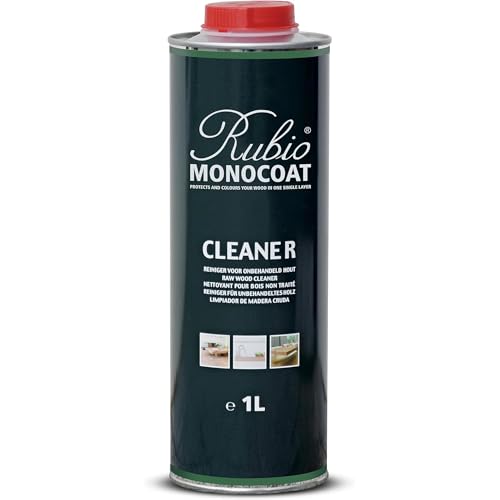
- Rubio Monocoat cleaner for wood surfaces
- Rubio Monocoat Maintenance Cleaner kit
- Microfiber cloth for Rubio Monocoat finish
- Rubio Monocoat cleaning wipes
- Wood soap for oiled finishes Rubio Monocoat


Before You Start
Prepare a clean, well-lit work area and protect nearby surfaces. Test cleaners on a hidden area first to confirm no color change. Allow the table to acclimate to room temperature if it’s recently moved or stored. Never use abrasive pads, ammonia-based cleaners, or oil-based solvents on Rubio Monocoat finishes. For wood furniture, keep the environment at moderate humidity to prevent the wood from expanding or contracting excessively. Plan about 20–40 minutes for a typical one-surface clean, plus drying time.
Step-By-Step: How To Clean Rubio Monocoat Table Surfaces
- Remove loose dust with a dry microfiber cloth or a soft brush to avoid scratching the surface during cleaning.
- Apply a small amount of Rubio Monocoat cleaner for wood surfaces to a slightly damp microfiber cloth. Do not spray directly onto the table.
- Wipe in the direction of the wood grain to lift dirt evenly without disturbing the oil coating.
- For stubborn spots or light stains, apply a touch more cleaner to the cloth and work gently in small circular motions, then wipe away any residue with a clean section of the microfiber cloth.
- Rinse the cloth frequently during the cleaning to prevent re-depositing grime.
- After cleaning, buff the surface with a dry, lint-free microfiber cloth to restore the natural sheen.
- If the table requires routine maintenance, use the Rubio Monocoat Maintenance Cleaner kit following the kit instructions to refresh and protect the finish.
- For in-between cleanings, you can use Rubio Monocoat cleaning wipes for quick touch-ups, ensuring the wipe remains slightly damp and follows the grain.
- Store cleaning products in a cool, dry place away from direct sunlight to maintain product efficacy and protect the finish.
- Allow the surface to dry completely before placing table items back on it to avoid streaks or residue.
- Periodically reapply a wood soap for oiled finishes Rubio Monocoat if the surface begins to feel dry or dull, following the product’s directions for dilution and application.
Troubleshooting
| Symptom | Likely Cause | Fix | Prevention |
|---|---|---|---|
| Cloudy or milky haze | Residual cleaner left on surface | Wipe with a fresh microfiber cloth dampened with clean water, then dry | Rinse thoroughly; avoid over-wetting |
| Sticky feeling after cleaning | Over-application of cleaner or insufficient drying | Wipe with a dry cloth and allow extra drying time | Use sparing amounts and ventilate area |
| Scratches appear after cleaning | Using abrasive cloth or scrub pad | Switch to a soft microfiber cloth and gentle pressure | Avoid rough materials; maintain regular cleaning schedule |
| Finish dulls or uneven | Surface deposited with dust or improper maintenance | Clean with maintenance cleaner kit and re-wax only if recommended | Dust frequently and follow maintenance plan |
Common Mistakes
- Using household detergents or ammonia-based cleaners on Rubio Monocoat finishes
- Over-wetting the surface or letting liquids pool on the table
- Using abrasive cloths, steel wool, or scrub brushes
- Neglecting to dry the surface after cleaning, leading to streaks
Tips For Best Results
- Dust regularly with a microfiber cloth to minimize buildup that requires deeper cleaning.
- Pair routine cleanings with periodic use of the Maintenance Cleaner kit for optimal protection.
- Test any new product on an inconspicuous area before full application.
- Keep liquids away from the edges to prevent water ingress that can affect the finish over time.
Call A Professional
Seek professional help if the Rubio Monocoat finish exhibits deep color changes, persistent hazing, or significant surface damage beyond routine cleaning. Stop using any product that intensifies discoloration, and contact a qualified wood finishing specialist for assessment. If the table is a treasured heirloom or unusually large, professional maintenance may save its value and appearance.
FAQ
Can I use rubbing alcohol to clean Rubio Monocoat finishes?
No. Avoid harsh solvents like rubbing alcohol that can strip or dull the oiled finish.
Is Rubio Monocoat cleaner safe for food-contact surfaces?
Yes, when used as directed for wood furniture, but always rinse thoroughly and ensure the surface is dry before use.
How often should I perform maintenance cleaning?
Typically every few months, or as the finish begins to look dull, following the maintenance cleaner kit instructions.
What should I do if a stain won’t come out?
Consult product guidelines and, if needed, apply a light, spot-clean using the dedicated cleaner or a wood soap designed for oiled finishes, then condition the area.
Buying Guide
When selecting products for Rubio Monocoat table care, consider size and setup, noise level from any tools, energy or water usage for cleaners, control and application method, and placement considerations.
Size: Choose a cleaner kit and wipes that match table dimensions and expected cleaning frequency. Smaller tables may not require large kits, while larger ones benefit from a comprehensive maintenance kit.
Noise level: Cleaning with microfiber and manual wiping is quiet, but powered tools are unnecessary for this finish and can risk damage.
Energy efficiency: Cleaning products do not consume energy, but look for concentrates that minimize waste and reduce packaging.
Controls: Simple spray bottles, damp cloths, and wipe formats reduce risk of over-wetting and ensure controlled application.
Placement: Keep cleaners away from direct sunlight and heat to preserve product efficacy. Store in a cool, dry place to prevent separation or degradation.
Maintenance perspective: Consider a mixed approach with a dedicated cleaner, maintenance kit, and occasional wood soap to sustain the finish’s look and durability.