Hard water can leave stubborn mineral deposits on chrome fixtures, dulling their shine and creating unsightly spots. This guide provides practical, step-by-step methods using common household cleaners and dedicated chrome products to restore a gleaming finish on sinks, faucets, and bathroom fixtures.
By following the methods below, homeowners can safely remove mineral buildup without scratching delicate chrome surfaces. The tips blend gentle cleaning agents with scrubbing tools designed for chrome through friendly, results-oriented instructions.
Quick Answer
For quick, effective results, spray a chrome hard water stain remover spray or a vinegar-based chrome cleaner spray for hard water on affected areas, let sit 5–10 minutes, then scrub with a non-scratch scrub pad for chrome bathroom cleaners and wipe clean with a microfiber cloth for chrome fixture cleaning. Finish with a polish using Bar Keepers Friend chrome polish cleaner or a similar polish to restore shine.
What You’ll Need
- Chrome hard water stain remover spray
- Vinegar-based chrome cleaner spray for hard water
- Bar Keepers Friend chrome polish cleaner
- Microfiber cloth for chrome fixture cleaning
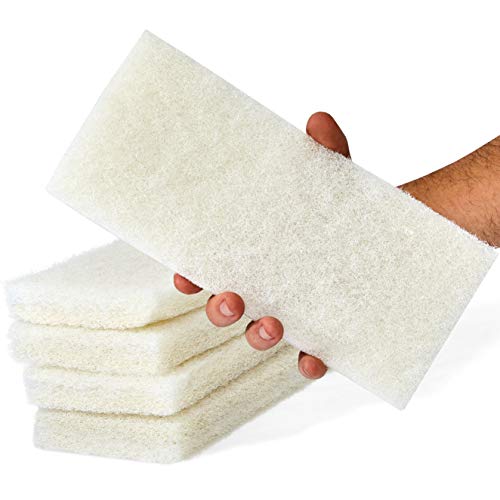
- Non-scratch scrub pad for chrome bathroom cleaners


Before You Start
Prepare the area by removing personal items from sinks and countertops. Ventilate the bathroom or kitchen to minimize fumes from cleaners. Wear gloves to protect skin and avoid inhaling aerosols. Test any cleaner on a small, inconspicuous area first to ensure compatibility with your chrome finish. Estimate about 20–40 minutes for the full treatment depending on the extent of buildup. Do not mix cleaners, especially ammonia-based products with bleach or vinegar, as this can release harmful gases.
Step-By-Step: How To Clean Hard Water Stains From Chrome
- Dry the chrome surface with a microfiber cloth to remove loose water and reveal mineral spots.
- Spray a vinegar-based chrome cleaner spray for hard water on the affected areas. Allow it to sit for 5–10 minutes to loosen mineral deposits.
- Gently scrub with a non-scratch scrub pad for chrome bathroom cleaners in circular motions to lift stains without scratching.
- Wipe away loosened residue with the microfiber cloth for chrome fixture cleaning. Rinse with warm water to remove any remaining cleaner.
- If stains persist, apply a chrome hard water stain remover spray and let it dwell for the recommended time on the product label, then scrub again with the non-scratch pad.
- For a deeper clean, create a paste with a small amount of water and Bar Keepers Friend chrome polish cleaner, apply to a soft cloth, and buff the surface in circular motions.
- Rinse thoroughly with water, dry completely with a microfiber cloth, and buff to a bright shine with a final wipe.
- Avoid abrasive scrubbing on delicate corners or curved surfaces to prevent micro-scratches.
- Assess the finish: if dull spots remain, repeat the process or spot-treat with a dedicated chrome polish to restore luster.
- Regular maintenance: wipe surfaces dry after use and perform a light weekly clean to prevent buildup.
- Store cleaners out of reach of children and in a cool, dry area when not in use.
Troubleshooting
| Symptom | Likely Cause | Fix | Prevention |
|---|---|---|---|
| Streaks after cleaning | Residual cleaner or mineral film | Wipe with microfiber and re-wipe with clean water | Dry surfaces after cleaning |
| Scratches visible after scrubbing | Abrasive pad or harsh cleaner | Switch to non-scratch pad and gentler products | Use appropriate pads and gentle pressure |
| Stains return quickly | Hard water re-deposits | Install a water softener or routinely wipe surfaces dry | Wipe dry after each use |
| Discoloration or dull finish | Over-cleaning or incompatible polish | Stop using harsh products; choose a chrome-safe polish | Test first on small area |
Common Mistakes To Avoid
- Using abrasive pads on chrome finishes, which can scratch or dull the surface.
- Combining cleaners with bleach or ammonia, which can release dangerous fumes.
- Letting cleaners sit too long, potentially etching the chrome or causing discoloration.
- Skipping drying steps, which encourages quick mineral redeposition.
Tips For Best Results
- Choose a vinegar-based cleaner for routine maintenance and a dedicated chrome stain remover for stubborn spots.
- Always test cleaners on a small, inconspicuous area before full application.
- Use a microfiber cloth for final buffing; it traps minerals without scratching.
- Schedule a weekly quick clean to prevent heavy buildup and maintain shine.
Call A Professional
Seek professional help if chrome fixtures are severely corroded, pitted, or if mineral buildup extends behind fixtures into plumbing. Stop using home cleaners when you notice chemical incompatibilities or damage to seals and gaskets. Contact a licensed plumber or corrosion specialist for repairs and guidance.
FAQ
Can I use white vinegar on all chrome surfaces?
Yes, in most cases white vinegar is safe for chrome, but test first on a small area and avoid extended exposure on antique or highly sensitive finishes.
Is Bar Keepers Friend safe for chrome?
Bar Keepers Friend is effective for chrome when used as directed and rinsed thoroughly afterward to prevent residue buildup.
How often should I clean chrome to prevent hard water stains?
Wipe surfaces dry after use and perform a light weekly clean to prevent mineral buildup on most chrome fixtures.
What should I avoid on chrome finishes?
Avoid abrasive pads, metal brushes, and mixing cleaners with bleach or ammonia-based products.
Will hard water stains come back after cleaning?
Stains can reappear unless you address water hardness and regularly dry surfaces; consider a water-softening solution for long-term prevention.
Is heat from hot water a problem for chrome?
High heat does not usually damage chrome, but sudden temperature changes can cause mineral flaking; clean with room-temperature or warm water and avoid thermal shock.
Can I use lemon juice to remove hard water stains?
Lemon juice is mildly acidic and can help, but it may be less effective than dedicated chrome cleaners; rinse well after use to prevent acidity exposure.
Buying Guide
When selecting products to tackle hard water stains on chrome, consider size, effectiveness, and ease of use. Key factors include:
- Size and coverage: Choose spray bottles with sufficient coverage for sinks, faucets, and showers, especially if you have multiple chrome fixtures.
- Effectiveness: Look for dedicated chrome cleaners or stain removers formulated for mineral deposits, as they tend to perform better on hard water stains than general cleaners.
- Ease of use: Sprays and foams that cling to vertical surfaces can simplify cleaning on faucets and showerheads.
- Safety and fumes: Opt for products with low harsh fumes, and always follow safety instructions, especially in shared bathrooms.
- Surface compatibility: Confirm the product is safe for polished chrome without causing dulling or etching.
- Accessories: A microfiber cloth and a non-scratch scrub pad can improve results and prevent scratches.
- Storage and disposal: Choose products with clear labeling and store away from children and pets.