Roaches inside wall voids can be challenging to eliminate because these pests hide in hard-to-reach spaces. A coordinated plan using targeted products and proper sanitation can reduce activity and keep infestations from flaring up again. This guide explains practical steps that homeowners can take in American homes, focusing on wall cavities, baseboards, and nearby cracks.
Quick Answer
Targeted gels and powders placed in wall voids, baseboards, and cracks, combined with surface sprays and dusts, can disrupt roach habitats and reduce populations. Use roach bait gel for walls and roach bait stations for baseboards and walls for interior baiting; apply crack and crevice spray for roaches in exposed crevices; finish with insecticide dust roach powder with duster to treat dust-ready areas. Monitor and reapply as needed, especially after cleaning or new activity appears.
What You’ll Need
- Roach bait gel for walls
- Crack and crevice spray for roaches
- Diatomaceous earth roach powder pest control
- Roach bait stations for baseboards and walls
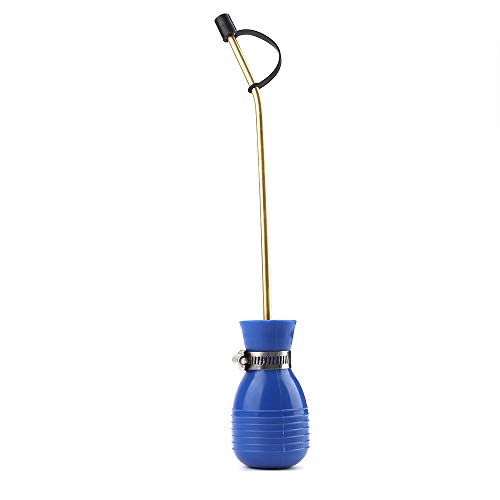
- Insecticide dust roach powder with duster


Before You Start
Plan to treat all affected areas in a single session if possible. Wear disposable gloves and a mask to limit inhalation of fine powders or aerosols. Move occupants and pets temporarily from treated areas and ventilate the space after application. Read product labels for safe usage around electronics, food prep areas, and children. Time estimates vary by the extent of the infestation but expect a few hours for initial treatment and up to several weeks for full suppression.
Step-By-Step: How To Get Rid Of Roaches In Walls
- Assess the problem areas by inspecting baseboards, electrical outlets near walls, plumbing penetrations, and any cracks around windows or doors.
- Declutter and seal accessible entry points with caulk or silicone sealant to reduce harborage in wall voids.
- Apply roach bait gel for walls in narrow cracks, behind baseboards, and along joints where roaches travel.
- Place roach bait stations for baseboards and walls at regular intervals along the interior perimeter, especially near suspected activity zones.
- Use crack and crevice spray for roaches to spot-treat accessible crevices around outlets, switch plates, and behind appliances.
- Dust hard-to-reach voids with insecticide dust roach powder with duster by gently puffing into wall openings and crawl spaces where roaches hide.
- Revisit treated areas after 7–14 days to evaluate activity and reapply products as needed, focusing on heavily trafficked routes.
- Clean thoroughly to remove roach droppings and pheromone trails, then reseal cracks to prevent future ingress.
- Maintain ongoing monitoring with bait stations and periodic dusting to keep suppression consistent over time.
- Replace or rotate bait gels every 1–2 months or as specified on product labels to maintain effectiveness.
- If activity persists or increases after several weeks, escalate to a professional assessment to identify hidden colonies.
- Keep a log of treated zones and observed activity to tailor future treatment cycles.
Troubleshooting
| Symptom | Likely Cause | Fix | Prevention |
|---|---|---|---|
| Roach activity returns after a week | Residual hiding spots or new entry points | Inspect and seal additional gaps; reapply targeted baits and dust | Regular maintenance caulking; seal around pipes and outlets |
| Little to no bait uptake | Strong pheromone trails or bait aversion | Rotate products; try different bait formulations | Limit competing foods in kitchen and pantry |
| Dust drifts into living areas | Over-application or wind in the space | Apply lightly with a duster; avoid high-saturation zones | Seal treated areas after application |
| Visible roaches near outlets | Wall voids adjacent to electrical boxes | Spot-treat with spray and re-seal around outlets | Keep outlets closed and check for gaps |
Common Mistakes
- Over-reliance on one product type; roaches may require a combination of baiting and dusting.
- Skipping sealing steps, which lets roaches reinhabit treated areas.
- Ignoring safety guidelines, especially around food areas and children.
- Using sprays in unventilated spaces without adequate airing afterward.
- Infrequent monitoring—baits lose effectiveness without ongoing checks.
Tip: Combine sanitation (removing food sources) with hull-friendly products for best results.
Tips For Best Results
- Coordinate baiting and dusting to cover both surface routes and hidden wall voids.
- Label and date each treated area to track effectiveness over time.
- Keep treated areas dry; moisture can reduce dust performance and bait uptake.
- Use a low-odor, child- and pet-friendly approach when possible, following label instructions.
- Plan a follow-up treatment window (2–4 weeks) to address any new roach activity.
Call A Professional
Seek professional help if there is a heavy infestation, if roaches persist after two treatment cycles, or if access to wall voids is extensive or risky (for example, behind large appliances or within structural components). Signs to pause DIY efforts and contact an exterminator include widespread droppings, an increase in roach sightings after treatment, or roaches present in multiple rooms despite consistent strategies.
FAQ
What is the best way to start treating roaches inside walls?
Begin with sealing entry points, then apply bait gels and stations along baseboards and known routes, followed by selective dusting in wall voids.
Are roach baits effective for wall void infestations?
Yes, when placed in key transit areas and paired with dusting and crevice sprays, baits help reduce populations and limit re-infestation.
How often should I reapply products inside walls?
Typically every 4–8 weeks, or as directed by product labels, with additional applications after new activity is detected.
Can I use all products together in the same room?
Yes, but follow label directions to avoid over-concentration and ensure safe, effective use in sequence and timing.
Is it safe to use insecticide dust in wall cavities?
When used as directed, insecticide dusts are safe for interior use; wear protective gear and avoid excessive spreading into living spaces.
Should I remove roaches from walls before applying products?
It helps to clear visible roaches, but many products work over time without immediate removal; combine sanitation with targeted treatments.
Buying Guide
When choosing products to address roaches in walls, consider size and layout of the home, desired control method, and safety needs. Think about how much wall space you need to treat, the presence of children or pets, and the level of infestation. Below are key buying factors to compare.
- Product family: A mix of roach bait gel for walls, roach bait stations for baseboards and walls, and crack and crevice spray for roaches often yields the best results.
- Application method: Gel and stations are low-drift and discreet; dusts reach deep voids but require careful handling.
- Coverage area: Assess square footage and typical roach pathways to determine how many units or tubes to purchase.
- Safety profile: Check labels for pet and child safety, and choose products with low odor if used in living spaces.
- Reapplication schedule: Look for products with clear guidance on timing and rotations to prevent resistance.
- Placement flexibility: Wall-friendly gels and stations help when space is tight or behind fixtures.
- Long-term control: Consider ongoing monitoring tools such as small stations placed along known routes for sustained suppression.
Are you unsure about the best combination for your home? A stepwise plan using roach bait gel for walls, roach bait stations for baseboards and walls, and targeted crack and crevice spray for roaches provides a practical, adaptable approach for most wall-infestation scenarios. Always follow label instructions and consider professional help for persistent problems.