Bronze pieces, from decorative bowls to heirloom statues, often develop a natural patina that adds character. Cleaning without stripping this protective and aesthetic layer requires gentle products and careful techniques. This guide explains safe methods to refresh bronze surfaces while preserving patina across typical household items.
Quick Answer
Use a non-abrasive cleaner designed for bronze that includes corrosion inhibitors, apply with a soft brush or microfiber cloth, and finish with a patina-safe wax sealant. Avoid harsh acids, steel wool, or high-pressure methods which can dull or remove patina.
What You’ll Need
- patina-safe bronze cleaner liquid 8 oz
- microfiber polishing cloth for bronze patina
- non-abrasive bronze cleaner with corrosion inhibitors
- soft nylon bristle brush for bronze cleaning
- bronze patina sealant wax 4 oz


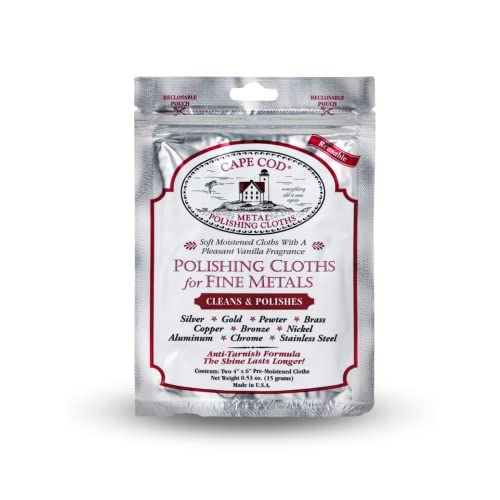
Before You Start
Inspect the piece to determine if the patina is a deliberate finish or if any loose corrosion is present. Work in a well-ventilated area and use gloves to protect hands. Test cleaners on a hidden spot first to confirm patina stability. Avoid abrasive pads, strong acids, and ammonia-based cleaners as they can remove or dull patina.
Time estimate: 15–45 minutes for most objects, depending on size and complexity. If pieces are valuable or historically significant, consider professional assessment before any cleaning attempt.
Step-By-Step: How To Clean Bronze Without Removing Patina
- Prepare the surface by gently dusting with a soft, dry microfiber cloth to remove loose dirt.
- Apply a small amount of patina-safe bronze cleaner liquid to the microfiber cloth and test on a inconspicuous area, wiping in the direction of the patina grain.
- For stubborn spots, use a soft nylon bristle brush to lightly agitate the contaminated areas—do not scrub aggressively.
- Rinse the area with a damp cloth, ensuring no cleaner residue remains. Dry thoroughly with a clean microfiber cloth.
- If tarnish recurs, repeat the cleaning step using a non-abrasive bronze cleaner with corrosion inhibitors, following product instructions.
- Apply a thin layer of bronze patina sealant wax once the surface is completely dry, working in small circular motions.
- Buff gently with a microfiber cloth to bring out the natural luster without altering the patina depth.
- Repeat sealing every 6–12 months, depending on exposure to air, humidity, or handling.
- Store or display the piece away from direct sunlight and extreme humidity to protect the patina.
- For multi-part items, repeat the cleaning and sealing steps on each component, ensuring even coverage.
- Document the moment you achieve the desired balance of shine and patina to guide future maintenance.
Troubleshooting
| Symptom | Likely Cause | Fix | Prevention |
|---|---|---|---|
| Patina looks uneven after cleaning | Inconsistent cleaning, missed spots | Re-clean affected areas with minimal product, re-seal | Maintain uniform motion and test small areas first |
| Cleaner dulls patina | Use of abrasive or harsh chemical | Stop and re-evaluate with patina-safe products | Always use recommended cleaners |
| Wax residue appears cloudy | Wax applied before complete dry | Re-clean and re-wax when surface is dry | Wait for full dryness before sealing |
| Bronze feels sticky after cleaning | Residual cleaner or wax layer | Wipe with a clean cloth, re-buff | Rinse thoroughly and dry completely |
Common Mistakes
- Using metal polishes or waxes not labeled for patina preservation
- Over-brushing or scrubbing, which can wear away patina
- Skipping a test spot and applying cleaners widely
- Failing to dry completely before sealing, which traps moisture
Keep a light touch and follow product labels. The goal is to clean surface dirt while maintaining the artistic finish that patina provides.
Tips For Best Results
- Work in a shaded area with stable temperature to prevent moisture condensation during cleaning and sealing.
- Use two microfiber cloths: one for application and one for buffing to avoid cross-contamination.
- Store cleaning products in a cool, dry place away from direct sunlight to preserve their effectiveness.
- Document the routine steps and timing to replicate consistent results over time.
Call A Professional
Stop cleaning if the patina begins to wear away or if bronze shows signs of flaking, flaking, or unusual discoloration. Seek professional conservator advice for antique or culturally significant pieces, or if the patina is part of a larger decorative scheme that requires expert judgment.
FAQ
Is patina safe to clean with regular household cleaners?
Patina-safe cleaners are recommended to protect the finish; avoid acidic or abrasive household cleaners unless specified by the product guidelines.
Can I remove patina with cleaning if I don’t like it?
Cleaning may reduce patina but not always remove it completely; consult a restorer for controlled patina alteration.
How often should bronze be sealed after cleaning?
Typically every 6–12 months, depending on exposure and handling.
Will sealing bronze protect against future tarnish?
Sealing can slow tarnish and corrosion, preserving the appearance while allowing the patina to remain visible.
Buying Guide
When choosing products to clean bronze without removing patina, consider several factors to match your object and goals:
- Size and surface texture: Larger pieces or delicate textures may require more coverage but gentler tools.
- Patina safety: Ensure cleaners and sealants specify patina-safe formulas designed to preserve patina.
- Cleaning vs sealing balance: Some products focus on cleaning, others on sealing; choose a coordinated kit for consistent results.
- Ease of use: Look for clear instructions, visible test spots, and minimal preparation steps.
- Application tools: Soft nylon brushes and microfiber cloths reduce abrasion compared to abrasive pads.
- Drying time: Quick-drying options allow faster reassembly and display, but ensure complete dryness before sealing.
- Durability of sealant: A longer-lasting wax reduces maintenance, but may require reapplication to maintain a balanced patina.
- Storage and safety: Keep cleaners away from children and pets; check packaging for proper storage conditions.
- Brand compatibility: Use products from reputable lines that specialize in bronze patina care to avoid mismatch with the finish.
Are you unsure which combination fits your bronze piece? Consider a starter kit that includes patina-safe cleaner, a soft brush, a microfiber cloth, and a patina sealant to test and build a routine.