The presence of a persistent musty or stuffy odor can indicate moisture buildup, poor ventilation, or hidden sources of odor. This guide provides practical, American-friendly steps to freshen indoor air, reduce humidity, and prevent odors from returning. By combining proactive measures with targeted products, homeowners can regain a crisp, clean indoor scent without heavy cleaning or costly renovations.
Quick Answer
Identify and reduce moisture sources, improve air exchange, and use odor-controlling products. Start with a dehumidifier or HEPA air purifier with an activated carbon filter, add odor absorbers like activated charcoal, and treat lingering smells with enzymatic sprays. Regular maintenance and ventilation are key to long-term relief.
What You’ll Need
- HEPA air purifier with activated carbon filter for musty odor
- activated charcoal odor absorber bags for room deodorization
- odor eliminating spray for cabinets and rooms enzymatic formula
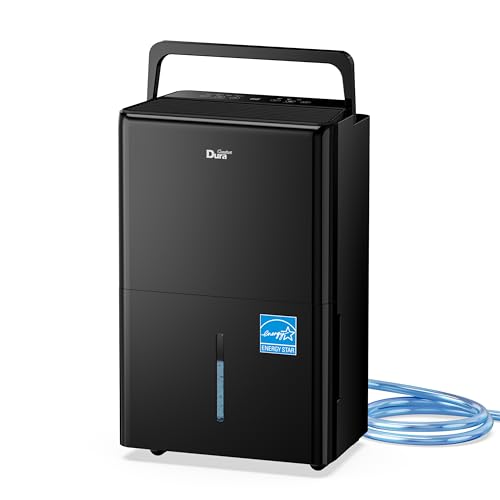
- dehumidifier with built-in humidistat for musty smell control 50 pint
- silica gel moisture absorber for closets and drawers


Before You Start
Assess the space for moisture sources such as leaks, damp basements, or wet laundry areas. Open windows when weather permits to improve air exchange, but use dehumidification during humid seasons. Safety note: unplug electrical devices before inspecting hidden water damage, and wear a mask when applying enzymatic sprays in smaller enclosed spaces. Plan for a time window of 2–6 hours for initial deodorization work, plus ongoing daily maintenance to sustain freshness.
Step-By-Step: How To Get Rid Of Stuffiness And Odors
- Run a dehumidifier in damp rooms to bring relative humidity to 40–50% for optimal comfort and odor control.
- Position a HEPA air purifier with an activated carbon filter in the largest living area to capture particles and neutralize musty smells.
- Place activated charcoal odor absorber bags in strategic spots—near closets, behind furniture, and in cabinets where odors tend to linger.
- Spray the odor eliminating spray for cabinets and rooms on hard, nonporous surfaces, focusing on corners, baseboards, and storage areas. Allow to dry before reentry.
- Treat fabric and upholstery by using the spray lightly on cushions, curtains, and drapes, or launder if possible, to remove trapped odors.
- Use silica gel moisture absorbers in closets, drawers, and shoe racks to reduce residual humidity and slow odor buildup.
- Inspect for hidden moisture sources—leaks under sinks, around windows, or in basements—and repair promptly to prevent recurring odors.
- Establish a routine: run dehumidification or air filtration daily for at least 2–4 hours, and replace carbon filters as recommended by the manufacturer.
- Ventilate when feasible: crack windows briefly on dry days and use exhaust fans in kitchens and bathrooms to remove moisture-laden air.
- Schedule a periodic deodorizing refresh, particularly after cooking, cleaning with moisture, or heavy laundry days.
- For persistent odors in enclosed spaces, repeat the treatment cycle with the enzymatic spray to break down organic odor compounds.
- Document any recurring odor hotspots to address underlying causes and prevent rebound smells.
Troubleshooting
| Symptom | Likely Cause | Fix | Prevention |
|---|---|---|---|
| Persistent musty smell after airing out | Hidden moisture source | Inspect for leaks; repair and dry the area thoroughly | Regular humidity monitoring, prompt repair of leaks |
| Odor returns after a few days | Insufficient deodorization products or poor airflow | Increase purifier placement, add charcoal absorbers | Maintain humidity around 40–50% |
| No improvement with dehumidifier | Area too large or sealed | Use additional dehumidifiers or improve ventilation | Improve room airflow and window use |
| Enzymatic spray seems ineffective | Odors trapped in fabric or porous surfaces | Apply on fabrics and re-treat every 1–2 weeks | Regular cleaning of soft goods |
Common Mistakes
- Relying on one odor-control product instead of combining moisture management with filtration.
- Ignoring hidden moisture sources such as basements or crawl spaces.
- Overusing sprays on porous surfaces, which can leave residues or odors of their own.
- Blocking air flow by placing purifiers in corners or behind furniture.
Tips For Best Results
- Place a dehumidifier and air purifier on different ends of large rooms to maximize coverage.
- Use activated carbon filters in tandem with HEPA filtration for both particles and odors.
- Regularly replace moisture-absorbing products like silica gel when they change color or feel damp.
- Schedule routine cleaning and odor control during high-moisture months (spring and fall in many parts of the U.S.).
- Keep storage areas dry by using moisture absorbers in closets and drawers to prevent mustiness from forming.
Call A Professional
Consider professional help if there are signs of structural moisture, persistent mold growth, or if odors remain strong despite multiple deodorization efforts. Stop signs include ongoing dampness after repairs, visible mold, or a strong odor in multiple rooms. A licensed plumber or home inspector can assess leaks, ventilation, and overall moisture management needs.
FAQ
What causes a stuffy smell in a house?
Common causes include high humidity, poor ventilation, moisture leaks, and mold growth. Addressing humidity and improving airflow are key first steps.
Which products best remove musty odors?
Combination approaches work best: a HEPA air purifier with activated carbon, activated charcoal odor absorbers, and an enzymatic spray for organic smells.
How can I reduce humidity efficiently?
Use a dehumidifier with an integrated humidistat and ensure proper room ventilation to maintain 40–50% humidity.
How often should I deodorize and deodorize methods?
Do a thorough deodorization after moisture events (leaks, spills) and monthly refreshes to maintain freshness.
Are there risks with spraying enzymatic cleaners?
Follow label directions and ventilate the area. Avoid over-saturation on porous materials that might abrade surfaces.
Buying Guide
Choosing the right odor-control setup involves evaluating several factors to match a home’s layout and climate. Here are key buying considerations:
- Size and coverage: Match the purifier’s CADR and the dehumidifier’s capacity to the room size. Larger spaces often require multiple devices or higher-capacity units.
- Noise level: Look for devices with a quiet operation mode for bedrooms and living rooms, especially if sensitive occupants are present.
- Energy efficiency: Energy Star-rated models typically deliver long-term savings on electricity while maintaining performance.
- Controls and automation: Humidistat and timer features help maintain stable humidity and airflow without manual adjustments.
- Placement and flow: Consider placement to maximize airflow and avoid obstructing vents or doorways.
- Maintenance and consumables: Factor filter replacement frequency and cost, as well as availability of activated charcoal and enzyme sprays.
- Cost of ownership: Initial purchase, ongoing filter changes, and energy use should align with household needs and climate.
To optimize results, plan a layered approach: address moisture first, then employ filtration and targeted odor control. If odor sources are localized (closets, cabinets, or laundry areas), prioritize products designed for those spaces while maintaining overall air quality.