Stained wood furniture adds warmth and character, but spills, wear, and aging can dull its beauty. This guide covers a practical approach to restoring stained wood surfaces, using common tools and consumer-friendly products. From gentle cleaning to light refinishing, readers will learn a safe path to brighter, more even finishes.
By following these steps, homeowners can address everyday staining, remove finish buildup, and prepare surfaces for refreshment without professional help.
Quick Answer
Start with a thorough but gentle clean using a dedicated wood cleaner, then treat heavy stains with a wood stain remover gel. For worn finishes, use a scraper blade to lift loose layers, followed by light sanding with a sanding block (80 grit) and an orbital sander (5 inch) for smoothing. Finish with a wood conditioner or sealer as needed and wipe clean.
What You’ll Need
- Wood cleaner for stained wood furniture
- Wood stain remover gel for furniture
- Scraper blade for removing finish from wood
- Sanding block 80 grit for wood sanding
- Orbital sander 5 inch for wood refinishing


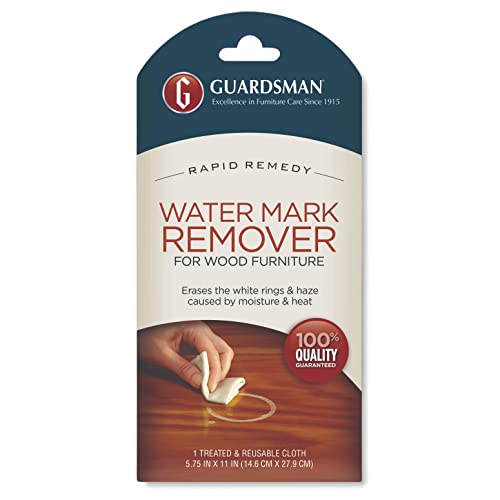
Before You Start
Assess the wood type and finish to avoid damage. Work in a well-ventilated area and wear a dust mask when sanding. Place drop cloths to protect floors and nearby items. Test cleaners and removers on a hidden area first to confirm colorfastness. Allow time estimates to account for drying between steps; plan for a multi-hour process if refinishing is required.
Critical cautions: Avoid over-wetting wood with cleaners, which can raise grain or cause swelling. Do not rush the finish removal; aggressive sanding can gouge wood. Follow manufacturer instructions for all products used.
Step-By-Step: How To Clean Stained Wood
- Clear the area and remove loose dust with a soft microfiber cloth.
- Apply the wood cleaner for stained wood furniture according to label directions; wipe in the direction of the grain.
- For stubborn spots, use a soft-bristle brush and gently agitate, then wipe away residue.
- If the finish is heavily worn or damaged, use a scraper blade for removing finish from wood to lift loose layers without gouging.
- Dry the surface completely before assessing results; this helps reveal remaining stains or unevenness.
- Apply wood stain remover gel for furniture to address deep or set-in stains; follow the product’s dwell time and remove with a clean cloth.
- Switch to a sanding block (80 grit) to roughen glossy areas and even out texture where needed.
- Move to an orbital sander 5 inch for wooden refinishing to refine the surface, working with the grain and avoiding dents.
- Wipe away dust, then inspect for uniform color and smoothness; repeat light sanding if gaps remain.
- Clean the final surface with a damp cloth and let dry completely before applying any finish or sealant.
- If desired, apply a compatible finish such as a wood conditioner, sealer, or protective topcoat according to manufacturer directions.
- Reassemble or replace hardware after the finish has fully cured for best results.
Troubleshooting
| Symptom | Likely Cause | Fix | Prevention |
|---|---|---|---|
| Finish remains tacky after dry time | Inadequate drying or incompatible finish | Wipe with a clean cloth, allow extended drying; apply compatible topcoat | Test products before full application |
| Stains reappear after cleaning | Deep-set tannins or moisture damage | Use wood stain remover gel for furniture; consider light sanding and resealing | Address moisture sources and use stain blockers if needed |
| Gouges or uneven grain after sanding | Over-sanding or incorrect grit | Switch to finer grit gradually and feather edges | Stay with grain direction and keep consistent pressure |
| Finish clings to scraper blade or sander | Residual old finish | Clean tools and re-wet surfaces as needed to lift residue | Work in small sections to monitor progress |
Common Mistakes
- Over-wetting the wood during cleaning, causing swelling
- Removing too much material with aggressive scraping or sanding
- Skipping a test area and applying products uniformly
- Using incompatible cleaners or finishes that don’t bond
Tips For Best Results
- Always sand with the grain to minimize scratch patterns.
- Work in a well-lit area to reveal uneven staining early.
- Clean tools between steps to avoid cross-contamination of products.
- Keep a consistent hand pressure during sanding for an even surface.
Call A Professional
Consider a pro if the wood has extensive water damage, deep cracks, or a very old finish that requires chemical stripping. Stop and consult a professional if the wood shows peeling, warping, or color changes that don’t respond to cleaning or light refinishing.
FAQ
What is the best order for cleaning stained wood?
Start with a wood cleaner for stained wood furniture, address tough stains with wood stain remover gel for furniture, then perform light sanding and finish as needed.
Can I use water to clean stained wood?
Light moisture can be used with the proper cleaner, but avoid saturating the surface to prevent swelling.
Will sanding remove deep stains?
Sanding can reduce surface discoloration; deep staining may require removing more material or using a stain remover gel for furniture.
How long does refinishing take?
Drying times vary by product; plan for several hours per stage and a full day for complete refinishing.
Is an orbital sander necessary?
An orbital sander speeds up finishing and yields a smooth surface, but a sanding block can handle smaller areas.
Should I seal after cleaning?
Sealing or finishing helps protect the wood and lock in the results after cleaning and light refinishing.
How do I keep stains from returning?
Address moisture, apply a compatible finish, and maintain proper cleaning intervals to prevent resoiling.
Buying Guide
Choosing the right products and tools for cleaning stained wood involves evaluating several factors. Consider the wood type and finish before starting, as certain cleaners and removers work better on specific species. Size up your project area to determine whether a 5 inch orbital sander is appropriate or if hand sanding with a block suffices. Noise level and vibration can affect comfort, especially for large furniture pieces.
Key buying factors to compare:
- Wood Cleaner For Stained Wood Furniture: Look for a product labeled safe for interior wood, with good stain-removing capability without harsh solvents.
- Wood Stain Remover Gel For Furniture: Choose a gel for better adhesion to vertical surfaces and effective stain lifting without excessive dripping.
- Orbital Sander 5 Inch: Check variable speeds and dust collection compatibility for smoother finishes and cleaner workspaces.
- Sanding Block 80 Grit: Useful for initial smoothing; plan to move to finer grits for a uniform texture.
- Scraper Blade For Removing Finish From Wood: Essential for lifting peeling layers without gouging the wood; select a blade with a comfortable handle.
Placement and workflow matter: work in a well-ventilated area, protect surrounding surfaces, and plan for drying time between steps. If the piece has intricate details, you may need smaller sanding pads or a detail scraper to reach tight corners. Compare product reviews for real-world performance and compatibility with your furniture’s finish.