Quick Answer
Steam cleaning a rug uses hot water and pressurized steam to lift dirt, odors, and stains. For most indoor rugs, a steam cleaner for area rug or an upright carpet cleaner for home use can deliver safe, effective results. Always test a small area first and follow manufacturer instructions for your rug’s materials.
What You’ll Need
- Steam cleaner for area rug or handheld fabric steam cleaner rug
- Carpet cleaning machine hot water extraction (if you have a larger area or stubborn soiling)
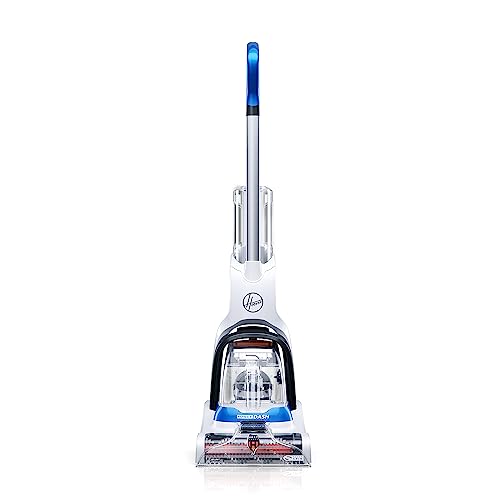
- Upright carpet cleaner for home use for heavy traffic areas
- Appropriate cleaning solution compatible with your device and rug fibers
- Clean towels or microfiber cloths for blotting
- A spot cleaner for tough stains (optional)


Before You Start
Review the rug’s label for fiber content (wool, cotton, synthetic, silk) and care instructions. Avoid over-wetting delicate rugs, as excessive moisture can lead to warping or mold. Prepare the area by removing furniture and laying down a protective mat or drop cloth. Allow the rug to dry completely before reusing high-traffic areas. Never use bleach or harsh solvents on wool or silk fibers.
Time estimate: 60–180 minutes depending on rug size and ventilation. Plan for thorough drying, which may take several hours indoors.
Step-By-Step: How To Steam Clean A Rug
- Vacuum the rug thoroughly to remove loose dirt and debris from both sides.
- Test a small inconspicuous area with the steam cleaner to check for colorfastness and fiber reaction.
- Choose a suitable cleaning solution and mix it per the device instructions or use a no-residue cleaner for sensitive fibers.
- Fill the steam cleaner or hot water extractor with hot water and cleaner if required by the unit.
- Begin cleaning from one corner, moving slowly in even, overlapping passes to prevent scorching or over-wetting.
- Work in sections, lifting the head slightly on gentle cycles to avoid pooling on the rug backing.
- For stubborn stains, apply a spot cleaner and agitate gently with a soft brush before steam treatment.
- Rinse only if the machine requires it or if you notice residue; otherwise, allow the rug to air dry completely.
- Blot damp areas with clean towels and ensure good airflow with fans or window vents to speed up drying.
Troubleshooting
| Symptom | Likely Cause | Fix | Prevention |
|---|---|---|---|
| Rug remains damp for long | Over-wetting or poor airflow | Increase ventilation; use fans; extract more moisture | Test area first; use shorter, controlled passes |
| Color bleeding after cleaning | Colorfastness issue | Stop cleaning that area; blot with a dry cloth; rinse if advised | Always test a small area before full cleaning |
| Streaks or shiny patches | Residue from cleaner | Use a light, clean water rinse or switch to a residue-free formula | Follow manufacturer guidelines precisely |
| Device stops mid-clean | Water tank empty or clog | Refill and check for blockages in the nozzle | Regular maintenance and filter checks |
Common Mistakes
- Over-wetting the rug, especially on delicate fibers
- Using the wrong cleaning solution or not diluting correctly
- Cleaning against the rug’s nap, which can distort pile
- Skipping a spot test, leading to color loss or stiffness
- Not allowing sufficient drying time, inviting odors or mold
Tips For Best Results
- Choose the right tool: rug steam cleaner with attachments can help reach edges and under furniture.
- Work in awell-ventilated area to accelerate drying and reduce odor buildup.
- Follow up with a quick pass using a dry steam or low-moisture technique on high-traffic areas.
- Rotate the rug during drying to prevent mildewing on one side.
- For wool or delicate rugs, consider professional cleaning if the label advises.
Call A Professional
Consider professional help if the rug shows persistent odors, large mold areas, or significant stains that resist home cleaning. Stop and seek expert advice if you notice:
- Persistent pet urine odors or staining
- Significant color bleed after cleaning
- Delicate fibers like silk or antique textiles
FAQ
Can I steam clean a wool rug at home?
Yes, but proceed with caution. Use a mild cleaner, test a small area, and avoid saturating the fibers.
Is steam cleaning effective for pet stains?
Steam cleaning can help, but deep-set urine may require enzymatic cleaners and professional extraction.
How long does a rug take to dry after steaming?
Drying times vary by rug thickness and ventilation, typically several hours to overnight.
Should I steam clean every rug?
Not every rug; check fiber content and care instructions. Delicate fabrics may require professional care.
What about using a handheld device on stairs or edges?
Handheld steam cleaners work well for edges and stairs when used carefully, avoiding over-wetting.
Buying Guide
When selecting equipment for steam cleaning rugs, consider size, noise, energy use, controls, and placement. Do you need a compact handheld unit for spot cleaning or a full upright machine for whole-room tasks?
- Size and weight: Choose a model that feels comfortable to maneuver, especially on large area rugs.
- Noise level: Quiet operation is beneficial in living spaces and homes with pets or kids.
- Energy efficiency: Look for energy-saving modes and efficient motors to reduce running costs.
- Controls and indicators: Easy-to-read display, water level indicator, and simple cleaning modes help avoid misuse.
- Placement and accessories: Attachments like edge cleaners, brushes, and grout tools expand versatility for rug edges and upholstery nearby.
- Heat and pressure: Ensure the device delivers consistent steam without scorching; adjustable pressure helps handle different fibers.
- Maintenance: Removable tanks, accessible filters, and clear cleaning instructions extend device life.
Considering these factors helps align equipment with rug type, room layout, and cleaning frequency. A well-chosen steam cleaner can simplify maintenance and extend the life of indoor textiles without frequent professional visits.