Paint splatter on wood floors can be stubborn, but with the right tools and method, most splatters lift without damaging the finish. This guide outlines practical steps for American homes, focusing on safe removal techniques and avoiding common mistakes that can dull or scratch wood floors.
The goal is to restore the floor’s appearance while preserving its sheen and integrity. Readers will find a quick overview, a clear shopping list, actionable steps, and troubleshooting tips to handle different types of paint and finishes.
Quick Answer
For fresh paint splatter on sealed wood floors, wipe excess with a damp cloth, then use a plastic paint scraper gently to lift the stain. For dried or stubborn spots, try a wood floor safe paint remover tool or an angle scraper, followed by a microfiber mop with scrubbing pad to lift residue. Always test on an inconspicuous area first and finish with a polish suitable for your floor type.
What You’ll Need
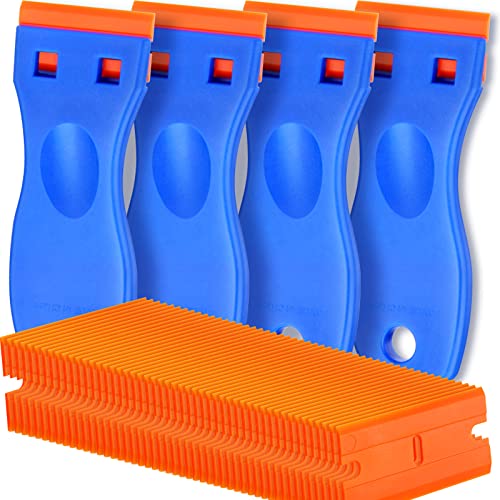
- Plastic paint scraper for wood floors
- Wood floor safe paint remover tool
- Microfiber mop with scrubbing pad for paint splatter
- Paint splatter remover tool for wood floors
- Angle scraper tool for removing dried paint on wood floors


Before You Start
Assess the finish on the wood floor (urethane, varnish, polyurethane, or wax). Work in a small, inconspicuous area to confirm the remover won’t dull the finish. Wear protective gloves and ensure good ventilation. Move furniture away and seal off the workspace if needed to prevent dust spread. Time estimates vary: lightweight splatters may take minutes, while large or multiple spots can require 30–60 minutes depending on the remover used. Never use harsh solvents on unfinished wood or on surfaces not rated for chemical cleaners.
Step-By-Step: How To Clean Paint Splatter Off Wood Floors
- Identify the paint type (water-based vs oil-based) and the floor finish to select a compatible approach.
- Gently remove fresh splatter with a damp cloth to avoid embedding pigments into the grain.
- For semi-dried spots, use a plastic paint scraper for wood floors at a low angle to lift the edge without gouging.
- If plastic scrapers fail, apply a wood floor safe paint remover tool to soften the residue following product directions.
- Use an angle scraper tool for removing dried paint on wood floors with careful, short strokes along the grain.
- Wipe away loosened material with a microfiber mop with scrubbing pad for paint splatter; rinse and repeat as needed.
- Finish by wiping with a damp cloth, then dry the area completely to prevent moisture damage.
- Apply a suitable floor polish or conditioner if the finish shows wear after removal.
Troubleshooting
| Symptom | Likely Cause | Fix | Prevention |
|---|---|---|---|
| Streaks or hazing after cleaning | Residual remover or over-wetting | Wipe with a damp clean cloth and dry thoroughly; re-wax or seal if needed | Test in a hidden area; use minimal remover |
| Finish dulls or scratches appear | Scraper or remover incompatible with finish | Switch to a compatible remover and use gentler tools | Always read product labels and perform spot test |
| Paint reappears after cleaning | Depth in the grain or porous wood | Apply a second pass with removal tool; consider professional refinishing for deep penetration | Address spills quickly in future |
| Moisture warping or soft spots | Excess moisture during cleaning | Dry the area completely; use minimal liquid near seams | Limit water exposure on wood floors |
Common Mistakes
- Using metal scrapers that can gouge wood
- Applying harsh solvents not labeled for wood floors
- Over-wetting the floor, leading to warping
- Skipping a test patch on a hidden area
- Waiting too long to start removal after splatter occurs
Tips For Best Results
- Work from the outer edges of a spill toward the center to prevent spreading.
- Always dry the area after cleaning to maintain finish integrity.
- Keep the floor’s finish and cleaning products compatible; check manufacturer guidance.
- Store tools clean and dry to avoid transferring grit back onto the floor.
- For repeated splatters, consider a protective mat or area rug in high-traffic zones.
Call A Professional
Call a pro if there is significant damage to the finish, uneven sheen, visible gouges, or if the paint is oil-based and deeply penetrated. Also seek professional help for large areas or when multiple remediation steps are needed across different rooms. If the floor is a historic or high-value finish, professional refinishing can preserve its look and longevity.
FAQ
Can I use heat to remove paint splatter from wood floors?
Heat can soften some paints, but it may also damage finishes or release fumes. Use only recommended methods for your floor type and avoid high heat unless specified by product instructions.
What if I don’t know the finish of my wood floor?
Test any cleaner in an inconspicuous area first. If unsure, consult the floor manufacturer’s guidelines or a flooring professional.
Is it safe to use water on wood floors during cleanup?
Small amounts of water are usually safe on sealed floors, but excessive moisture can cause warping. Wipe up moisture promptly and dry the area.
How long should I wait before applying a finish after cleaning?
Let the floor dry completely, typically 24 hours, before applying any polish or additional coating per product directions.
Buying Guide
Choosing the right tools for removing paint splatter from wood floors depends on finish type, stain intensity, and user comfort with hand tools. Consider the following factors to compare options effectively:
- Size and scope: For small kitchens, a basic scraper set may suffice; larger areas benefit from a dedicated remover tool and multiple scrapers.
- Surface compatibility: Ensure tools are labeled safe for wood floors; avoid metal blades on delicate finishes.
- Ease of use: Ergonomic handles and low-angle scrapers reduce the risk of gouging and user fatigue.
- Material efficiency: Microfiber mops with scrubbing pads pick up loose paint and residues without scratching.
- Repair considerations: After removal, you may need finish touch-ups; plan for polish or sealant compatible with your floor.
- Maintenance and storage: Clean and dry tools after use; store in a dry area to prevent rust or mildew.
- Cost vs coverage: Budget for a combination of a remover tool, scrapers, and a high-quality microfiber mop to cover typical home scenarios.
- Noise and mess: Some tools produce splatter; plan the work area with drop cloths and venting if needed.
Ready to tackle paint splatter in a practical, controlled way? With the right tools—including plastic paint scraper for wood floors, wood floor safe paint remover tool, a microfiber mop with scrubbing pad for paint splatter, a paint splatter remover tool for wood floors, and an angle scraper tool for removing dried paint on wood floors—homeowners can recover a flawless wooden surface without costly refinishing.