Yellow stains can appear from sweat, deodorant residue, food, or environmental factors. This practical guide walks through effective, common-sense methods to minimize or remove these stains from white clothes and upholstery using readily available household products.
Quick Answer
For stubborn yellow stains, start with an oxygen bleach powder or hydrogen peroxide booster on white fabrics, then treat perspiration stains with a stain remover pen and gentle abrasion. For upholstery, a handheld garment steamer can loosen deposits, followed by a fabric brush and booster treatment. Always test on a hidden area first and follow fabric care labels.
What You’ll Need
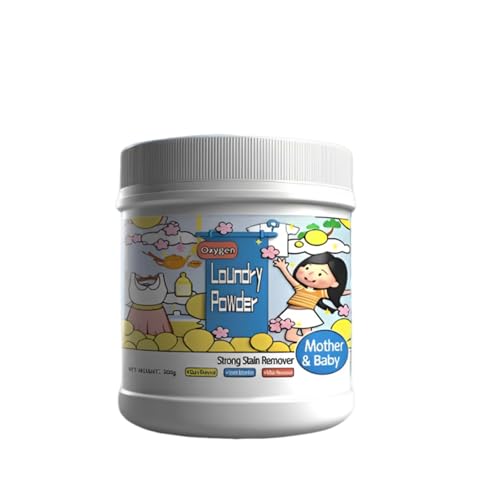
- Oxygen bleach powder for white clothes 2 lb stain remover
- Stain removing pen for yellow sweat underarm on shirts
- Fabric scrub brush nylon garment stain remover for clothes
- Handheld garment steamer for removing yellow stains on upholstery
- Laundry whitening booster with hydrogen peroxide 16 oz


Before You Start
Identify fabric type and care labels before applying any treatment. Test products on a hidden seam or hem to check for discoloration or fabric damage. For white cottons and durable synthetics, oxygen-based boosters generally work well; delicate fabrics may require gentler options. Act promptly—fresh stains respond better than set-in ones. For upholstery, ensure the fabric is steam-safe and avoid soaking the material excessively.
Time estimates vary: pre-treating stains may take 10–20 minutes, soaking 1–4 hours, and laundering or steaming 15–45 minutes depending on fabric and stain severity.
Step-By-Step: How To Remove Yellow Stains
- Identify the fabric and read the care label. If the fabric is bleach-sensitive, skip oxygen bleach and choose a gentler whitening option.
- Pre-treat the stain with the stain removing pen for yellow sweat underarm on shirts. Apply directly to the stain and allow a few minutes for the formula to penetrate.
- Prepare a treatment solution using the laundry whitening booster with hydrogen peroxide or the oxygen bleach powder according to package directions. Mix in a basin or bucket large enough to submerge the item if safe for the fabric.
- For white cottons or color-safe whites, soak the item in the solution for 30–60 minutes. If the stain persists, gently agitate with a nylon fabric scrub brush to lift the film without damaging fibers.
- Rinse thoroughly with clean water, then launder as usual. Use hot water if the fabric care label allows, and consider adding the booster to the wash cycle for extra whitening power.
- For upholstery with yellow stains, use a handheld garment steamer to loosen deposits, then lightly brush the area with the fabric scrub brush. If stains remain, apply a spot treatment with the stain remover pen or booster and let it dwell briefly before steaming again.
- Air dry in a well-ventilated area. Recheck the stain once dry; heat from a dryer can set residual stains, making them harder to remove.
- Repeat treatment if needed, prioritizing gentle handling to preserve fabric integrity.
Troubleshooting
| Symptom | Likely Cause | Fix | Prevention |
|---|---|---|---|
| Stain remains after first wash | Stubborn, set-in staining | Reapply stain remover pen, re-soak with booster, and launder again | Treat promptly; avoid prolonged staining time |
| Fabric color dulls after whitening | Over-bleaching or harsh chemical exposure | Switch to gentler options or reduce concentration | Test on hidden area before full application |
| Yellow tint on upholstery persists after steaming | Deep-set stain within fibers | Spot treat with booster and repeat steaming | Use protective fabric guard after treatment |
| Discoloration on delicate fabrics | Bleach damage | Discontinue oxygen bleach and switch to water-based cleaner | Always follow fabric care labels |
Common Mistakes
- Using hot water on protein-based stains like sweat, which can set them deeper.
- Applying bleach to non-white fabrics, which can cause yellowing or color loss.
- Over-soaking delicate fabrics, leading to fiber weakening or distortion.
- Rubbing stains aggressively with a stiff brush, which can abrade fibers.
Tips For Best Results
- Test any cleaner on a hidden area first to confirm colorfastness.
- Work from the outside of the stain inward to prevent spreading.
- Use the right temperature: hot for whites that tolerate heat, cool or lukewarm for delicate fabrics.
- Pair stain removal with a whitening booster for a brighter result, but do not exceed recommended usage.
- For persistent underarm yellowing on shirts, consider using a dedicated stain pen as a quick pre-wash treatment before laundering.
Call A Professional
Seek professional cleaning if stains cover large areas, fabrics are valuable or delicate (silk, wool, rayon), or if you notice color bleeding after treatment. If odors persist or if fabrics show signs of dye transfer, a professional may be able to restore without causing damage.
FAQ
Can oxygen bleach damage white cotton?
When used as directed, oxygen bleach is generally safe for white cotton fabrics, but always follow label instructions and test a hidden area first.
Will hydrogen peroxide whitening booster whiten all fabrics?
Hydrogen peroxide boosters work best on white or color-fast fabrics; always check care labels and test before use on colored garments.
Is a fabric scrub brush necessary?
A nylon fabric scrub brush helps lift surface deposits but should be used gently on delicate fabrics to avoid fiber damage.
How long should I let stain remover pen sit?
Typically a few minutes is sufficient, but follow the product directions for dwell time on tougher stains.
Can I use steam on all fabrics?
No. Check fabric care labels; steam can damage heat-sensitive materials like velvet, leather, or certain synthetics.
Is pre-soaking always needed for yellow stains?
Pre-soaking improves chances of removal for many stains, especially set-in or deodorant-related marks.
Buying Guide
When choosing products to tackle yellow stains, consider these factors to optimize results in a typical American household setting:
Size and Concentration
Visible quantities matter: choose smaller packets for light use or larger sizes for frequent stain removal. Concentrated formulas allow stronger action with less product per use.
Whitening Power and Safety
Look for trusted whitening boosters that include hydrogen peroxide or oxygen-based cleaners. Confirm that the product is safe for white fabrics and compatible with common materials used in the home.
Control And Application
Stain remover pens offer precise spot treatment, perfect for underarm yellowing. For broader stains, liquid boosters and oxygen powders provide even coverage when soaking or washing.
Noise, Energy, And Convenience
Handheld steamers offer quick, low-noise help for upholstery without a full cleaning machine. Consider models that balance power with portability for simple home use.
Placement And Usage Scenarios
Keep whitening boosters with your laundry supplies and the pen in a convenient spot near the laundry room. For upholstery, store a fabric scrub brush and a compact steamer within easy reach for spot cleaning as soon as stains appear.
Multi-Product Synergy
Using a combination of an underarm stain pen, an oxygen-based booster, and a gentle scrub brush provides a layered approach to most yellow stains, offering flexibility across fabrics and surfaces.