Cleaning bamboo cutting boards properly helps extend their life, prevent cross-contamination, and keep surfaces safe for food preparation. This guide provides practical steps, tool recommendations, and maintenance tips tailored to bamboo boards commonly used in American kitchens.
Following a routine that includes immediate cleaning after use, regular oiling, and periodic conditioning will maintain the board’s appearance and performance without harsh chemicals.
Quick Answer
Best routine: rinse with warm water, use a gentle soap, scrub with a soft-bristled brush, rinse well, air-dry standing upright, then apply a natural board conditioner. Avoid soaking or dishwasher use.
What You’ll Need
- bamboo cutting board cleaning brush with scrubber
- silicone board scraper for cleaning cutting boards
- food-grade mineral oil for cutting boards bamboo
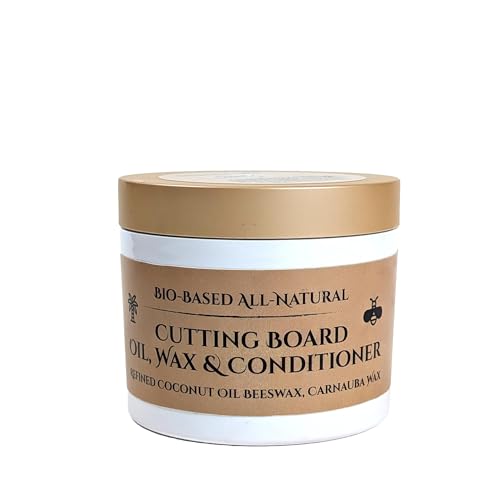
- beeswax mineral oil board conditioner for bamboo cutting boards
- cutting board cleaner soap bamboo board safe


Before You Start
Prepare a clean, dry workspace. Use hot water cautiously—extremely hot water can warp bamboo over time. Work in a well-ventilated area and keep detergents away from children. Time estimate: 5–10 minutes per cleaning cycle, plus seasonal conditioning.
Safety notes: never put bamboo boards in a dishwasher, and avoid soaking in water for extended periods. Dry promptly to prevent moisture absorption that could cause warping or cracking.
Step-By-Step: How To Clean A Bamboo Cutting Board
- Rinse the board under warm running water to remove loose food particles.
- Apply a small amount of cutting board cleaner soap bamboo board safe to a damp sponge or cleaning brush.
- Scrub the surface with a bamboo cutting board cleaning brush with scrubber to lift residues without scratching the wood.
- Use a silicone board scraper for cleaning cutting boards to remove stubborn bits from edges and corners.
- Rinse thoroughly with clean water, ensuring all soap is removed.
- Pat dry with a clean towel and stand the board on its edge to air dry completely.
- Once dry, apply a thin layer of food-grade mineral oil for cutting boards bamboo or a combination with beeswax mineral oil board conditioner for bamboo cutting boards.
- Let the oil soak in for 20–30 minutes, then wipe off any excess with a soft cloth.
- Store upright in a dry, well-ventilated area to promote airflow and prevent moisture buildup.
- Schedule monthly maintenance during peak use seasons or as needed to keep the wood hydrated and sealed.
- For deep cleaning or odor control, repeat the process and consider a periodic conditioning treatment every 1–3 months.
- Inspect regularly for cracks or warping; address promptly to prevent further damage.
Troubleshooting
| Symptom | Likely Cause | Fix | Prevention |
|---|---|---|---|
| Dull or rough surface | Surface buildup or dry wood | Clean, then condition with mineral oil and beeswax blend | Regular oiling every 1–2 months |
| Odor after use | Food particles trapped in pores | Deep clean with scrub brush and soap, then condition | Rinse and dry promptly; avoid soaking |
| Warping or cracking | Excessive moisture or improper drying | Dry immediately after washing; store upright | Do not soak; use conditioning to maintain moisture balance |
| Discoloration | Staining from foods like turmeric or beets | Stain removal with mild soap and gentle scrubbing; condition later | Avoid prolonged contact with strong pigments; rotate boards |
| Residual soap scent | Soap not fully rinsed | Rinse thoroughly and air dry | Rinse with clean water after washing |
Common Mistakes
- Soaking bamboo boards in water for extended periods
- Using harsh detergents or abrasive scrubbers that scratch the surface
- Dishwashing or placing boards in the dishwasher
- Skipping drying and storage in closed, humid spaces
Following best practices helps preserve surface integrity and reduces bacterial buildup on bamboo surfaces.
Tips For Best Results
- Oil immediately after drying to maintain moisture levels in the bamboo fibers.
- Alternate boards used for different foods (e.g., meat and produce) to minimize cross-contamination.
- Choose beeswax mineral oil board conditioner for bamboo cutting boards for longer-lasting sealing.
- Use a dedicated bamboo cutting board cleaning brush with scrubber to avoid cross-use with other kitchen tools.
- Store boards upright to ensure even drying and reduce humidity pockets.
Call A Professional
Contact a professional if the board develops deep cracks, warps dramatically, or shows persistent, unremovable odors after thorough cleaning and conditioning. Seek help if the board has visible mold growth, a topic that requires licensed guidance and safe remediation.
FAQ
Can I put a bamboo cutting board in the dishwasher?
No. Dishwashers expose bamboo to excessive moisture and heat, which can cause warping and cracking.
How often should I oil a bamboo board?
Oil the board every 1–2 months during normal use, and more often if it looks dry.
What oil is best for bamboo cutting boards?
Food-grade mineral oil is commonly used; some prefer blends with beeswax for extra conditioning.
Is it safe to use vinegar on a bamboo board?
Vinegar can be used for cleaning, but it is best diluted and followed by thorough rinsing and drying to avoid moisture damage.
Buying Guide
When choosing cleaning and maintenance supplies for bamboo cutting boards, consider size, odor control, and compatibility with bamboo. The following factors help compare products effectively:
- Size and surface area: Smaller boards require less frequent maintenance, while larger boards benefit from more thorough cleaning tools.
- Noise level: Kitchen tools such as brushes and scrapers vary in sound; look for quiet, comfortable-grip designs for daily use.
- Energy and materials: Food-grade mineral oil-based conditioners are common; blends with beeswax offer longer sealing power.
- Controls and packaging: Look for clearly labeled, food-safe products with simple application steps.
- Placement and storage: A dry, ventilated area supports drying and maintenance; consider a rack or stand for upright storage.
Cross-check the listed product keywords to ensure you have compatible tools for cleaning, conditioning, and maintenance. For example, a bamboo cutting board cleaning brush with scrubber pairs well with a silicone board scraper for cleaning cutting boards, while food-grade mineral oil for cutting boards bamboo and beeswax mineral oil board conditioner for bamboo cutting boards offer robust conditioning solutions. A dedicated cutting board cleaner soap bamboo board safe ensures safe cleaning of the board surface without harsh chemicals.