Maintaining clean sous vide gear helps ensure precise temperatures, consistent cooking results, and longer equipment life. This practical guide walks through safe cleaning practices for immersion circulators, containers, and related accessories used in home kitchens across the United States.
Readers will find a clear workflow—from quick daily upkeep to more thorough periodic deep cleaning—plus troubleshooting tips, common mistakes to avoid, and a buyer’s guide to keep your setup dependable and efficient.
Quick Answer
Regular wipe-down after use, a brief descaling routine for mineral buildup, and a dedicated cleaning kit for accessories keep sous vide systems running smoothly. Use manufacturer-approved products and avoid harsh solvents near electronics. A gentle brush and mild soap are usually enough for routine care.
What You’ll Need
- immersion circulator descaler tablets
- sous vide cleaning brush
- descaling solution for sous vide immersion cooker
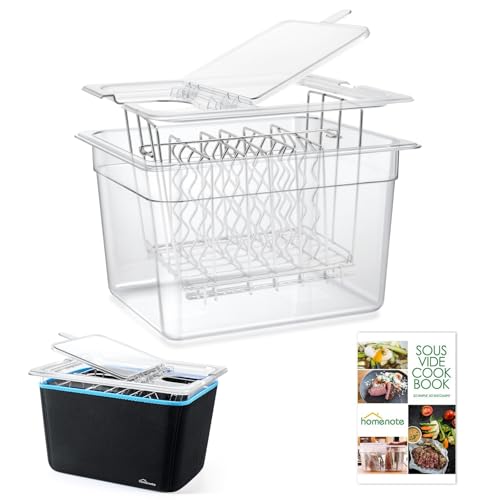
- sous vide container cleaning kit
- vacuum sealer maintenance kit


Before You Start
Before diving into cleaning, unplug the device and remove any food residue. Read the user manual for any model-specific cautions. Use a clean, soft cloth to wipe surfaces and avoid abrasive scrubbers that can scratch finishes. Allow the unit to cool before handling exposed electronics. For mineral-rich water, plan for a longer descaling session to dissolve scale buildup. Time estimates vary: a routine wipe-down takes a few minutes, while descaling may require 15–30 minutes plus drying time.
Cautions: Never immerse the entire immersion circulator in water unless the manual allows it. Keep descaling solutions away from heating elements and cords. Always dry thoroughly to prevent corrosion or electrical issues.
Step-By-Step: How To Clean Sous Vide Equipment
- Unplug the immersion circulator and detach it from the container if the design allows.
- Rinse all edible residues from the water bath container with warm water and mild dish soap.
- Apply a small amount of cleaning solution to a soft scrub brush and gently scrub the interior walls of the container.
- Rinse the container thoroughly and dry with a lint-free cloth.
- Prepare a descaling solution per the tablet or liquid instructions and run a hot water cycle in the immersion circulator to loosen mineral deposits on the heating element and probes.
- Let the solution sit as directed, then use the sous vide cleaning brush to target stubborn scale around the joints and fittings.
- Rinse again, ensuring no cleaning residue remains near the temperature sensor or seals.
- Wipe the exterior of the immersion circulator with a damp cloth; dry completely before reassembly.
- Inspect the seals on the container and vacuum sealer frequently; replace worn gaskets if needed.
- Clean and inspect vacuum sealer seals and rolling surfaces with a dedicated maintenance kit as recommended by the manufacturer.
- Run a short test cycle with water only to verify stability and even heating after cleaning.
- Document any unusual performance changes and store cleaning supplies in a dry, accessible spot.
Troubleshooting
| Symptom | Likely Cause | Fix | Prevention |
|---|---|---|---|
| Unit not heating | Descale buildup around the heating element | Run a proper descaling cycle per manual | Regular descaling; use soft water |
| Uneven water temperature | Sensor or probe covered with residue | Clean sensors with damp cloth; avoid harsh scrubs | Wipe down after each use |
| Leaks around seals | Worn or dirty seals | Inspect and replace seals; clean edges | Periodic seal checks |
| Odor in water bath | Residual cleaning agents or old food debris | Rinse thoroughly; run plain water cycle | Clean promptly after each use |
Common Mistakes
- Using abrasive cleaners that scratch containers or probes
- Submerging electronic components not rated for immersion
- Skipping the drying step after cleaning, leading to corrosion
- Mixing different descalers or using excessive concentrations
- Neglecting regular maintenance on vacuum sealer components
Tips For Best Results
- Schedule routine cleanings in line with usage: more frequent cycles for hard water environments.
- Label and separate cleaning supplies to avoid cross-contamination with food-grade tools.
- Keep a dedicated brush for the container interior to prevent scratches on the heating surfaces.
- Use manufacturer-approved descaling products to protect seals and electronics.
- Store equipment in a cool, dry area away from direct sunlight to minimize degradation.
Call A Professional
Consider professional service if the immersion circulator shows persistent overheating, unusual alarms, or water leaks despite cleaning. Stop using the device if electrical components appear damaged or if there is visible corrosion. For warranty-covered issues, contact the manufacturer or an authorized repair center.
FAQ
How often should I descale my sous vide setup?
Descale based on water hardness and usage; in hard water areas, every 1–2 months is common, or more often if you notice scale buildup.
Are descaling tablets safe for my sous vide equipment?
Yes, when used as directed by the manufacturer and followed with thorough rinsing.
Can I clean the vacuum sealer with the same kit?
Yes, but use dedicated maintenance components for seals and rollers to extend life.
Is it okay to soak the immersion circulator in water?
Only if the manual explicitly allows it; typically, most models should not be submerged beyond recommended limits.
What daily clean routine works best after cooking?
Wipe the exterior, rinse and dry the container, and promptly remove any residues from the lid, seals, and gaskets.
Should I use lemon juice or vinegar for descaling?
Prefer manufacturer-approved descaling solutions; frequent use of acidic household items can degrade seals over time.
How do I know if my seals need replacement?
Visible wear, cracking, or loss of airtight seal indicates replacement is needed.
Buying Guide
When choosing sous vide cleaning tools and accessories, consider size, compatibility, and material quality. The right set should fit your immersion circulator and container, while offering durable brushes and reliable descaling options. Look for kits designed for kitchen appliances and verify that cleaning products are compatible with stainless steel and food-grade plastics. Easy-to-use descalers, a dedicated cleaning brush, and a maintenance kit for the vacuum sealer create a cohesive, long-lasting system. If storage space is limited, select compact, all-in-one kits that minimize clutter without sacrificing efficacy.
Conclusion Notes
This guide provides a practical, step-by-step approach to keeping sous vide equipment clean and performing at its best. Following the outlined practices helps protect electronics, extend equipment life, and ensure reliable cooking results. For ongoing maintenance, establish a routine that matches your usage pattern and water quality, and keep the recommended tools on hand for quick, effective cleanups.