Dealing with intrusive tree roots can protect your sidewalks, plumbing, and landscape from damage. This practical guide covers safe, effective methods for removing or managing roots while minimizing harm to the tree and surrounding areas. Readers will learn about tools, planning, and step-by-step procedures to address root issues in residential yards.
Quick Answer
For minor root intrusion, use a root cutting saw and a garden shovel to trim and carefully remove exposed roots, then install a root barrier to prevent regrowth. For larger or underground roots, a professional approach with specialized tools like an air spade or stump grinder can be more effective and safer. Always assess tree health before aggressive actions to avoid harming the tree.
What You’ll Need
- Two sturdy gloves and eye protection
- Root cutting saw for cutting tree roots
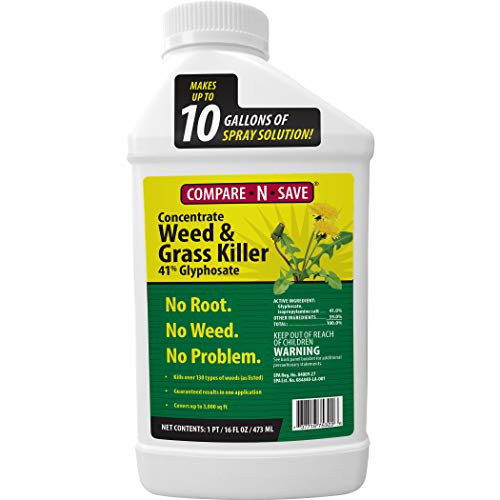
- Glyphosate-based tree root killer concentrate 1 gallon (for selective chemical control, if permitted in your area)
- Stump grinder machine for tree root removal
- Underground root barrier landscape fabric for trees
- Air spade root removal tool


Before You Start
Plan the work around weather and the tree’s health. Identify the extent of the root system disturbing structures or pipes. Safety first—protect airways, avoid cutting near power lines, and work slowly to prevent sudden ground shifts. Clear the work area, mark utilities, and consider soil conditions; compacted soil can hinder root extraction. Estimate a work window of a few hours for small projects or multiple days for extensive root systems. If in doubt, consult a certified arborist.
Step-By-Step: How To Manage And Remove Tree Roots
- Assess the problem: determine which roots cause damage and whether they are actively growing or dead. Decide between pruning, removal, or barrier methods.
- Prepare the area: remove turf or mulch to expose roots, then spray or cut away non-essential branches that might hinder access.
- Cut exposed surface roots: use a root cutting saw to remove light, interfering roots close to structures. Avoid cutting large, structural roots abruptly.
- Use the air spade for deeper work: an air spade can efficiently expose and loosen roots without excessive force, reducing soil disruption.
- Apply selective treatment (if appropriate): apply glyphosate-based tree root killer concentrate strictly to the cut surfaces following label directions and local regulations.
- Remove or relocate the root system: for smaller roots, prune and remove; for larger systems, use a stump grinder machine to grind the root mass down to below soil level.
- Install a root barrier: place underground root barrier landscape fabric for trees to redirect future root growth away from critical areas and reduce recurring damage.
- Backfill and stabilize: replace soil in layers, tamping lightly to avoid air pockets; reseed or resod as needed.
- Monitor the tree: check for signs of stress, such as wilting or leaf drop, and water adequately during recovery. Do not remove more than 30–40% of the root zone in a single session without professional guidance.
- Plan long-term maintenance: schedule periodic inspections to catch new root intrusions early and consider recurring barrier placement or selective pruning as needed.
- Dispose of debris responsibly: haul away removed roots and wood chips or reuse them as mulch where appropriate.
Troubleshooting
| Symptom | Likely Cause | Fix | Prevention |
|---|---|---|---|
| Tree shows rapid stress after root work | Over-pruning or excessive root removal | Limit work to safe proportions; pause and water deeply | Schedule professional assessment before aggressive steps |
| Roots regrow near repaired areas | Underground pathways not fully addressed | Extend root barrier and remove failing sections | Install a robust barrier and monitor growth |
| Sagging soil or sinkholes | Soil displacement during root removal | Backfill gradually, compact lightly, add soil amendments | Proceed in stages with professional guidance |
| Pipes or utilities damaged during removal | Roots encroaching on infrastructure | Call utility locator, pause work, and reassess plan | Plan routes around utilities from the start |
Common Mistakes
- Removing too many roots at once, risking tree health
- Relying solely on chemical treatments without mechanical removal when needed
- Neglecting proper safety gear and utility checks
- Underestimating the importance of a barrier to control future growth
Tips For Best Results
- Use the air spade to minimize soil disruption while exposing roots
- Target only the roots causing damage; avoid indiscriminate cutting
- Coordinate with local regulations regarding chemical treatments and protected species
- Combine mechanical removal with a long-term root barrier to reduce recurrence
- Document the project with photos for future reference and maintenance planning
Call A Professional
Significant root systems or trees near structures may require professional intervention. Call a certified arborist if you encounter large, dense networks, structural instability, or if the tree’s health appears compromised. Immediate professional help is advised if utilities or foundations are at risk or if you notice cracks widening after work.
FAQ
When should I consider using a stump grinder for roots?
Use a stump grinder for large, stubborn root masses that cannot be removed safely by hand. It is most effective after roots near structures have been cut and ground to below soil level.
Is glyphosate safe around trees?
Glyphosate should be used cautiously and only on targeted cut surfaces according to label directions and local regulations to prevent unintended damage to the tree or surrounding plants.
Will root barriers stop all root growth?
Root barriers can reduce future intrusion but may not stop all growth; regular maintenance and monitoring are still recommended.
Can I perform root removal myself?
For minor issues, DIY work is possible with the right tools and safety measures. For extensive root systems or near utilities, hire a professional.
How long does it take for a tree to recover after root work?
Recovery time varies by species and extent of work, typically weeks to months with proper watering and care.
Should I prune or remove damaged roots first?
Prune damaged roots to reduce stress, then reassess the tree’s stability before removing additional roots.
Buying Guide
Choosing the right approach to manage root intrusions involves several considerations. Potential buyers should weigh root management goals, tree health, and site conditions. How large is the root network, and how close are structures or utilities? What is the soil type, moisture level, and drainage? The following factors help compare options effectively:
- Size and scope — For small, surface-level roots, manual tools may suffice; deeper and broader root systems may require machines like a stump grinder or specialized equipment.
- Noise level — Gas-powered grinders and air spades produce significant noise; plan work during appropriate hours and consider neighbors.
- Energy efficiency — Electric tools are quieter and more energy-efficient for smaller jobs; gas tools offer more power for large projects.
- Controls and ease of use — Look for tools with intuitive handles, safety features, and straightforward maintenance requirements.
- Placement and access — Consider available space to maneuver equipment safely and avoid damaging landscaping or foundations.
- Safety features — Protective gear, shutoff mechanisms, and utility awareness features are essential for safe operation.
- Maintenance requirements — Availability of replacement parts and service support can affect long-term costs and downtime.
In summary, selecting the right combination of tools and barriers depends on the specific site conditions and maintenance goals. A balanced approach often combines controlled mechanical removal with preventive barriers to manage future growth, while keeping tree health as a priority. Ready access to the right equipment, safety precautions, and professional consultation when needed will help ensure a successful, long-lasting outcome for residential landscapes.