Patio tiles can brighten outdoor living spaces, but dirt, algae, and ground-in grime require the right approach. This guide provides practical, step-by-step instructions to clean patio tiles using common outdoor cleaning tools while protecting the surfaces and surrounding areas.
Cleaning outdoor tile surfaces can be straightforward when the right equipment is used and the surface is prepped correctly. Below is a practical plan that covers tools, safety, and the step-by-step process to restore the look of patio tiles.
Quick Answer
Use a high-pressure approach with a suitable attachment to blast away dirt, followed by a thorough rinse. For stubborn grout, combine a stiff brush with a focused cleaning solution. Always test a small area first and protect nearby plants or brickwork.
What You’ll Need
- Electric pressure washer 2000 psi turbo nozzle for patio tiles
- Stiff nylon grout brush for outdoor patio tiles
- Angled-handle deck scrub brush for tile cleaning
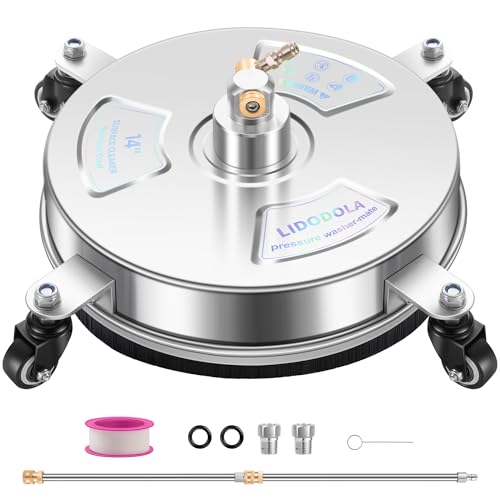
- Pressure washer surface cleaner attachment for patio tiles
- Extension pole for pressure washer and cleaning tools outdoor


Before You Start
Assess the tile type and existing sealant. Remove loose debris with a broom or blower. Protect nearby plants, shrubs, and delicate surfaces from overspray. Wear eye protection and gloves, and avoid using a high-pressure setting on delicate stone. Time estimate: 60–180 minutes depending on square footage and staining. Critical cautions include avoiding chlorinated bleach on natural stone and never using metal brushes on glazed tiles, which can scratch the surface.
Step-By-Step: How To Clean Patio Tiles
- Protect a perimeter with tarps or plastic sheeting to catch spray and runoff.
- Attach the pressure washer surface cleaner attachment for patio tiles to the electric pressure washer for even, wide-area cleaning.
- Fill a bucket with a mild detergent solution or a cleaner formulated for outdoor tile grout, following product directions.
- Begin at one corner and rinse the surface with the electric pressure washer 2000 psi turbo nozzle for patio tiles, keeping the nozzle moving to avoid gouging.
- For grout lines, switch to the stiff nylon grout brush for outdoor patio tiles and scrub in a 45-degree angle to lift embedded grime.
- Use an angled-handle deck scrub brush for tile cleaning for stubborn stains and easier reach along edges and corners.
- Rinse thoroughly with the surface cleaner or the spray wand to remove loosened dirt and cleaning solution residue.
- If stains persist, repeat the brushing and rinsing steps on affected areas, then allow the surface to dry completely.
- Inspect grout lines after drying; spot-clean any remaining discolored grout using a stiff brush and a grout cleaner if needed.
- Reassess nearby planters and furniture, ensuring no cleaner residue remains on plants or metal surfaces that could cause staining or corrosion.
- Re-seal or re-wax if the tile is previously sealed and shows wear; follow manufacturer guidance for sealing frequency and products.
Troubleshooting
| Symptom | Likely Cause | Fix | Prevention |
|---|---|---|---|
| Fading or mottled appearance after cleaning | Improper sealer or cleaner interaction | Rinse thoroughly and re-seal with a compatible product | Test a small area before wider application |
| Scratches on tile surface | Metal brush or aggressive nozzle | Switch to a plastic-bristle brush and use appropriate nozzle | Use gentler tools on delicate tiles |
| Excess water pooling | Improper drainage or uneven surface | Reroute runoff and use a surface cleaner for even cleaning | Inspect and correct slope if needed |
| Stubborn grout staining | Deep-set grime | Apply grout cleaner and scrub with stiff brush; repeat | Regular maintenance to prevent buildup |
Common Mistakes
- Using too high pressure on delicate tiles can cause chipping or etching.
- Neglecting edges and corners where dirt accumulates.
- Rinsing unevenly, leaving cleaner residue that may attract more dirt.
- Using aggressive scrubbers on glazed surfaces, leading to scratches.
- Skipping safety gear or protecting plants and outdoor furniture.
Tips For Best Results
- Test cleaning products on a hidden area to ensure no color change or damage.
- Work in shaded areas to prevent rapid drying and streaking.
- Maintain a steady, overlapping pattern with the surface cleaner for uniform results.
- Clean grout annually or after heavy use to prevent deep-set grime.
- Inspect seals and reapply as needed to protect tile surfaces from moisture and staining.
Call A Professional
Consider a professional if tiles are heavily stained, cracked, or if the surface requires specialized sealants. Stop and contact a pro if you notice chipped edges, efflorescence, or persistent mold growth that resists standard cleaning methods.
FAQ
What type of cleaner should I use on patio tiles?
Use a cleaner formulated for outdoor tile and grout, following the product’s instructions. Avoid harsh chemicals that could damage the tile or surrounding plants.
Can I use a regular household pressure washer on patio tiles?
Yes, but use a turbo nozzle and a surface cleaner attachment to prevent streaking and edges from becoming damaged.
How should I protect plants during cleaning?
Cover plants and run the spray away from them; rinse the area thoroughly to remove any cleaner that could drift onto vegetation.
How often should patio tiles be cleaned?
Frequency depends on climate and foot traffic; typically once or twice a year, plus spot cleaning after heavy staining.
Do I need to seal patio tiles after cleaning?
Sealing is often recommended, especially for porous or unglazed tiles. Follow product guidance for timing and reapplication.
Buying Guide
When choosing tools for cleaning patio tiles, consider size, noise, and power. A 2000 psi electric pressure washer with a turbo nozzle provides strong cleaning without excessive noise. For large surfaces, pair the washer with a pressure washer surface cleaner attachment for patio tiles to improve efficiency and reduce streaks. A stiff nylon grout brush is essential for grout lines, while an angled-handle deck scrub brush helps reach corners and vertical edges. An extension pole for pressure washer and cleaning tools outdoor extends reach and reduces ladder use. Think about sealant compatibility and whether the surface is sealed or porous, as this affects cleaning and re-sealing needs. Noise level, maintenance requirements, and storage space are practical considerations for regular use. For best results, prioritize compatible, purpose-built attachments and tools that minimize surface wear while delivering thorough cleaning. How you place and store equipment also matters for quick, repeatable cleaning sessions.