Maintaining a guitar’s fretboard extends instrument life and keeps playability smooth. This guide covers safe cleaning methods, common products, and step-by-step instructions suitable for most rosewood and maple boards found on American-made guitars.
Quick Answer
Remove loose dust with a dry brush, apply a conditioning oil or cleaner sparingly, wipe away residue with a microfiber cloth, and re-polish the surface. Use a fretboard scraper only if necessary to lift stubborn grime; always avoid soaking the wood.
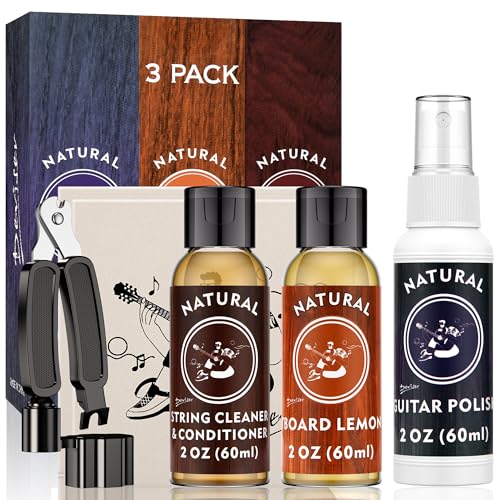
What You’ll Need
- guitar fretboard cleaner with oil kit
- nylon fretboard cleaning brush for guitars
- rosewood fretboard conditioner oil 2 oz
- microfiber polishing cloth for guitar fretboard
- fretboard scraper tool for guitar care


Before You Start
Prepare a clean, dust-free workspace and lay down a soft cloth to protect the guitar’s body. Work in a well-ventilated area and keep liquids away from electronics and the guitar’s finish. For most players, conditioning the fretboard every 3–6 months is sufficient, depending on humidity and playing style. Do not apply too much cleaner or oil, as excess residue can attract dust and affect playability.
Time estimate: 15–30 minutes for a thorough routine. If the fretboard shows severe grime or simulated wear, allocate additional time for extra passes with the scrub brush and oil.
Step-By-Step: How To Clean Fretboard
- Loosen strings to reduce tension and elevate the neck slightly for easier access to the fretboard.
- Wipe the fretboard surface with a dry microfiber cloth to remove loose dust and oils.
- Gently brush the fretboard with the nylon fretboard cleaning brush, working along the grain to lift embedded grime.
- For deeper grime, apply a small amount of guitar fretboard cleaner with oil kit onto the cloth or brush, avoiding metal parts and inlays.
- Let the cleaner sit briefly, then wipe with a clean, dry microfiber cloth to remove loosened residue.
- Apply a light coat of rosewood fretboard conditioner oil 2 oz onto a new microfiber cloth and rub evenly across the board, working from the neck joint toward the headstock.
- Wait a moment for the oil to absorb, then buff the surface with a dry cloth until the wood gleams without excess oil.
- If stubborn grime remains, use the fretboard scraper tool carefully to lift surface buildup from between frets, avoiding contact with the fret tops.
- Re-tension strings or replace strings for a fresh setup if the playability feels different after cleaning.
- Inspect the fret ends for sharp edges and gently smooth them with the scraper if needed, taking care not to gouge the wood.
- Finish with a final wipe using a clean microfiber cloth to remove any remaining oil and dust.
Troubleshooting
| Symptom | Likely Cause | Fix | Prevention |
|---|---|---|---|
| Oil streaks or residue | Too much conditioner or oil | Wipe with a clean cloth and remove excess; apply sparingly next time | Use minimal amount per application |
| Sticky fretboard after cleaning | Residual cleaner/oil | Re-wipe with a dry microfiber cloth | Ensure complete removal of cleaner and oil |
| Rough feel or raised grain | Dry or over-brushed board | Gentle re-wipe and light re-oiling; avoid over-brushing | Brush lightly and evenly |
| Fret ends loose or sharp | Wear or improper filing | Professional fret dressing if needed | Regular cleaning to minimize buildup |
Common Mistakes
- Using excessive liquid cleaners near pickups and electronics
- Oiling more than a light film on rosewood boards
- Scrubbing aggressively with metal tools or hard brushes
- Neglecting to wipe off excess oil after application
Tips For Best Results
- Choose a dedicated guitar fretboard cleaner with oil kit that matches your board type
- Test cleaner on a small, inconspicuous area first
- Always brush with the grain to reduce scratch risk
- Perform conditioning only after any deep cleaning is complete
- Maintain humidity around 40–60% to minimize fretboard drying or swelling
Call A Professional
Seek professional help if the fretboard shows deep cracks, severe cracking, or signs of finishing damage. If a board is severely warped or if you cannot safely access the board due to electronics or hardware, contact a qualified guitar technician or luthier.
FAQ
What type of fretboard needs conditioner oil?
Rosewood and ebony boards benefit from conditioning oils; maple boards typically require less oil but can benefit from a light wipe to remove dryness.
Can I use household cleaners to clean a fretboard?
No. Household cleaners can damage the wood finish and affect playability; use products designed for guitars only.
How often should I clean my fretboard?
Depending on use and climate, a light cleaning every 1–3 months is common; deeper cleaning and conditioning every 3–6 months may be appropriate.
Is it safe to clean a guitar with the strings on?
It is safer to loosen and move the strings to access the fretboard, but you can clean around them with care if you keep liquids away from the pickups.
What’s the best way to store conditioning oil?
Keep oil in a cool, dry place with the cap tightly closed to maintain its consistency and effectiveness.
Buying Guide
Choosing the right fretboard care kit involves several factors. Size matters for easy handling and storage; a compact kit with a 2 oz bottle of conditioner is often sufficient for multiple setups. Noise and energy concerns are irrelevant here, but product quality matters—look for non-toxic, fast-acting formulas. Controls include compatibility with rosewood versus maple boards, and any included brushes or scrapers should be gentle on wood. Placement means storing tools within easy reach on a clean workbench or guitar case; keep solvents away from electronics and finishes. When comparing kits, consider the balance of cleaner with oil, the presence of a nylon brush, and whether a microfiber cloth is included for a flawless finish. Would you like a quick checklist to compare options side-by-side? This guide aims to help you pick a kit that keeps your fretboard clean, moisturized, and ready to play.