Carpet edges along baseboards, stairs, and room transitions can trap dirt, dust, and pet hair. Cleaning these areas often requires specialized tools that reach tight corners and narrow gaps without damaging the carpet or wall. This guide outlines a practical, consumer-friendly approach to removing grime from carpet edges using common tools and targeted techniques.
Quick Answer
Use a narrow gap tool or stair edge cleaner to reach along baseboards, combine with a brush or scrub tool for stubborn stains, and finish with a light vacuum to lift loosened debris. For tight corners, leverage a carpet edge cleaning tool crevice vacuum attachment or a dedicated carpet edging scrub brush nylon bristles to avoid stretching or tearing the fibers.
What You’ll Need
- carpet edge cleaning tool crevice vacuum attachment or a narrow gap carpet edge cleaning tool
- stair carpet edge cleaner brush for stair treads and risers
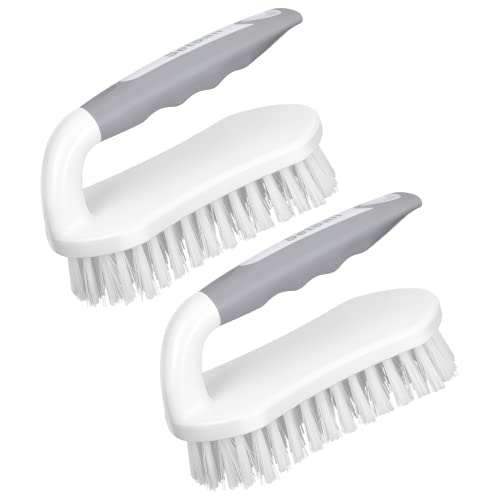
- carpet edging scrub brush nylon bristles for scrubbing along edges
- carpet edge stain remover brush tool to treat stubborn spots
- Vacuum with a hose attachment and a clean cloth or sponge
- Optional: cotton swabs or small brushes for corners and vertical edges


Before You Start
Clear the area and protect nearby furniture with drop cloths or towels. Test any cleaning product on a hidden corner to ensure colorfastness. If furniture is heavy, move it away from the cleaning zone. Plan for extra time if cleaning stairs, as edges and risers require careful handling. Always unplug power tools when switching attachments and follow manufacturer instructions for your vacuum and brushes.
Step-By-Step: How To Clean Carpet Edges
- Prep the edge area by brushing away loose dust with a dry brush or the vacuum hose.
- Attach the carpet edge cleaning tool crevice vacuum attachment to the vacuum and set it to a moderate suction.
- Slowly run the attachment along baseboards, ensuring the nozzle corners the wall without scratching paint or trim.
- Switch to the stair carpet edge cleaner brush for stair treads and the riser edges, scrubbing in small, vertical motions.
- For stubborn stains, apply the carpet edge stain remover brush tool directly to the spot and work it in with the nylon bristles of the carpet edging scrub brush nylon bristles.
- Use a damp cloth to wipe away loosened dirt as you go, then vacuum the area again to remove remaining particles.
- Repeat on any other edges in the room, paying attention to corners where walls meet carpet.
- Inspect the cleaned edges under good lighting and address missed spots with a targeted brush or corner tool.
- Finish by vacuuming the entire carpet edge line to lift loosened fibers and restore appearance.
Troubleshooting
| Symptom | Likely Cause | Fix | Prevention |
|---|---|---|---|
| Edge still looks dirty after cleaning | Deep-set stains or high traffic | Spot-treat with carpet edge stain remover brush tool and re-clean | Spot clean more frequently, use protective edging mats |
| Edges fray or fiber damage | Scrubbing with excessive pressure | Use lighter strokes and a softer brush | Choose appropriate nylon bristles and avoid metal attachments |
| Gaps along wall remain damp | Over-wetting or improper drying | Wipe with a dry cloth and allow to air dry | Limit moisture and dry quickly after cleaning |
| Vacuum suction decreases | Clogged attachment or debris buildup | Clean the attachment nozzle and filter | Regular maintenance after edge-cleaning sessions |
Common Mistakes
- Using overly aggressive brushes on delicate carpet fibers
- Rushing along edges without keeping the attachment flat to the carpet
- neglecting to test cleaners on a hidden area first
- Forgetting to vacuum the area after scrubbing, leaving loosened debris behind
Tips For Best Results
- Work methodically from one edge to the next to avoid missed spots and re-dirtied sections.
- Keep the attachment’s edge perpendicular to the wall for better contact and fewer scrapes.
- Use a two-step approach: first dislodge dirt with a scrub brush, then capture particles with the crevice vacuum attachment.
- For tight corners, consider attaching a smaller nozzle or switch to a hand-held brush designed for crevices.
- Schedule periodic edge-cleaning to maintain a crisp, clean carpet line and prevent buildup.
Call A Professional
Seek professional help if edges show persistent staining, significant fraying, or if the area adjacent to electrical outlets or heating vents requires special care. Stop cleaning and contact a pro if you notice backing or padding exposed, or if moisture lingers after cleaning, which could lead to mold or mildew.
FAQ
Can I use any brush on carpet edges?
Prefer brushes with nylon bristles and soft profiles designed for carpet fibers to avoid damage.
What if my stairs have wall-to-wall carpet?
Use a stair-specific edge tool and work in vertical motions along the risers and treads.
How often should I clean carpet edges?
Frequency depends on traffic, but a quarterly edge-cleaning session helps maintain appearance between full cleanings.
Are there any safe cleaners for carpet edges?
Use cleaners labeled safe for carpets and test in a hidden area before applying widely.
Should I vacuum before or after edge cleaning?
Vacuum before to remove loose dirt, then scrub the edges and vacuum again to lift dislodged particles.
Is it necessary to dry the edges after cleaning?
Yes, ensure edges are dry to prevent mold and fiber damage; use fans or natural air flow if needed.
Buying Guide
When selecting tools for cleaning carpet edges, consider how wide and awkward the target area is, as well as the carpet fiber type. Look for a carpet edge cleaning tool crevice vacuum attachment that can reach tight corners without bending the nozzle. A narrow gap carpet edge cleaning tool helps with baseboard seams and tight transitions, while a stair carpet edge cleaner brush is ideal for risers and tread edges. For persistent stains, a dedicated carpet edge stain remover brush tool is valuable. Ensure the tools have non-marring bristles and are compatible with your vacuum brand. Consider storage size, weight, and ease of switching attachments to keep edge maintenance efficient and consistent.
Key factors to weigh include size and reach, noise level, and ease of use in multi-story homes. If you have pets or high-traffic areas, prioritize tools with durable nylon bristles and strong suction compatibility. For those with sensitive finishes along walls, choose attachments with soft, rounded edges to minimize wall contact. Placement matters: store cleaning tools near frequently used rooms and in a way that avoids snagging cords or tripping hazards. By comparing these factors, homeowners can pick a setup that keeps carpet edges looking neat with minimal effort.