Tomato hornworms can quickly defoliate tomato plants if not checked. This guide focuses on natural, effective methods that protect your garden while minimizing harm to beneficial insects and the environment. Combining mechanical, biological, and cultural tactics yields the best results for home gardens across the United States.
Quick Answer
Act fast at the first sign of hornworms. Use a layered approach: inspect plants daily, hand-pick, apply targeted biological controls, and protect with row covers when appropriate. For chemical-free relief, employ Bacillus thuringiensis kurstaki Dipel hornworm spray, Neem oil garden spray for tomatoes, and Beneficial nematodes for tomato hornworms (Heterorhabditis bacteriophora).
What You’ll Need
- Bacillus thuringiensis kurstaki Dipel hornworm spray
- Neem oil garden spray for tomatoes
- 1 gallon garden sprayer adjustable nozzle
- Beneficial nematodes for tomato hornworms Heterorhabditis bacteriophora
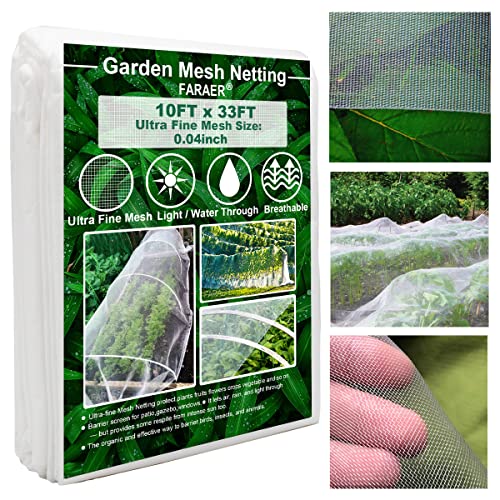
- Insect netting row cover for tomatoes


Before You Start
Before beginning, inspect plants early in the morning or late in the day when hornworms are more visible. Wear gloves to minimize contact with pests and avoid stressing plants. Ensure the garden area is dry before applying sprays to maximize effectiveness. Avoid broad-spectrum pesticides that can harm pollinators and beneficial insects. Plan to water in the morning if using nematodes, since they require moisture to move through soil.
Step-By-Step: How To Get Rid Of Tomato Hornworms Naturally
- Inspect tomato plants for hornworms and signs of damage, such as chewed leaves or frass (worm droppings).
- Put on gloves and hand-pick any visible hornworms into a bucket of soapy water to die slowly.
- Apply Bacillus thuringiensis kurstaki Dipel hornworm spray directly to the foliage where caterpillars feed, following label instructions.
- Spray Neem oil garden spray for tomatoes on both sides of leaves to disrupt feeding and deter further eggs laid on the plant.
- Introduce Beneficial nematodes for tomato hornworms (Heterorhabditis bacteriophora) into soil around affected plants for subterranean larva control.
- Cover plants with Insect netting row cover for tomatoes during peak hornworm activity to prevent egg-laying and caterpillar movement.
- Water and feed plants as needed to maintain vigor, which helps plants recover after pest pressure.
- Repeat applications of biocontrol sprays every 7–10 days or after heavy rain, until hornworms are no longer present.
- Rotate crops and remove plant debris from the garden bed to reduce overwintering sites for hornworms.
- Encourage natural predators by avoiding broad-spectrum pesticides and providing pollinator-friendly habitats nearby.
- Document the scale of infestation and monitor weekly to stay ahead of rebounding populations.
- Consider repeating the cycle of hand-picking and biological treatments at early stages of new growth.
Troubleshooting
| Symptom | Likely Cause | Fix | Prevention |
|---|---|---|---|
| Leaves chewed extensively despite treatments | Peak hornworm activity or missed eggs | Increase inspection frequency; reapply Bt and neem | Use row covers during egg-laying season |
| Brown patches on leaves after spraying | Spray residue and sun exposure | Apply in cooler times or with proper dilution | Follow label directions precisely |
| No caterpillars found but damage persists | Larvae in soil or late-stage hatchlings | Apply beneficial nematodes to soil | Maintain soil moisture for nematode activity |
| Hornworms reappear after initial control | New hatch from eggs | Reapply Bt and monitor weekly | Keep nets in place during vulnerable periods |
Common Mistakes
- Relying solely on one control method, which allows hornworms to rebound.
- Spraying during very hot, sunny periods which can reduce product efficacy.
- Neglecting soil-based controls, such as beneficial nematodes, which target larvae in the ground.
- Disrupting beneficial insects by using broad-spectrum pesticides.
Tips For Best Results
- Inspect plants daily during peak hornworm season, especially in the first half of summer.
- Use multiple controls in combination for a synergistic effect.
- Apply Bt products when hornworms are actively feeding for maximum impact.
- Store and apply nematodes as directed, keeping them cool and fresh for viability.
- Keep row covers in place until plants start flowering to protect young fruit from egg-laying adults.
Call A Professional
Consult a local extension service or licensed garden professional if hornworm populations are severe, if large trees or protected crops are affected, or if you have ongoing plant health concerns that do not respond to natural methods within a growing season.
FAQ
What is the most effective natural method for tomato hornworms?
Combining hand-picking with Bacillus thuringiensis kurstaki Dipel hornworm spray and beneficial nematodes offers strong, targeted control while protecting helpful insects.
Are hornworms harmful to humans?
No, hornworms do not pose a direct threat to humans; they are primarily a garden pest for tomatoes.
Can neem oil harm beneficial insects?
Neem oil is generally selective when used as directed; avoid spraying when pollinators are active and follow label timing recommendations.
When should row covers be used?
Row covers are most effective before hornworms begin laying eggs; use them during early season to prevent initial infestations.
How often should I reapply biological controls?
Reapply every 7–10 days or after heavy rain, and continue until plants show no new feeding signs.
Buying Guide
When selecting products to fight tomato hornworms naturally, consider size, nozzle ergonomics, and application ease. A versatile 1 gallon garden sprayer with an adjustable nozzle helps evenly distribute liquids, while targeted sprays like Bt products and neem oil are essential first-line defenses. For soil-based control, a package of beneficial nematodes should be used according to soil temperature and moisture. Row covers provide physical protection, especially for early fruit set. Look for compatible products labeled for tomato use and follow local guidelines to ensure safe, effective pest management.
Additional Resources
- In-depth guidance from local cooperative extensions on tomato hornworm management
- Regional weather-specific timing for beneficial nematode applications