Metal chains are found in bicycles, motorcycles, and industrial machines, and keeping them clean helps extend life and performance. This guide explains practical steps, safe methods, and the best tools to use for different chain types and environments. Readers will learn how to choose the right cleaning kit and avoid common mistakes that can cause wear or damage.
Quick Answer
Use the right tools, apply proper degreasing, scrub thoroughly, rinse, and dry completely. For routine maintenance, a dedicated bike or industrial chain cleaning kit speeds up the process. An ultrasonic cleaner can provide deeper cleaning for stubborn grime, but manual brushes remain essential for joints and links.
What You’ll Need
The following tools and materials cover a range of cleaning scenarios. Start with the essentials and add specialized gear as needed.
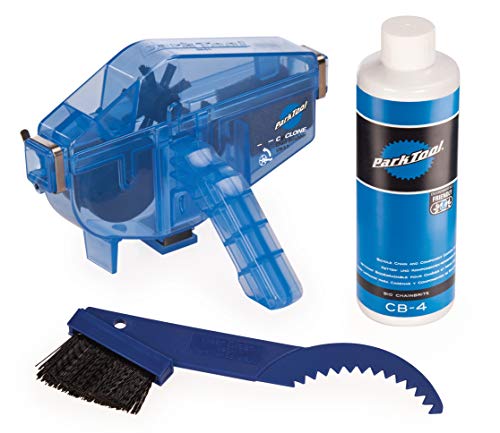
- bicycle chain cleaning tool kit
- bike chain cleaning brush set
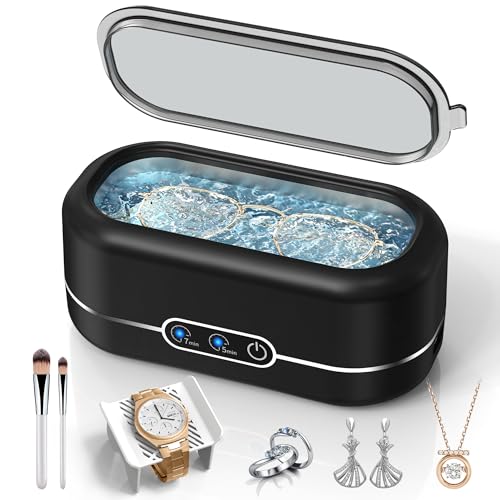
- ultrasonic cleaner for metal chains
- industrial chain cleaning kit with brushes
- portable motorcycle chain cleaning tool

Before You Start
Prepare the workspace with good ventilation and a stable work surface. Loosen any clamps or straps on the chain to prevent sudden movement. Have rags or absorbent towels handy for spills. Wear gloves to protect skin and keep safety glasses nearby for splashes. Time estimates vary: plan 20–60 minutes for a basic bike chain, longer for industrial or heavily contaminated chains. Critical cautions: avoid overheating lubricants during cleaning, and never use corrosive substances on chrome or plated surfaces.
Step-By-Step: How To Clean A Metal Chain
- Secure the chain on a clean, stable surface or mount it in a cleaning fixture. This prevents sagging that can trap debris during brushing.
- Apply a degreaser suitable for metal chains. Let it break down oil and grime for 1–3 minutes, reapplying if grease is heavy.
- Use a bicycle chain cleaning tool kit or bike chain cleaning brush set to scrub each link. Rotate the chain slowly to expose all sides, paying attention to inner plates and rollers.
- For stubborn grime, employ an industrial chain cleaning kit with brushes or an ultrasonic cleaner for metal chains. Ultrasonic cleaning helps reach internal crevices, but do not exceed recommended time to avoid metal fatigue.
- Rinse with clean water or remove degreaser using a damp cloth. Ensure all cleaner residues are wiped away to prevent residue attracting new dirt.
- Dry the chain thoroughly with a lint-free cloth. If possible, spin the chain to air-dry completely, then apply a light, compatible lubricant to prevent rust.
- Reassemble and run the chain through gears or a tension tester to confirm smooth operation. Wipe any excess lubricant from surrounding components.
- For regular maintenance, repeat the cleaning cycle at intervals based on usage, environment, and exposure to moisture or salt.
- Store cleaning tools in a dry area to prevent corrosion, and replace worn brushes when bristles become frayed.
- Document your maintenance schedule to track when the next cleaning should occur or when an inspection is due for wear on pins and plates.
Troubleshooting
| Symptom | Likely Cause | Fix | Prevention |
|---|---|---|---|
| Excessive squeaking after cleaning | Insufficient lubrication or cleaning residue | Re-clean and re-lubricate with a light film | Rinse thoroughly; use appropriate lubricant |
| Rust on links | Moisture exposure or old lubricant | Dry chain completely; apply rust-inhibiting lubricant | Keep chain dry after cleaning; store in a dry place |
| Stiff or seized links | Debris lodged inside links | Brush and soak sections with penetrant, then scrub | Regular cleaning to prevent build-up |
| Bringing back dull finish | Harsh cleaners or excessive scrubbing | Switch to milder degreaser; gentle brushing | Use recommended products for metal finishes |
Common Mistakes
Several missteps can undermine results. Rushing the cleaning process can leave residues, while using the wrong degreaser may corrode finishes. Avoid soaking a chain for too long if it has sensitive coatings, and never spray cleaners directly into bearings unless recommended by the product guidelines. Over-lubrication can attract dust and grime, so apply a light, even coat rather than heavy globules.
Tips For Best Results
- Choose a cleaner compatible with the chain material and coating.
- Use brushes with stiff bristles for metal chains, and reach into tight links with precision tools.
- For stubborn grime, alternate between soaking and brushing rather than a single, intense scrub.
- After cleaning, dry the chain promptly to minimize corrosion risk.
- Lubricate with a product designed for the chain’s operating environment (dry lube for dust-prone areas, wet lube for rain exposure).
- Inspect for wear signs such as stretched links or rust pitting during cleaning sessions.
Call A Professional
Consider professional assistance if the chain shows persistent rust damage, signs of deformation, or wear beyond recommended tolerances. If you encounter difficulty removing a seized link, or if the chain lubrication requires specialized products for industrial machinery, seek a trained technician. Seek help immediately if you notice chain slipping, excessive noise, or failure of chain components during operation.
FAQ
How often should I clean a metal chain?
Frequency depends on usage and environment. Light, regular cleaning works well for daily outdoor biking, while industrial chains may require weekly or monthly maintenance.
Can I soak a chain in degreaser overnight?
Generally not necessary and could risk coating removal or corrosion; follow product guidelines for soaking times.
Is ultrasonic cleaning safe for all chains?
Ultrasonic cleaners are effective for deep grime but may not suit every chain coating. Check manufacturer recommendations before use.
What type of lubricant should I use?
Use a lubricant suited to the chain type and operating conditions (dry or wet). Apply a light, even coat after cleaning.
What signs indicate a chain replacement is needed?
Look for stretched links, kinks, rust-through on multiple links, or persistent stiff joints after cleaning and lubrication.
Does cleaning remove all rust?
Cleaning can reduce surface rust, but deep pitting often requires replacement or professional treatment.
Can I use household solvents for chain cleaning?
Household solvents may be too harsh or inappropriate for certain chain coatings; use products designed for metal chains.
Buying Guide
When selecting a chain cleaning setup, consider the following factors to balance efficiency, safety, and cost:
- Size and compatibility: Choose a kit that fits the number of chains you maintain (bicycle, motorcycle, or industrial). Look for adjustable clamps or fixtures for different chain widths.
- Noise level and ease of use: Manual brush sets are quiet but require effort; ultrasonic cleaners reduce manual scrubbing but add electrical considerations.
- Energy efficiency: For ultrasonic cleaners and powered tools, check energy use and duty cycles. Modern units often have efficient transducers and auto-shutoff features.
- Controls and features: Seek variable cleaning cycles, degreaser compatibility, and easy maintenance of brushes and nozzles.
- Placement and storage: Portable options suit small workspaces; consider a tray or mat to catch drips and prevent floor staining.
- Maintenance and replacement parts: Ensure availability of replacement brushes, seal kits, and lubricants for ongoing use.
- Usage environment: Harsh environments (salt, mud, rain) require corrosion-resistant tools and more frequent cleaning.