Rodent odors can linger long after droppings are removed, affecting indoor air quality and comfort. This guide provides practical, step-by-step methods using common cleaning products and odor eliminators to restore freshness in homes and offices.
Quick Answer
For faster relief, combine enzymatic cleaning and odor-neutralizing sprays with air purification. Start with a thorough cleaning, use enzyme-based products for urine stains, and ventilate while applying safer odor removers. In tougher cases, consider an air purifier and, if needed, an ozone-based solution under strict safety guidelines.
What You’ll Need
Prepare a focused toolkit that targets urine odors, stains, and airborne smells. The following items reflect common, effective choices:
- Enzymes rodent urine odor remover spray
- Activated carbon air purifier for odor removal
- Ozone generator odor eliminator for rodent smell
- Enzymatic cleaner for carpet rodent urine stains
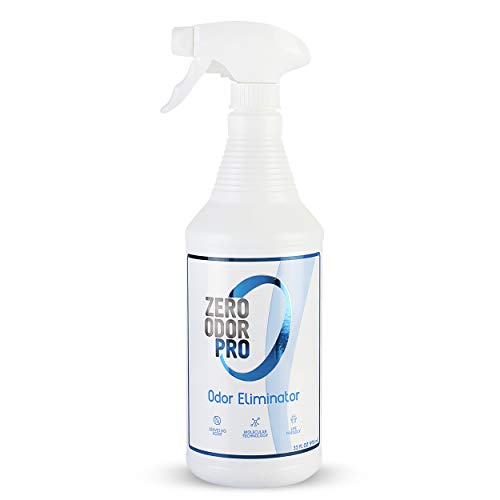
- Odor neutralizing cleaning spray with disinfectant rodents


Before You Start
Assess the space for safety and feasibility. Open windows or use a ventilation system to improve air exchange. Wear gloves and a mask when handling urine or cleaning solutions. Test a small, inconspicuous area before applying cleaners to fabrics or carpets. Time estimates vary by area but plan for 1–4 hours of active work plus curing time for enzymatic products.
Caution: Do not mix cleaning solutions with bleach or ammonia-based products, as dangerous fumes can form. Do not run an ozone generator in occupied spaces without proper containment and follow manufacturer instructions for safe operation.
Step-By-Step: How To Get Rid Of Rodent Smell
- Identify source areas where droppings, urine trails, or gnaw marks are present. Mark these zones for targeted cleaning and treatment.
- Ventilate the space by opening doors and windows, if weather and security allow, to create a cross-breeze. Use air purifiers to begin filtering particulates.
- Thoroughly remove obvious droppings with a disposable paper towel and place them in a sealed bag. Do not sweep, which can aerosolize odor particles; use a damp disposable wipe instead.
- Apply enzymatic cleaner for carpet rodent urine stains on affected fibers, following label directions. Allow the enzyme to dwell for the recommended contact time before blotting or rinsing.
- Spray odor neutralizing cleaning spray with disinfectant rodents on hard surfaces, behind baseboards, and in known nests or entry points. Wipe after the product has worked to lift residues.
- Use a enzymes rodent urine odor remover spray on upholstery, curtains, and soft furnishings to address embedded smells. Let it air dry naturally for best results.
- Place an activated carbon air purifier for odor removal in rooms with persistent smells. Carbon filters capture lingering volatile compounds and improve air quality over time.
- If odors persist at strong levels, consider an ozone generator odor eliminator for rodent smell, strictly following safety guidelines. Use only in unoccupied spaces and discontinue use when occupants return.
- Regularly repeat cleaning cycles for high-traffic rooms and monitor odor levels. Replace or refresh filters and purifiers to maintain effectiveness.
Troubleshooting
| Symptom | Likely Cause | Fix | Prevention |
|---|---|---|---|
| Odor remains after cleaning | Hidden urine or pheromone trails | Re-treat suspected areas with enzymatic cleaner and re-run air purification | Inspect for hidden nests and re-clean periodically |
| Musty or stale smell returns quickly | Moisture buildup | Address leaks, use dehumidifier, ensure complete drying | Control humidity to below 50% |
| Strong chemical smell after spray | Over-application or incompatible products | Ventilate, dilute if advised, avoid mixing products | Follow product instructions carefully |
| Air purifier seems ineffective | Filtration not appropriate for smell size | Upgrade to a purifier with activated carbon or adjust placement | Regular maintenance of filters |
Common Mistakes
- Relying on one product type; odors often require a combination of enzymatic cleaners, odor sprays, and air purification.
- Ignoring moisture issues, which can keep odors entrenched.
- Using aerosols or sprays in occupied spaces without ventilation or safety considerations.
- Inadequate cleaning behind baseboards, under appliances, or in hidden nooks where urine residues linger.
Tips For Best Results
- Coordinate cleaning with dehumidification to prevent odor recurrence.
- Use a layered approach: enzymatic cleaners for stains, followed by odor neutralizers, then air purification.
- Test products on fabrics before broad application to avoid discoloration.
- Change carbon filters regularly according to the manufacturer’s schedule to maintain absorption efficiency.
- Keep spaces well-sealed during treatment phases, especially when using ozone generators, to protect occupants.
Call A Professional
When odors persist despite repeated cleaning, or if there’s evidence of a larger infestation, consult a licensed pest professional. Seek immediate help if there are signs of mold growth, structural damage, or rodent activity near electrical equipment or food storage areas.
FAQ
What is the fastest way to remove rodent odor?
Use a combination of enzymatic cleaners for stains and an activated carbon air purifier for immediate air quality improvement, then address lingering surfaces with odor-neutralizing sprays.
Can I use an ozone generator indoors?
Ozone generators should only be used in unoccupied spaces and according to safety guidelines due to potential health risks.
How long does odor removal take?
Initial relief can occur within hours, but complete odor elimination may take several days to weeks depending on space size and contamination level.
Are there any precautions with carpets?
Yes, use enzymatic cleaners designed for carpet urine stains and allow full drying to prevent trapped moisture and mold growth.
Is it safe to mix products?
Avoid mixing cleaners, especially with bleach or ammonia, to prevent dangerous fumes.
Should I replace the entire flooring?
Only if contamination is extensive and persistent despite thorough cleaning and remediation steps.
Buying Guide
Choosing the right tools to combat rodent smells depends on space size, surfaces, and the severity of odors. Consider the following factors to compare options effectively:
- Size and layout: Larger spaces may benefit from multiple air purifiers and strategic placement to optimize air flow.
- Noise level: For bedrooms and quiet offices, select low-noise purifiers and consider timer features to run during off-hours.
- Energy efficiency: Look for ENERGY STAR-rated purifiers or units with low power consumption for extended use.
- Controls and ease of use: Simple interfaces, humidity readouts, and auto-mode settings improve consistency.
- Placement: Position purifiers away from walls, at breathing height, and near known odor sources for best results.
- Product compatibility: Ensure enzymatic cleaners and odor sprays are safe for the surfaces you treat (carpets, upholstery, wood, etc.).
- Maintenance: Check filter replacement intervals and stock up on compatible refills before odors return.
- Safety: If allergies or asthma are a concern, prioritize products with safer ingredient lists and avoid strong chemical exposures.
With the right combination of cleaners and air treatment, most rodent odors can be significantly reduced. Consider a staged approach, starting with immediate odor control and following up with long-term prevention measures such as sealing entry points and maintaining cleanliness. If unsure, a professional assessment can tailor a plan to your space and needs.