White wood surfaces bring a bright, airy look to any room, but they can show dirt, fingerprints, and water spots more readily than darker finishes. This guide walks through safe, effective methods to clean and refresh white wood without dulling the finish or causing damage.
Readers will learn a step-by-step approach using common cleaning supplies designed for white wood, plus tips to prevent future staining and how to maintain the finish with appropriate care products.
Quick Answer
Use a pH-neutral wood cleaner spray for white wood to lift dirt without stripping finish, followed by microfiber cleaning cloths for gentle wiping. For dull or stained areas, employ a non-abrasive wood cleaner for whitewashed furniture and a soft bristle brush for embedded grime. Finish with white wood furniture polish conditioner oil-free to protect and brighten the surface.
What You’ll Need
- pH neutral wood cleaner spray for white wood
- Non-abrasive wood cleaner for whitewashed furniture
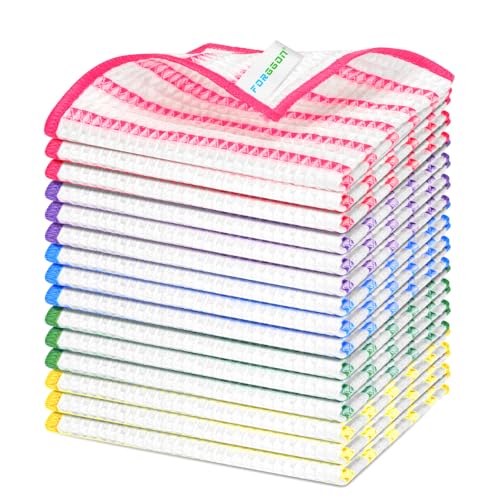
- Microfiber cleaning cloths for wood furniture
- Soft bristle brush for cleaning white wood surfaces
- White wood furniture polish conditioner oil-free


Before You Start
Prepare the room by removing items from the furniture and placing a soft mat or towels to catch drips. Work in a well-ventilated area and test cleaners on a small inconspicuous area first to ensure colorfastness. Avoid excessive moisture which can warp wood and always dry surfaces promptly after cleaning. Time estimates: 15–30 minutes for a typical piece, longer for larger items or heavily soiled surfaces.
Step-By-Step: How To Clean White Wood
- Remove loose dust with a dry microfiber cloth, wiping in the direction of the grain.
- Lightly mist pH neutral wood cleaner spray for white wood onto a clean microfiber cloth—not directly onto the surface—to form a safe cleaning barrier.
- Gently wipe the surface, focusing on fingerprints and rings, using smooth, even motions.
- For stubborn smudges, use a soft bristle brush for cleaning white wood surfaces to lift grime from crevices without scratching the finish.
- Rinse the cloth with clean water, wring it out, and wipe the area again to remove any cleaner residue.
- Dry with a fresh microfiber cloth to prevent water marks. If the wood is sealed, this step helps maintain a uniform sheen.
- For dull or waxy residues, apply a small amount of non-abrasive wood cleaner for whitewashed furniture to a cloth and buff in gentle circles; wipe away any excess.
- Apply a thin layer of white wood furniture polish conditioner oil-free to a clean cloth and gently buff the surface to restore luster.
- Polish one section at a time, allowing a few minutes for the conditioner to set before moving to adjacent areas.
- Inspect for streaks or uneven shine; re-wipe as needed with a dry microfiber cloth to achieve an even finish.
- Repeat maintenance cleaning every few weeks or as needed to keep white wood looking bright and protected.
Troubleshooting
| Symptom | Likely Cause | Fix | Prevention |
|---|---|---|---|
| Streaks after cleaning | Excess cleaner or improper drying | Wipe with a dry microfiber cloth; ensure final wipe is with a clean, dry cloth | Use light, even strokes and minimal cleaner on each pass |
| Water rings | Moisture sitting on wood | Dry promptly; consider a blotting approach with towels | Prevent by wiping spills quickly and using oil-free polish for protection |
| Fading or discoloration | Harsh cleaners or sun exposure | Switch to pH-neutral cleaners and reduce direct sun | Place away from strong light; use UV-protective finishes |
| Scratches when scrubbing | Using abrasive tools | Switch to microfiber cloths and soft brushes | Always clean with non-abrasive techniques |
Common Mistakes
- Using harsh or solvent-based cleaners on white wood
- Over-wetting wood surfaces or letting water pool
- Scrubbing aggressively, which can abrade finish
- Neglecting to dry surfaces after cleaning
- Skipping a test patch on a hidden area before full cleaning
Tips For Best Results
- Dust regularly with a microfiber cloth to reduce deep cleaning needs.
- Use the pH neutral wood cleaner spray for white wood as a first-line cleaner to minimize residue.
- Maintain a consistent cleaning schedule to keep the white finish looking fresh.
- Buff to a light, even sheen after application of the oil-free polish conditioner.
- Store cleaners and cloths in a cool, dry place to preserve their effectiveness.
Call A Professional
Contact a professional if white wood surfaces show severe staining, water damage, deep scratches, or finish peeling. Seek expert help for antique or heavily finished pieces where incorrect cleaning could reduce value or integrity.
FAQ
What is the best cleaner for white wood furniture?
The best option is a pH neutral wood cleaner spray for white wood followed by microfiber drying for a gentle, effective clean.
How can I remove stubborn stains on whitewashed furniture?
Try a non-abrasive wood cleaner for whitewashed furniture with light brushing to lift the stain, then wipe and dry.
Can I use regular household cleaners on white wood?
Avoid bleach and ammonia-based products; opt for pH-neutral cleaners designed for wood.
How often should I polish white wood furniture?
Polish every few weeks or after deep cleaning to maintain a protective layer, especially for matte or satin finishes.
Is it safe to use water on white wood?
Yes, but limit moisture and always dry promptly to prevent warping or water spots.
What tools help minimize streaks when cleaning?
Microfiber cloths and a soft-bristle brush for crevices help achieve an even, streak-free finish.
Should I deep-clean white wood furniture?
Deep cleaning is useful every few months or when surfaces appear dull or sticky, using the recommended cleaners and gentle brushing.
Buying Guide
When selecting products to clean and protect white wood furniture, consider size of the project, noise, energy efficiency of cleaners where applicable, and ease of use. A well-rounded kit includes a pH neutral wood cleaner spray for white wood, a non-abrasive wood cleaner for whitewashed furniture, microfiber cloths, a soft bristle brush, and an oil-free Polish Conditioner to restore shine without gloss buildup. Think about how you’ll use these products: do you clean a single dresser, or multiple pieces across a room? Is a quick daily wipe sufficient, or are occasional deep cleans needed? Placement matters too: store cleaners away from heat or sunlight, and keep cloths accessible for timely touch-ups. For comparisons, evaluate each item for residue-free formulas, ease of patch testing, and compatibility with sealed vs. unfinished wood surfaces. A compact, all-in-one kit may suit smaller spaces, while larger households might benefit from larger spray bottles and more microfiber cloths to cover frequent cleaning sessions without waste.