Bricks can regain their natural color and brighten up exterior surfaces with a simple, eco-friendly cleaning approach. Using vinegar as a cleaning agent is a popular method for removing dirt, grime, and mild efflorescence from masonry without harsh chemicals. This guide lays out practical steps, safety notes, and best practices for American homeowners seeking a cost-effective brick cleaning solution.
Quick Answer
Quick method: Dilute white distilled vinegar with water (about 1:1), apply with a spray bottle or brush, let sit briefly, then scrub with a stiff nylon brush and rinse thoroughly. For stubborn stains, repeat as needed. Use only non-acidic or mild cleaners on delicate bricks and test a small area first.
What You’ll Need
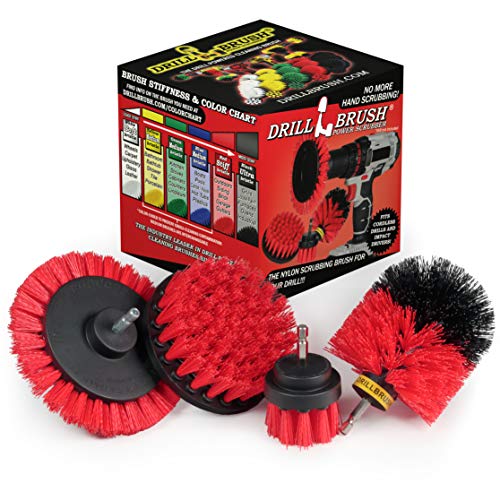
- Stiff nylon brick cleaning brush outdoor for hard scrubbing
- Vinegar brick cleaning spray bottle 16 oz for easy application
- Masonry brick cleaner kit with scrub brush as an optional advanced kit
- Pressure washer brick cleaning kit compatible with vinegar for larger jobs
- PH-neutral brick cleaner for exterior walls as a gentler alternative


Before You Start
Prepare the area by removing plants, outdoor furniture, and debris from the cleaning zone. Protect nearby vegetation and surfaces that could be damaged by spray or splashes. Work on a dry day with mild temperatures to avoid rapid evaporation. Test a small, inconspicuous area first to ensure the vinegar solution does not discolor the brick or mortar. Wear basic gloves and eye protection, and avoid mixing vinegar with bleach or ammonia.
Step-By-Step: How To Clean Bricks With Vinegar
- Mix a cleaning solution using white distilled vinegar and water in roughly a 1:1 ratio in a spray bottle.
- Spray the solution onto a small section of brick to gauge color change and cleaning efficiency.
- Allow the solution to sit for 5–10 minutes to loosen dirt and light staining.
- Use the stiff nylon brick cleaning brush outdoor to scrub in a consistent, vertical or horizontal motion.
- Rinse the area with clean water from a garden hose, starting from the top and moving down to prevent streaks.
- For stubborn mortar lines or deeper staining, reapply vinegar solution and scrub again, then rinse thoroughly.
- Repeat the process for adjacent sections until the entire brick surface looks balanced and clean.
- Let surfaces dry completely before repainting or sealing, if applicable.
Troubleshooting
| Symptom | Likely Cause | Fix | Prevention |
|---|---|---|---|
| Stains persist after rinsing | Deep-seated dirt or mineral deposits | Spot-clean with vinegar solution and extend scrubbing time | Regular cleaning schedule |
| Brick color dulls or fades | Overuse of acidic solution | Switch to a more diluted mix or a pH-neutral cleaner | Test first; avoid repeated aggressive washes |
| Mortar efflorescence appears | Moisture bringing mineral salts to surface | Rinse thoroughly and consider sealing after completely dry | Ensure proper drainage and ventilation |
| Discoloration after sealant | Surface residues or improper prep | Deep clean, rinse, and dry before sealing | Follow manufacturer prep guidelines |
Common Mistakes
- Using vinegar on highly polished or glazed bricks without a test patch
- Allowing vinegar to dry on the surface before scrubbing
- Over-wetting soft brick or damaged mortar
- Mixing vinegar with bleach or ammonia—produces harmful fumes
To minimize risks, work in sections, keep the surface damp rather than soaking, and always rinse thoroughly after scrubbing.
Tips For Best Results
- For larger jobs, consider a pressure washer brick cleaning kit compatible with vinegar to speed up cleaning while preserving delicate mortar.
- Use PH-neutral brick cleaner for exterior walls when bricks are sensitive to acidity or have mineral deposits that vinegar cannot fully remove.
- Schedule cleaning after a sunny morning so surfaces are dry by afternoon, reducing streaks.
- Test any cleaner on a hidden area before applying to the entire wall.
- Protect nearby plants by shielding them with plastic sheets or tarps during application.
Call A Professional
Consider a professional if bricks are heavily stained, have deep efflorescence, structural mortar damage, or if the surface is historic and requires special care. Stop cleaning and consult a pro if there is cracking, spalling, or significant mortar deterioration, or if repeated attempts fail to improve appearance.
FAQ
Is vinegar safe for all brick types?
Vinegar works on many common bricks, but test first on a hidden area and avoid brick types known to be sensitive to acids.
Can I use undiluted vinegar?
Undiluted vinegar is too harsh for most bricks and can cause damage; use a diluted solution and monitor results.
How often should brick cleaning be performed?
Cleaning once or twice a year is typically enough for exterior brick away from heavy pollution or moss.
What about efflorescence on brick?
Efflorescence is mineral salt buildup; a vinegar solution can help, but persistent cases may require a specialized, pH-neutral cleaner.
Do I need to seal bricks after cleaning?
Sealing is optional but can protect against staining and moisture; ensure bricks are completely dry before sealing.
Can I use a garden hose with a spray nozzle?
Yes, but avoid high-pressure settings that can erode mortar; use a gentle spray and test on a small area first.
Buying Guide
The right brick-cleaning setup balances effectiveness, safety, and scale. When evaluating options, consider size, noise, energy use, controls, and placement to match the project at hand.
Size and coverage: For small residential walls, a simple vinegar spray bottle and stiff brush may suffice. Larger surfaces benefit from a dedicated masonry cleaner kit or a pressure washer kit compatible with vinegar to speed up the job without damaging mortar.
Cleaning power and gentleness: A pH-neutral brick cleaner provides a milder option for delicate brick or painted surfaces, while vinegar-based solutions offer a natural, odor-minimized approach for routine dirt and light staining.
Controls and ease of use: Choose tools with clear spray controls, comfortable handles, and compatible brush heads. For extended projects, a brush with a longer handle reduces bending and fatigue.
Noise and footprint: Manual scrubbing is quiet but slower; pressure-washer-assisted kits accelerate cleaning but generate more noise. Plan around neighbors and daytime hours.
Placement and storage: Flat surfaces and secure storage areas simplify tool organization. Keep cleaning solutions in a cool, shaded place away from children and pets.