Wrought iron adds timeless elegance to patios, fences, and garden furniture, but its beauty depends on consistent cleaning and rust control. This guide provides practical steps to restore shine, prevent further corrosion, and extend the life of outdoor metal pieces.
Readers will find a clear, action-oriented process using common products, including specialized rust removers and cleaners designed for outdoor wrought iron. Safety notes are highlighted to help keep projects efficient and safe.
Quick Answer
Begin with a light scrub to remove loose dirt, apply a rust remover gel or rust converter as directed, rinse, dry thoroughly, and seal with a protective coating. For stubborn rust, use a rust remover brush set, then touch up with wrought iron cleaner spray for outdoor furniture to finish with a protective wipe.
What You’ll Need
- Wrought iron rust remover gel 16 oz
- Wrought iron cleaner spray for outdoor furniture
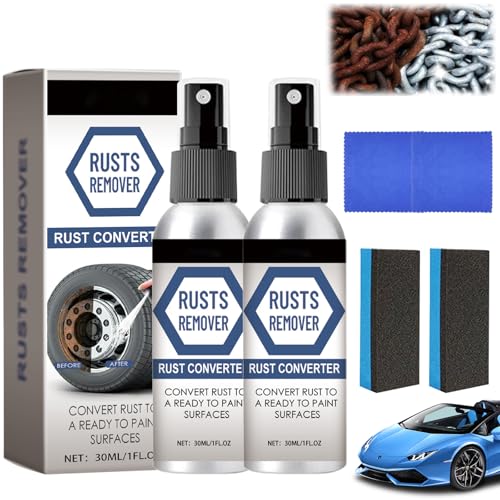
- Wrought iron rust converter and cleaner kit
- Wrought iron rust remover brushes and pad set
- PATIO FURNITURE WROUGHT IRON CLEANING KIT


Before You Start
Assess the surface for peeling paint, deep pitting, or hazardous conditions. Wear safety gloves and eye protection when using chemical rust removers. Work in a shaded area if possible to prevent rapid drying of cleaners. Clear the area of debris and lay down a drop cloth to protect nearby plants and surfaces. Time estimate: 45 minutes to 2 hours, depending on rust extent and finish condition. Important: test cleaners on a small inconspicuous area first to verify finish compatibility.
Step-By-Step: How To Clean Wrought Iron
- Remove loose dirt with a soft brush or cloth to prevent scratching during treatment.
- Protect nearby surfaces with plastic sheeting or drop cloths, then rinse the piece with a gentle stream of water.
- Apply the wrought iron rust remover gel 16 oz to corrosion spots, following the product label for dwell time.
- Scrub with wrought iron rust remover brushes and pad set to lift rust flakes and old coatings.
- Rinse thoroughly and dry completely with clean towels or a heat source to prevent new rust formation.
- If rust remains, apply the wrought iron rust converter and cleaner kit as directed to neutralize rust and prep for finishing.
- After conversion, wipe with the wrought iron cleaner spray for outdoor furniture to remove any residue and restore shine.
- Allow the piece to dry completely, then inspect for bare spots or uneven finishes. Reapply treatment as needed.
- Finish with a protective sealant or oil designed for wrought iron to slow future rust, paying attention to application instructions.
- Reassemble any parts and place the item back in its setting, ensuring proper airflow to avoid moisture buildup.
- Schedule regular maintenance: a light cleaning every 1–3 months can prevent heavy buildup and rust.
Troubleshooting
| Symptom | Likely Cause | Fix | Prevention |
|---|---|---|---|
| Rust reappears after cleaning | Surface between coats is not sealed | Re-apply rust converter and a protective sealant | Clean and seal on a regular schedule |
| Streaks or discoloration after cleaning | Residue from cleaners | Rinse thoroughly and wipe with a clean dry cloth | Test cleaner on small area first |
| Pitting or deep corrosion | Metal has extensive rust damage | Consider professional refinishing or replacement parts | Monitor and address early signs |
| Finish peeling after sealing | Incompatible sealant or moisture trapped | Remove old sealant and reapply compatible product | Match products to metal type and climate |
Common Mistakes
- Neglecting to dry the iron thoroughly after cleaning, which invites new rust.
- Using abrasive tools on smooth metal surfaces, causing scratches that trap moisture.
- Overlooking hidden rust under decorative elements; treat all crevices and joints.
- Skipping a test patch before full application of cleaners or converters.
Tips For Best Results
- Work in stages: tackle one area at a time to prevent drying too quickly.
- Use a dedicated set of brushes and pads for rust removal to avoid cross-contamination with other surfaces.
- Choose products labeled for outdoor wrought iron to ensure weather resistance and compatibility with metal finishes.
- Regular maintenance—light cleaning and sealing—extends the time between intensive restorations.
Call A Professional
Seek professional help if any of the following occur: severe rust over large areas, structural weakening, or if the piece has historic or high-value finishes. Do not attempt invasive repairs that could compromise safety or stability, such as attempting to brazeweld or significantly alter frames without expertise.
FAQ
What is the best method to remove heavy rust from wrought iron?
Use a commercial rust remover gel followed by a rust converter if needed, then scrub with rust removal brushes for best results.
Can I seal after cleaning wrought iron outdoors?
Yes, apply a protective sealant or oil designed for outdoor metal to slow future rust formation.
How often should I clean wrought iron furniture?
Light cleaning every 1–3 months, with a deeper treatment annually or as needed after heavy use or weather exposure.
Is it safe to mix cleaners on wrought iron?
Do not mix cleaners; follow manufacturer directions and test on a small area first.
What should I do about rust in joints or scrollwork?
Pay special attention to crevices with brushes and consider a rust converter to stabilize hard-to-reach areas.
Should I repaint after cleaning?
Repainting is optional but can provide a longer-lasting finish when the old coating is damaged.
Is professional refinishing necessary for antique pieces?
Yes, for valuable or historic items, professional refinishing preserves value and ensures safety.
Buying Guide
When choosing products to care for wrought iron, consider the following factors to ensure durable results and long-lasting beauty:
- <bSize and coverage: Choose rust remover gels and cleaners that cover the area efficiently without overspread.
- <bNoise level and ease of use: Handheld brushes and pads should feel comfortable and not overly harsh on metal finishes.
- <bEnergy efficiency is not usually a concern for manual cleaning; select products with low chemical emissions and water-based formulas where possible.
- <bControls: Look for clear label instructions, dwell times, and safety warnings to minimize trial and error.
- <bPlacement: Outdoor items exposed to moisture benefit from surface sealants designed for exterior wrought iron.
For a comprehensive approach, shoppers often find value in bundles like a patio furniture wrought iron cleaning kit that combines rust removers, brushes, and sprays for a complete maintenance routine. Compare product formulations, dwell times, and compatibility with existing finishes to choose the best match for your outdoor space.