Muscle knots can be stubborn and painful, especially when they linger in the back, shoulders, or neck. This guide explains practical methods to reduce tension and restore mobility using commonly available massage tools. Readers will learn step-by-step techniques, safety cautions, and how to choose the right tool for knot relief.
By combining mobility work, targeted pressure, and consistent routines, most people notice improved comfort and range of motion. The focus is on accessible options that align with a typical American home or gym setup, making it easier to maintain progress over time.
Quick Answer
To relieve pio knots fast: use a combination of a deep tissue massage gun or percussive device on the affected area for short, controlled bursts; follow with a foam roller or a trigger point massage ball to address surrounding muscle tissue. Gentle stretching after treatment helps prevent reoccurrence.
What You’ll Need
- Deep tissue massage gun for muscle knots
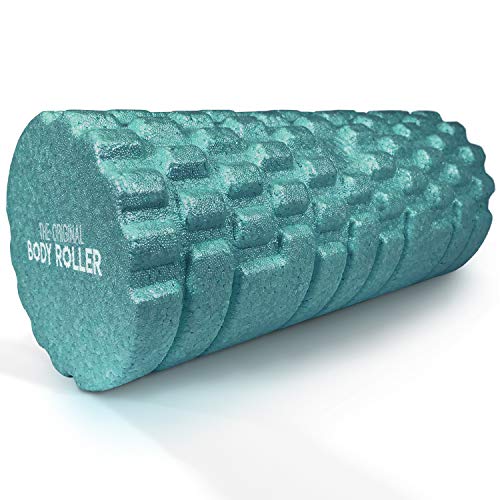
- Foam roller for releasing muscle knots
- Trigger point massage ball set for knots
- Percussive massage gun for knot relief
- Handheld massage stick for back and shoulder knots


Before You Start
Before beginning self-massage for pio knots, ensure the area is clean and free of skin irritation. If knots are associated with a recent injury, a chronic medical condition, or if pain persists beyond a few weeks, consult a healthcare professional. Use slow, controlled movements and avoid applying excessive pressure on bones or joints. Discontinue if you experience sharp pain, numbness, or tingling. Plan sessions in a quiet space with a timer to prevent overdoing it, typically 5–15 minutes per major muscle group per session.
Step-By-Step: How To Relieve Pio Knots With Massage Tools
- Identify the knot area with a gentle palpation and map surrounding muscle groups that may be compensating. This helps target the correct regions with your massage tools.
- Warm up the tissue with light movement or a low-intensity massage for 2–3 minutes. Gradual warming increases blood flow and reduces tissue resistance.
- Apply a deep tissue massage gun for muscle knots to the knot site. Use short, controlled pulses, starting at a low setting and progressively increasing as tolerated. Move slowly in small circles or up-and-down strokes for 20–30 seconds at a time.
- Switch to a percussive massage gun for knot relief to deepen the release. Target surrounding muscle fibers with longer strokes, maintaining a comfortable pressure. Avoid bone contact and pause if muscle spasm occurs.
- Use a foam roller for releasing muscle knots along the adjacent muscles. Roll slowly over the area for 30–60 seconds, pausing on tender spots for 15–20 seconds to encourage tissue relaxation.
- Incorporate a trigger point massage ball set for knots for precise pressure. Place the ball on the knot, lean into it, and hold for 20–40 seconds, then slowly roll to adjacent fibers.
- Finish with gentle static stretches that lengthen the affected muscles. Hold each stretch for 20–30 seconds, breathing deeply to encourage relaxation and lengthening of the tissue.
- Repeat the sequence 2–3 times, allowing 24–48 hours before repeating a similar session on the same muscle group to avoid overuse.
- Maintain a lightweight daily routine, combining self-massage with mobility work, to prevent knot formation and support long-term relief.
- Alternate tools for variety and to prevent tissue adaptation. Rotate between a handheld massage stick and larger devices to address both local knots and surrounding muscle webs.
- Monitor progress and adjust pressure and duration based on feedback from your body. If knots return quickly or pain worsens, seek professional evaluation.
Troubleshooting
| Symptom | Likely Cause | Fix | Prevention |
|---|---|---|---|
| Persistent soreness after a session | Overstimulation or too much pressure | Reduce intensity, shorten session time, and avoid directly over bones | Follow a gradual progression plan and schedule regular, shorter sessions |
| Muscle spasm or sharp pain | Acute tissue injury or incorrect technique | Stop immediately; reassess technique; switch to lighter pressure | Consult a professional if pain recurs |
| Knots return quickly after relief | Poor posture or insufficient mobility work | Incorporate daily mobility and posture correction | Establish a consistent routine and ergonomic adjustments |
| Redness or skin irritation | Friction or skin sensitivity | Reduce contact time and use a protective barrier like a thin fabric layer | Test devices on a small area first |
Common Mistakes
- Applying excessive pressure, especially on sensitive areas
- Ignoring warm-up and cool-down steps
- Overlapping sessions in consecutive days without rest
- Relying on one tool exclusively instead of a balanced approach
- Using devices on inflamed or injured tissues
Tips For Best Results
- Start with a thorough warm-up to prepare the muscles for deeper work
- Use the right tool pairing: combine a massage gun for deep release with a roller or ball for surface work
- Stay hydrated; hydration supports tissue pliability and recovery
- Keep sessions consistent but not daily for the same muscle group
- Combine self-care with ergonomic adjustments at work or during daily activities
- Track progress with simple notes on pain levels and mobility improvements
Call A Professional
Warning signs that require professional assessment include persistent pain beyond several weeks, numbness or weakness, severe swelling, or if knots are associated with an injury. If pain worsens despite self-care, or if there is a suspected nerve involvement or limited range of motion, schedule a visit with a physical therapist or licensed massage therapist.
FAQ
What is the best tool for knot relief?
Different tools work for different knots. A deep tissue massage gun for muscle knots and a percussive massage gun for knot relief deliver deep tissue stimulation, while a foam roller and trigger point massage ball set help smooth out surrounding fibers.
How long should I treat a knot?
Begin with 5–10 minutes per area and gradually increase as comfort allows, up to 15 minutes per session. Short, frequent sessions tend to be more effective than long, intense bursts.
Can I use these tools every day?
Yes, but focus on different muscle groups and avoid overworking the same area. Alternate tools and allow rest days for the target muscles.
Do posture changes help prevent knots?
Yes. Ergonomic adjustments at work and in daily activities reduce muscle strain and support long-term knot prevention.
Buying Guide
When selecting tools to target knot relief, consider size, noise, energy efficiency, controls, and placement. A versatile setup often includes a deep tissue massage gun for muscle knots for deep tissue work, a foam roller for releasing muscle knots for broader tissue smoothing, and a trigger point massage ball set for knots for precise pressure. Look for adjustable speed levels, multiple attachment heads, and a comfortable grip for extended sessions. If you need mobility on the go, a handheld massage stick for back and shoulder knots can be a convenient companion. For best results, choose devices with a good balance of power and quiet operation, plus a reliable battery life. Compare warranties and brand support to ensure long-term service and replacement parts availability.
Size matters: larger rollers and massagers cover bigger areas, while compact gadgets are ideal for travel or quick relief. Noise level is important for home use, especially in shared spaces. Energy efficiency and battery life influence how often you can treat knots without frequent recharging. Controls should be intuitive, with clear speed ranges and ergonomic controls. Placement considerations include whether you’ll use devices on the couch, bed, or floor, so choose products compatible with your preferred setup. Are you prioritizing deep tissue impact, portability, or a balance of both? A well-rounded toolkit often yields the best results for persistent pio knots.