Toyota Softex is a durable, vinyl-like upholstery used in many Toyota interiors. Proper cleaning helps maintain its look and longevity without causing damage. This guide provides practical steps, safe products, and pro tips for American car owners seeking clean, refreshed Softex interiors.
With the right tools and a gentle approach, stains, dirt, and spills can be addressed without harsh techniques. The focus is on removing grime while preserving the surface’s finish and flexibility for years to come.
Quick Answer
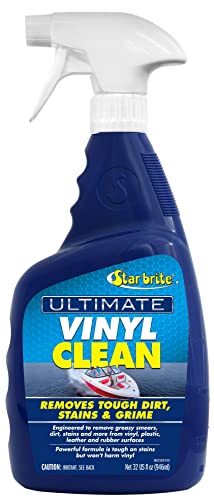
Use a vinyl and leather upholstery cleaner spray for spot cleaning, followed by a car interior cleaning brush and scrub tool set for stubborn grime. Finish with a automotive vinyl conditioner and protector kit to restore suppleness and shield from future spills.
What You’ll Need
- Vinyl and leather upholstery cleaner spray for car interior
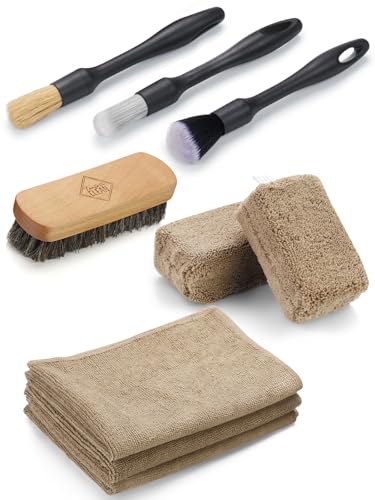
- Microfiber detailing cloth set for car interior cleaning
- Car interior cleaning brush and scrub tool set
- Portable handheld steam cleaner for car seats and dashboards
- Automotive vinyl conditioner and protector kit

Before You Start
Inspect Softex for any deep cracks or peeling; avoid aggressive scrubbing on damaged areas. Test cleaners on a hidden area first to check for color transfer or surface reactions. Work in a shaded, ventilated area and use lukewarm water to prevent warping or residue buildup. Never use abrasive pads or harsh solvents that can degrade the vinyl. Plan cleaning sessions to prevent moisture from soaking into seams.
Step-By-Step: How To Clean Toyota Softex
- Remove loose debris with a dry microfiber cloth and a gentle brush to lift dust from seams.
- Lightly mist vinyl and leather upholstery cleaner spray onto a microfiber cloth, never directly onto Softex.
- Wipe the surface in small, circular motions, focusing on high-traffic areas and spills.
- For stubborn stains, use the car interior cleaning brush and scrub tool set to agitate the cleaner with minimal pressure.
- Rinse the cloth frequently and switch to a clean, damp microfiber to remove residue.
- Use the portable handheld steam cleaner on a low setting from a safe distance to help lift embedded dirt without soaking seams.
- Dry the surface with a fresh microfiber towel, ensuring all moisture is removed from creases.
- Apply a small amount of automotive vinyl conditioner and protector kit to a clean cloth and evenly spread a thin layer across Softex.
- Allow to dry completely, then buff with a dry microfiber to restore luster and create a protective barrier.
- Revisit any stubborn spots with a light touch and repeat as needed until clean.
- Inspect for streaks or uneven coverage and adjust technique if required.
- Regular maintenance: repeat monthly or as needed to maintain a fresh appearance.
Troubleshooting
| Symptom | Likely Cause | Fix | Prevention |
|---|---|---|---|
| Streaks after cleaning | Residue from cleaner or improper drying | Wipe with damp microfiber and dry fully | Use minimal cleaner and dry promptly |
| Persistent stains | Oil-based spills or deep ingrains | Spot-treat with cleaner and brush; repeat as needed | Address spills quickly |
| Surface feels sticky | Over-application of conditioner | Wipe excess with dry cloth and re-check dryness | Apply thin layers |
| Discoloration after conditioner | Incompatible product | Test on hidden area, switch to compatible brand | Choose products labeled safe for Softex |
Common Mistakes
- Using household cleaners containing alcohol or ammonia on Softex
- Over-wetting the surface or soaking upholstery
- Rubbing aggressively with abrasive tools
- Skimping on drying time, which can lead to odor or mildew
Tips For Best Results
- Always test cleaners in a hidden area before full application
- Work in small sections to maintain uniform appearance
- Use microfiber cloths exclusively to avoid lint and scratches
- Schedule periodic conditioning to preserve flexibility and shine
- Store cleaners in a cool, dry place to extend shelf life
- Keep a dedicated Softex-cleaning kit in the vehicle for quick touch-ups
Call A Professional
Seek professional help if Softex shows deep cracking, discoloration that does not respond to cleaners, or if large stains cover multiple panels. If the interior has mold, persistent odors, or if a steam method seems to saturate seams, a trained technician can assess internal moisture and apply appropriate treatments.
FAQ
Can Softex be cleaned with soap and water?
Light cleaning with a mild, vinyl-safe solution is acceptable, followed by thorough drying. Avoid soapy residues that can attract more dirt.
Is steam cleaning safe for Softex?
Yes, on a low setting and from a safe distance; avoid direct contact with seams to prevent moisture intrusion.
How often should Softex interiors be cleaned?
Regular light cleaning every few weeks plus a deeper clean every 1–3 months helps maintain appearance and longevity.
What about protecting Softex after cleaning?
Applying a vinyl conditioner and protector kit helps maintain suppleness and guard against sun and spill damage.
Buying Guide
When selecting products for Softex cleaning, consider these factors:
- <bSize and compatibility: Choose cleaner formulas labeled for vinyl or Softex equivalents to ensure safe use on Toyota interiors.
- <bNoise level: Steam cleaners with adjustable settings let users balance cleaning power and quiet operation, ideal for in-car use.
- <bEnergy efficiency: Battery-powered handheld units with efficient heat output reduce runtime and energy use.
- <bControls: Look for simple spray bottles, ergonomic brushes, and clear instruction labels for consistent results.
- <bPlacement considerations: A portable kit is convenient for seat surfaces, dashboards, door panels, and crevices.
- <bRelated products variety: A complete setup including cleaner spray, microfiber cloths, brushes, steam option, and vinyl conditioner offers flexibility.
- <bDurability and safety: Choose products with car-safe certifications and surface-safe ingredients to minimize risk of damage.
With the right combination of tools and techniques, Toyota Softex interiors can remain clean and looking nearly new. Have you prepared a dedicated cleaning kit and a small, organized workspace in your garage or driveway to tackle interior detailing efficiently?