Cleaning a catfish without skinning is a practical skill for anglers and home cooks who want to preserve texture and flavor. This guide breaks down a safe, efficient method using common kitchen tools. Readers will learn prep steps, a clear step-by-step process, and troubleshooting tips to avoid common issues.
Quick Answer
Efficiently scale and gut, then fillet with a flexible knife to maintain meat integrity. Use a dedicated fish cleaning kit to streamline the process, keeping tools sharp and sanitized throughout.
What You’ll Need
- Catfish skinning knife stainless steel
- Fish fillet knife flexible 7 inch
- Fish cleaning kit with scaler and knife
- Fish scaler tool stainless steel for cleaning fish
- Boning knife for fish filleting


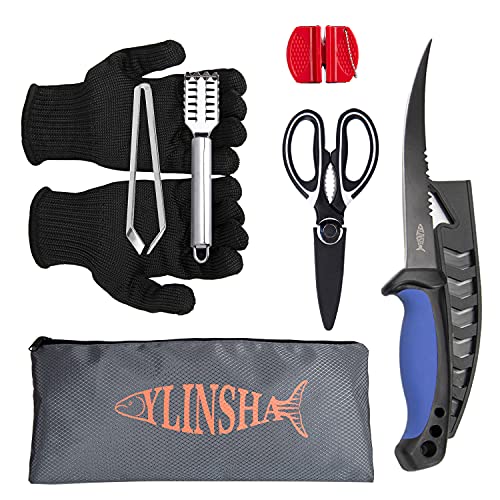
Before You Start
Prepare a clean workspace with a stable cutting board and good lighting. Have a bowl of cold water and a towel handy to keep hands and knives dry. Important cautions include maintaining sharp blades to minimize slipping, wearing cut-resistant gloves if available, and disposing of filleted waste promptly to avoid odors. Catfish skin can be slimy; ensure you have a firm grip on your knives and fish at all times. Time estimates vary by experience but plan for about 15–25 minutes per fish for a thorough clean and fillet.
Step-By-Step: How To Clean A Catfish Without Skinning
- Rinse and prep: Rinse the catfish under cool running water. Pat dry with a clean towel to reduce slipperiness and improve knife control.
- Remove fins carefully: Use a sturdy knife or kitchen shears to trim dorsal and pectoral fins. This reduces snagging during cleaning and filleting.
- Scale the fish (optional for skin-on finish): If the goal is to keep skin completely intact, you may skip heavy scaling, but a light pass with a fish scaler can help if slime is thick. Work from tail to head, scraping lightly and rinsing often.
- Gut the catfish: Make a shallow incision along the ventral midline from just behind the gills to the anal opening. Remove the entrails with gloved hands or a spoon, and wipe the cavity clean with a damp cloth.
- Rinse again: Rinse the cavity thoroughly to remove blood and viscera traces. Keep the fish angled to allow drainage away from your work area.
- Loosen the skin at the head: Make a small incision at the head near the gill plate to start lifting the skin. Use the skinning knife to gently separate skin from underlying tissue without removing it entirely.
- Fillet along the backbone: Starting at the head, run the flexible fillet knife just above the backbone, keeping the blade as close to the spine as possible. Work in long, smooth strokes toward the tail, lifting the fillet away from the bones.
- Follow the rib bones: After the initial cut, angle the knife to glide between ribs and spine. Use controlled pressure to avoid tearing the flesh. Repeat on the other side if you plan to produce two fillets.
- Trim and polish the fillets: Remove any remaining rib bones with the boning knife and trim ragged edges. Rinse the fillets lightly and pat dry before storage or cooking.
- Final rinse and storage: A final rinse under cold water removes residual scales and debris. Pat dry, then store on ice or in a sealed container if not cooking immediately.
- Safety check: Inspect knives for nicks or dull spots and sharpen as needed. Clean and dry tools after use to maintain longevity.
- Optional skin-on finish: If the recipe calls for skin-on fillets for crisping, leave the skin intact and scale only lightly, then proceed with filleting as above while keeping the skin on the flesh side for crisping later.
Troubleshooting
| Symptom | Likely Cause | Fix | Prevention |
|---|---|---|---|
| Fillet tears or ragged edges | Blade is dull or pressure is uneven | Sharpen knife; use long, smooth strokes and maintain angle | Keep knives sharp and steady; practice controlled pressure |
| Slippery fish slipping during skinning | Wet hands or blade; insufficient grip | Dry hands periodically; use grip-friendly gloves | Dry workspace and hands before every key step |
| Excess bone fragments in fillet | Rib bones not fully removed | Use boning knife to extract bones carefully | Take extra time on the rib area |
| Skin sticking to blade | Skin too warm or blade angle off | Keep fish cold; keep blade angled slightly away from skin | Work quickly but calmly; chill the fish between steps |
Common Mistakes
- Rushing fillet cuts, leading to torn meat
- Using a dull knife, increasing risk of slips
- Removing skin when the recipe requires skin-on fillets
- Neglecting to rinse the cavity, leaving odors or debris
Taking time to maintain proper technique reduces waste and improves yield. A well-maintained knife set can greatly simplify each step of the process.
Tips For Best Results
- Keep all knives sharp and properly aligned with the fish’s bones for precise cuts.
- Work in a clean, cold environment to minimize stickiness and improve control.
- If the catfish skin feels very slimy, a light dusting of salt can help improve grip during scaling and skinning.
- Rinse fillets briefly between steps to prevent buildup of scales and slime that can hinder cuts.
Call A Professional
Consider consulting a pro if you encounter persistent difficulty with skinning or bone removal, or if handling large quantities. Stop and seek help if there is persistent knife wobble, deep cuts, or signs of lacerations. For recipes requiring skin-on fillets or specialized techniques, a fishmonger or culinary instructor can offer hands-on guidance.
FAQ
Can I skin a catfish after skinning it partially?
Yes, you can finish skinning after partial separation, but end results depend on technique and knife control. Proceed slowly to avoid tearing.
Is it safer to scale the catfish before cleaning?
Scaling is optional if you plan to keep the skin on; scaling can reduce slime and improve grip during handling.
What knife is best for filleting catfish?
A flexible fish fillet knife around 7 inches provides good control along the backbone and ribs.
How should I store the fillets after cleaning?
Keep fillets on ice or in a sealed container in the refrigerator, and cook within 1–2 days for best quality.
Buying Guide
Choosing the right tools for cleaning catfish without skinning makes the process safer and more efficient. Consider size, weight, and grip when selecting knives and kits. A dedicated fish cleaning kit with a scaler and knife helps streamline the workflow, while a flexible fillet knife enables precise cuts along bones. Look for stainless steel blades that resist corrosion and maintain sharpness after frequent use. For households that prepare fish regularly, investing in a durable boning knife and a skinning-capable knife is a smart choice.
Key factors include:
- <bSize and weight: A balanced blade that feels comfortable in hand improves control during delicate filleting.
- <bNoise and tactile feedback: Heavier blades may require more effort but provide tactile feedback for clean cuts.
- <bEnergy efficiency: Not applicable—focus on durability and performance instead.
- <bControls: Ergonomic handles with non-slip grips help maintain safety during wet tasks.
- <bPlacement: Store knives in a secure rack or sheath to protect blades and prevent accidents.
When comparing bundles, evaluate whether the kit includes a dedicated scaler, a flexible fillet knife, and a boning knife. Prioritize corrosion-resistant stainless steel and a comfortable grip. Reading user reviews and testing grip in a store can help confirm fit for your kitchen setup.