Olive oil spills on wood floors can leave sticky residues and slippery spots if not handled promptly. This guide outlines practical steps using common wood floor cleaning tools and oil-specific products to restore the floor’s appearance without damage. The approach focuses on quick action, safe products, and preserving finish over time.
Quick Answer
Act fast to blot up excess oil, then use a pH-neutral wood floor cleaner or a degreaser designed for wood floors. Apply a gentle soap solution, scrub with a microfiber mop, and rinse with clean water. For stubborn stains, repeat with an oil stain remover and follow with a grease remover spray to finish. Always dry the area completely to prevent warping.
What You’ll Need
The following tools and products help tackle olive oil on wood floors efficiently. Use the items to maximize effectiveness while protecting the wood finish.
- Wood floor cleaner degreaser oil spills 32 oz spray
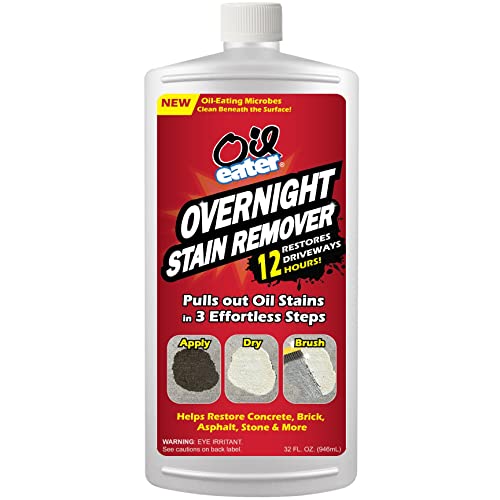
- Oil stain remover for wood floors 16 oz
- Microfiber mop for wood floors grease cleanup
- Grease remover for hardwood floors spray 24 oz
- pH-neutral wood floor cleaner kit for kitchen spills


Before You Start
Prepare the affected area by removing furniture if possible and ensuring good ventilation. Place a towel or mat to catch drips as you work. Time estimates vary: light spills may take 15–30 minutes, while larger or set-in stains could require 1–2 hours with drying time. Never use harsh solvents or ammonia-based cleaners on unfinished or oiled wood finishes. Test any cleaner on a small, inconspicuous area first to avoid discoloration.
Step-By-Step: How To Clean Olive Oil Off Wood Floors
- Blot up as much oil as possible with a dry microfiber cloth or paper towels, working from the outside toward the center to prevent spreading.
- Lightly dampen a microfiber mop and apply a small amount of pH-neutral wood floor cleaner, focusing on the stained area.
- Gently scrub the area in a circular motion to lift the oil without scratching the finish.
- Rinse the mop frequently and change the water when it becomes visibly soiled to avoid re-depositing oil.
- If the stain remains, apply an oil stain remover for wood floors to the affected spot per product instructions, then wipe away.
- Use a grease remover for hardwood floors spray on tougher residues after the stain remover, following safety guidelines on the label.
- Rinse thoroughly with a clean, damp microfiber cloth to remove cleaners, then dry the area with a clean towel.
- Repeat steps 3–7 if necessary, especially on high-traffic floors where oil seeps into grain.
- Once dry, inspect the surface for uniform appearance. If finish looks dull, consider a light buff with a clean microfiber pad.
- Return furniture after the floor is completely dry and avoid walking on the area with bare feet until fully dry.
- For routine maintenance, use a pH-neutral wood floor cleaner kit for kitchen spills as part of your regular cleaning schedule.
Troubleshooting
| Symptom | Likely Cause | Fix | Prevention |
|---|---|---|---|
| Sticky residue after cleaning | Insufficient rinsing | Rinse area with clean water and wipe dry | Use minimal cleaner; rinse thoroughly |
| Discoloration or dull finish | Harsh cleaner or prolonged contact | Switch to a pH-neutral cleaner and test first | Spot-test cleaner on a hidden area |
| Oil reappears after drying | Oil soaked into grain or porous surface | Repeat with stain remover and finish with grease remover | Promptly blot oil and treat immediately |
| Rings or water marks | Excess moisture | Dry promptly; use damp, not soaking, cloth | Wipe in small sections |
Common Mistakes
- Using unlimited water or soaking the floor, which can warp wood.
- Using abrasive pads that scratch the finish.
- Applying cleaners directly to unfinished wood or areas outside the recommended kit.
- Skipping a final rinse, leaving residue that attracts more dirt.
Tips For Best Results
For best outcomes, work in a well-lit area and move systematically to avoid missing spots. Always finish by drying completely to prevent moisture damage. Consider keeping all listed products on hand for quick response to future spills. If the floor has a delicate or specialty finish, consult the manufacturer’s care guidelines before applying cleaners.
Call A Professional
Contact a pro if the stain covers a large area, the finish appears damaged, or the floor is engineered with special coatings. Signs that professional help is needed include persistent dulling, warping, or if repeated cleaning attempts fail to restore the appearance.
FAQ
Will olive oil stain hardwood floors?
Yes, olive oil can leave marks; acting quickly improves chances of removal with the appropriate cleaners.
Can I use a regular floor cleaner on olive oil spills?
Use a pH-neutral, wood-floor-safe cleaner to protect finish and avoid damage.
Is it safe to use heat to dry the area?
Avoid heat; air-dry or use a fan to prevent warping.
How long does it take for a wood floor to dry after cleaning?
Drying times vary by finish and humidity, typically 1–2 hours or longer in damp environments.
Should I re-seal the floor after an oil spill?
If the finish shows wear or dulling, resealing may be advisable after consultation with a flooring professional.
What if the stain is on a sealed but older floor?
Older seals may respond differently; test cleaners on a hidden area first and proceed cautiously.
Buying Guide
Choosing the right products helps ensure efficient cleaning without harming wood floors. Consider size, compatibility with wood finishes, and whether the cleaner is designed for oil and grease spills. Look for pH-neutral formulas that are safe for daily use and effective on grease. Energy-efficient spray bottles and ready-to-use kits save time and reduce waste. When comparing options, assess how easy the product is to apply with a microfiber mop and whether it includes a dedicated oil stain remover or grease remover for stubborn spots. Finally, ensure the kit or cleaners are suitable for your floor type, such as polyurethane-coated, engineered, or unfinished wood. Would you prefer a spray, a liquid cleaner, or a dedicated stain remover that works well on kitchen spills?”