Fruit flies can quickly become a nuisance in kitchens, especially during warm months or when ripe fruit is left out. A combination of clean surfaces, proper storage, and targeted control methods helps reduce and eliminate these tiny invaders. This guide explains proven methods and the tools that support them, so American households can restore a tidy, fruit-fly-free kitchen.
By using a mix of quick traps, surface cleaning, and preventive habits, homeowners can address both adults and larvae. The strategies below emphasize safe, effective, and affordable options suitable for indoor use.
Quick Answer
Act fast with a two-pronged approach: trap the adults and remove attractants. Use a simple apple cider vinegar trap or an electric UV trap to capture flies, then seal ripe fruit, drain kitchen sinks, and wipe down counter tops. Consistency matters—repeat traps and cleanings daily for about a week to break the life cycle.
What You’ll Need
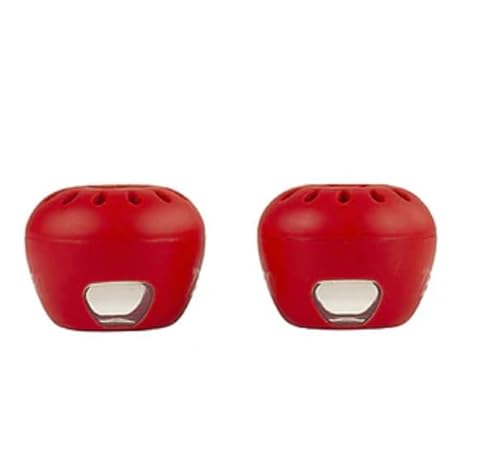
- fruit fly trap with apple cider vinegar
- electric fruit fly trap indoor
- sticky fruit fly traps kitchen
- fruit fly killer spray for kitchens
- UV light fruit fly killer indoor


Before You Start
Before tackling fruit flies, prepare the area: remove overripe fruit, rinse fruit and juices promptly, and empty trash daily. Clear away standing water and ensure drains are clean. Place traps in high-traffic zones like countertops, near compost, and by the sink. Safety note: follow label directions for any chemical sprays and keep traps out of reach of children and pets. Time estimates vary, but plan for 30–60 minutes of initial setup, with ongoing maintenance over the next week.
Step-By-Step: How To Get Rid Of Fruit Flies
- Set up a fruit fly trap with apple cider vinegar in a small jar or bowl, cover with plastic wrap, and poke small holes to let flies enter.
- Place an electric fruit fly trap indoor or a UV light fruit fly killer indoor in the kitchen or near trouble spots to attract and capture flies.
- Missed attractants? Create a second trap with a sugary solution (a drop of dish soap helps break the surface tension) to lure more flies.
- Seal all ripe fruit in the fridge and store produce in breathable containers to reduce attractive odors.
- Clean drains with a mixture of hot water and a mild cleaner; avoid leaving standing water in sinks or troughs where larvae could develop.
- Wipe down all surfaces, including shelves, fruit bowls, and countertops, to remove sugar residues and juice spills.
- Replace or refresh traps daily for the first 3–5 days, then maintain a light, ongoing presence until numbers drop.
- In high-traffic rooms, use sticky fruit fly traps kitchen placed along walls and under cabinetry where flies might rest.
- Consider using a fruit fly killer spray for kitchens for localized treatment on accessible surfaces, following safety instructions carefully.
- Monitor progress by noting daily trap counts; if activity persists beyond a week, re-evaluate hygiene and attractants.
- Continue prevention strategies after the flies decline to keep the area fruit-fly-free, including routine trash management and fruit storage.
Troubleshooting
| Symptom | Likely Cause | Fix | Prevention |
|---|---|---|---|
| Many flies persist after 5 days | New adults entering from outside or hidden larvae | Check for missed traps; inspect drains; sanitize garbage and compost areas | Seal entry points; keep doors/windows screened |
| Traps fill but flies still present | Attractants in other rooms | Move traps to other zones; increase trap count | Limit attractants in nearby rooms |
| No improvement with vinegar trap | Trap not effective for your flies | Switch to UV or sticky traps and clean surfaces more thoroughly | Pair multiple trap types |
| Sticky traps collecting debris quickly | Trap overfilled; not changed regularly | Replace traps every few days during peak activity | Keep traps clean and dry |
Common Mistakes
- Relying on a single trap type; fruit flies may respond differently to each method.
- Ignoring hidden breeding sites like drains and garbage disposal areas.
- Keeping ripe fruit exposed or leaving juice spills unattended.
- Delaying action after noticing fruit fly activity.
Tips For Best Results
- Combine multiple trap types for broader coverage, such as a fruit fly trap with apple cider vinegar and sticky traps in separate kitchen zones.
- Improve kitchen hygiene: wipe up spills immediately and rinse recyclables before placing in bins.
- Store produce in the refrigerator or sealed containers; use breathable produce bags for longer shelf life.
- Empty the trash daily and clean compost bins regularly to reduce odors that attract fruit flies.
- Keep a small rotation of traps active for several weeks to prevent reinfestation from adjacent areas.
Call A Professional
Consider contacting a pest control professional if fruit flies return after two or more weeks of consistent control, or if you notice widespread breeding in hidden spaces such as wall voids or large drains. Signs to seek help include persistent swarming during daylight hours, or an infestation that seems resistant to home remedies.
FAQ
What attracts fruit flies to kitchens?
Overripe fruit, exposed juices, and fermenting liquids attract fruit flies, as do standing water and organic debris in drains.
How long do fruit flies live?
Adult fruit flies typically live 2–4 weeks, with the entire life cycle from egg to adult completing in about a week under warm conditions.
Can I reuse vinegar traps?
Traps should be refreshed or replaced regularly; stale solutions lose effectiveness as scents fade and attractants diminish.
Are UV traps safe for homes with pets?
UV traps are generally safe when used as directed and placed out of reach of pets. Follow manufacturer guidelines for placement and operation.
Buying Guide
When choosing tools to combat fruit flies, consider size, ease of use, and how well the device fits your kitchen layout:
- Size and footprint: Choose compact or wall-mounted options if counter space is limited. UV light traps indoors can be discreet and effective in small rooms.
- Noise and odor: Some devices emit a soft hum or light scent; select models with quiet operation and low odor for open-plan kitchens.
- Energy efficiency: Energy-efficient traps keep ongoing costs minimal, particularly for devices left on continuously.
- Controls and maintenance: Look for simple timers or auto-restart features and traps that are easy to clean or replace attractants.
- Placement: Consider zones with the most activity—near the sink, produce storage, and trash areas. Use multiple devices if needed.
- Effectiveness: A combination of traps—apple cider vinegar, sticky traps, and UV or electronic traps—often yields the best results in American kitchens.
- Safety: Ensure devices are safe around food preparation areas and comply with household safety guidelines.
By selecting a versatile setup and combining traps with rigorous hygiene, households can reduce fruit fly activity quickly and maintain a cleaner kitchen environment.