Adhesive residue on glass can appear after removing stickers, decals, or tapes. This guide provides practical, step-by-step methods using common tools and specific products designed for glass surfaces. The goal is to remove the adhesive without scratching or staining the glass, leaving a clear, streak-free finish.
Quick Answer
For most sticky residues on glass, start with a citrus adhesive remover spray or an adhesive remover for glass. If the residue persists, use a glass scraper with replacement blades at a shallow angle, then finish with a microfiber glass cleaning kit to erase any remaining film. Always test a small area first.
What You’ll Need
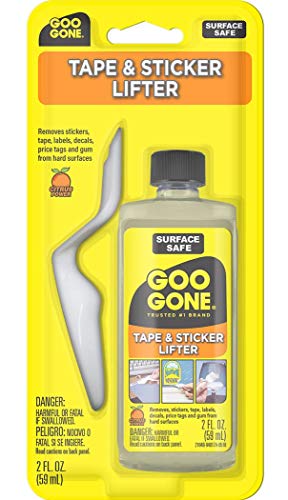
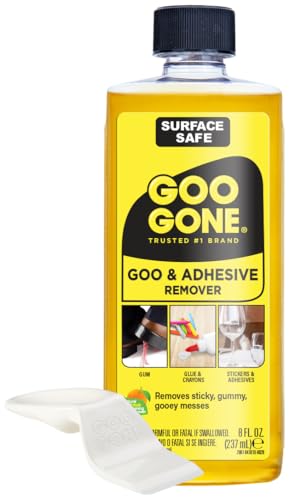
- Adhesive remover for glass
- Citrus adhesive remover spray for glass
- Glass scraper with replacement blades
- Microfiber glass cleaning kit adhesive residue
- Sticky residue remover for glass surfaces
- Soft cloths or microfiber towels
- Warm water and mild dish soap

Before You Start
Prepare the area by laying down a protective sheet to catch drips. Work in a well-ventilated space and wear gloves to protect your skin. Begin with the least aggressive method and increase effort only as needed. Do not rush the process, as aggressive scraping can scratch the glass. Time estimate: 15–45 minutes depending on residue thickness and surface exposure.
Step-By-Step: How To Clean Adhesive Off Glass
- Identify the type of adhesive: firm sticker backing vs. dried glue. This helps choose the right product from the list of adhesives designed for glass.
- Apply a citrus adhesive remover spray for glass to the affected area. Let it sit for 1–3 minutes to penetrate the residue.
- Wipe with a soft microfiber cloth to remove the loosened residue. For stubborn spots, reapply and wait briefly.
- If the residue remains, use an adhesive remover for glass in a small, circular motion. Avoid pushing too hard to prevent scratches.
- Gently deploy a glass scraper with replacement blades at a very shallow angle (about 10–15 degrees). Move the blade slowly to lift the film without gouging the surface.
- Wipe away the loosened adhesive with a clean microfiber cloth. Rinse the area with warm water and a drop of mild soap to remove any remaining film.
- Dry the glass with a lint-free cloth. Inspect for any remaining traces; repeat the remover or gentle scraping if needed.
- Finish with a microfiber glass cleaning kit adhesive residue to restore shine and prevent streaks.
- For high-gloss or heavily exposed panes, consider a second-pass with a dedicated sticky residue remover for glass surfaces and one final wipe.
- Store tools properly and dispose of used blades safely. Keep away from children and pets during the process.
- Optional check: spray a light glass cleaner and buff with a fresh microfiber to ensure uniform clarity across the entire pane.
Troubleshooting
| Symptom | Likely Cause | Fix | Prevention |
|---|---|---|---|
| Streaks after cleaning | Soap residue or improper drying | Rinse with clean water, dry with a lint-free cloth | Use pure microfiber towels; avoid ammonia cleaners on clear glass |
| Blade catches on glass | Dull blade or deep scratch risk | Replace blade; use light pressure | Always keep blade at a shallow angle |
| Adhesive reappears after drying | Sticky film left behind | Apply a second pass with adhesive remover and wipe thoroughly | Test a small area first; use the correct remover for glass |
| Hazy appearance | Cleaning product residue | Wipe with a clean, damp cloth and dry | Rinse with water between product uses |
Common Mistakes
- Using aggressive scrubbing or high blade pressure, which can scratch the glass
- Rushing the product dwell time; skipping the waiting period can leave residue
- Mixing cleaners that cause streaks or film (avoid combining ammonia with certain solvents)
- Not testing a small area before applying products broadly
Tips For Best Results
- Choose a citrus-based adhesive remover for glass first; it’s typically effective and gentler than harsher solvents.
- Always test on an inconspicuous corner before treating the main area.
- Keep blades sharp and use only the minimal angle necessary to lift the adhesive.
- Work in short, controlled passes rather than long, forceful strokes.
- Combine products strategically: loosen with remover, lift with scraper, finish with microfiber cleaning kit.
Call A Professional
Seek professional help if the glass shows deep scratches, unusual clouding, or if large areas require adhesive removal from anti-glare coatings or tempered glass. If the surface is tempered or coated and you are unsure about compatibility, contact a glass installation specialist or a professional service for guidance.
FAQ
What removes adhesive most effectively from glass?
A citrus adhesive remover spray for glass or an adhesive remover for glass is typically effective, followed by a gentle glass scraper for stubborn spots.
Can I use a regular scraper on glass?
Use a glass scraper with replacement blades and keep the blade at a shallow angle to minimize scratching.
Is it safe to mix cleaners on glass?
Avoid mixing cleaners; use products recommended for glass and test in a small area first.
How long should I wait after applying remover before scrubbing?
Allow 1–3 minutes for the remover to penetrate the residue before wiping or scraping.
Why is there a smear after cleaning?
This can occur from leftover film; reapply remover and wipe with a clean microfiber after a proper dwell time.
Should I rinse the glass after using adhesive remover?
Yes, rinse with warm water and dry to remove any residual product for a clear finish.
Is microfiber cleaning kit essential?
Microfiber avoids lint and streaks, helping to achieve a spotless, glass-clean surface.
Buying Guide
When selecting products for removing adhesive from glass, consider size of the job, type of glass, and how often you expect to perform this task. A combination approach often yields the best results: a citrus adhesive remover spray for glass for initial loosening, followed by a dedicated adhesive remover for glass when needed, and a glass scraper with replacement blades for stubborn films. A microfiber glass cleaning kit adhesive residue helps finish with a streak-free surface. Look for products labeled safe for glass and compatible with common coatings present on household glass surfaces.
Key buying factors include:
- Residue effectiveness: Choose products proven to break down sticky films without harsh rubbing.
- Surface compatibility: Ensure removers are safe for glass and any coatings present.
- Tools quality: A sturdy glass scraper with replacement blades reduces the risk of scratches and makes stubborn spots easier to lift.
- Finish: A microfiber glass cleaning kit helps achieve a clear, streak-free surface after residue removal.
- Ventilation and safety: Prefer water-based, low-odor formulas and wear gloves during use.
For smaller tasks, a spray-on citrus adhesive remover plus a soft cloth may suffice. For larger windows or panes with delicate coatings, consider professional-grade products and, if needed, professional assistance. Always follow label directions and test on a hidden area before full application.