Tile countertops bring a clean, durable surface to kitchens and baths, but grout lines can accumulate dirt, stains, and mildew over time. This guide covers practical methods and safe tools to restore grout to a bright, uniform appearance on porcelain or ceramic countertops.
Whether you’re refreshing a weekend project or maintaining high-traffic surfaces, following the right sequence and using the appropriate tools helps achieve professional results without damaging the tiles.
Quick Answer
For most grout restoration tasks on tile countertops, start with a grout cleaning brush and warm, soapy water to loosen surface grime. If stains persist, use a steam cleaner with a grout attachment or an electric grout removal tool for deeper cleaning. Finish with a grout haze remover kit to restore the grout color and seal the joints if needed.
What You’ll Need
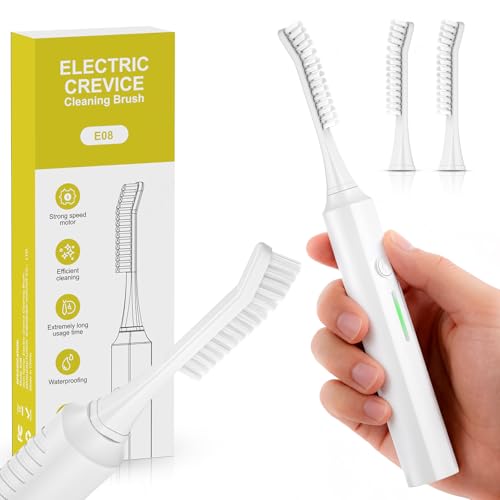
- Grout cleaning brush for tile countertops with long handle — reach deep grout lines without bending
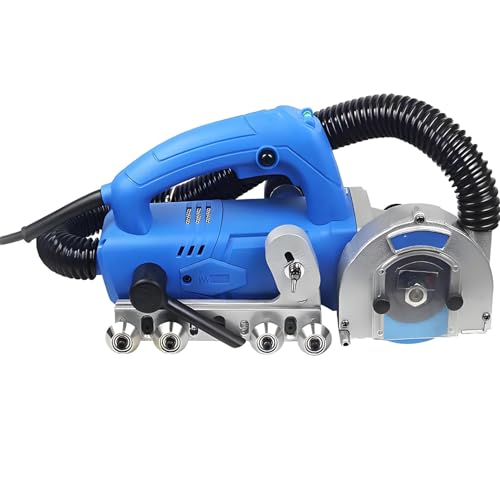
- Electric grout removal tool for ceramic tile countertops — for stubborn, embedded stains
- Steam cleaner with grout cleaning attachment for tile countertops — chemical-free deep cleaning
- Grout haze remover tool kit for epoxy grout on countertops — for post-cleaning haze on epoxy grout
- Porcelain tile grout cleaning brush set with replaceable heads — versatile for different grout widths

Before You Start
Prepare the work area and protect nearby surfaces from cleaning sprays or splashes. Ventilate the space well, especially if using chemical cleaners. Test any cleaner on a small, inconspicuous area of the countertop before full application. Time estimates vary: plan 1–2 hours for a standard countertop, more for heavy staining. Wear gloves and eye protection and avoid harsh cleaners that can erode grout or damage tile surfaces.
Step-By-Step: How To Clean Grout On Tile Countertops
- Dry brush the grout lines to remove loose debris with the grout cleaning brush for tile countertops with long handle.
- Mix a mild cleaning solution (warm water and a few drops of dish soap) and apply along the grout with the brush, scrubbing in a circular motion.
- Rinse with clean water and wipe away soap film using a microfiber cloth to reveal the grout’s true color.
- If stains persist, use the steam cleaner with grout cleaning attachment for tile countertops to loosen deeper discoloration without chemicals.
- For stubborn or epoxy grout, employ the electric grout removal tool for ceramic tile countertops carefully along grout lines to expose clean substrate, then re-clean the area.
- Apply a grout haze remover as directed by the product instructions to eliminate any remaining film and restore the grout’s appearance.
- Rinse thoroughly and allow grout to dry completely before applying any sealer, if desired.
- Inspect for any low spots or cracked grout; re-grout or touch up as needed using compatible epoxy or cementitious grout.
- Wipe down the countertop with a clean, damp cloth to remove residue and prevent new buildup in the near term.
- Seal the grout if recommended for your grout type to improve stain resistance and longevity.
- Repeat maintenance every 6–12 months based on usage to maintain a bright, clean appearance.
Troubleshooting
| Symptom | Likely Cause | Fix | Prevention |
|---|---|---|---|
| Grout remains discolored after cleaning | Deep staining or epoxy grout residue | Use steam cleaner or haze remover kit; consider epoxy-safe cleaner | Clean regularly to prevent buildup; avoid harsh cleaners |
| Cracked or chipped grout after scrubbing | Ageing grout or aggressive tools | Repair damaged sections; re-grout with appropriate cementitious or epoxy grout | Use gentler brushes and test tools on a small area first |
| Haze after cleaning | Residue from cleaners or sealers | Apply grout haze remover as directed and rinse well | Rinse thoroughly; follow product instructions |
| Streaks or uneven color | Uneven cleaning or patchy sealant | Re-clean with proper brushes and reseal evenly | Maintain consistent cleaning technique |
Common Mistakes
- Using harsh acidic cleaners on grout, which can degrade cementitious or epoxy grout
- Scrubbing too aggressively, causing tile surfaces to scratch or grout to crumble
- Skipping preliminary testing of cleaners on a small area
- Forgetting to seal grout when recommended for the grout type
Tips For Best Results
- Work in small sections to keep the grout from drying out between steps
- Keep grout lines consistently damp while cleaning to maximize stain removal
- Use the replaceable heads of the porcelain tile grout cleaning brush set to match grout width
- Dry the area thoroughly after cleaning to prevent mildew growth
- Consider a periodic grout sealing schedule to extend cleanliness between deep cleans
Call A Professional
Stop and call a professional if grout is extensively cracked, mould is widespread, or there is damage beneath the tile surface. Seek expert assistance for large installations or when epoxy grout requires specialized restoration techniques.
FAQ
Can I use bleach to clean grout on countertops?
Bleach can whiten grout but may erode cement-based grout and weaken epoxy grout over time; use with caution and rinse thoroughly.
Is steam cleaning safe for all grout types?
Steam is effective for many grout types but test first on a inconspicuous area and avoid steam on delicate epoxy grout without guidance.
How often should grout be sealed on countertops?
Sealing frequency depends on grout type and usage; follow manufacturer guidelines and reseal when water no longer beads on the surface.
What is the best tool for epoxy grout on countertops?
A grout haze remover kit designed for epoxy grout plus a gentle brush helps remove haze without damaging joints.
Can I re-grout without removing old grout?
Partial re-grouting around severely damaged areas is possible; complete replacement may be necessary for uniform results.
Do I need to remove all epoxy grout before cleaning?
No, but water and cleaners should be chosen to avoid softening or damaging epoxy joints.
Buying Guide
Choosing tools and products for grout cleaning on tile countertops depends on grout type, stain severity, and personal preference. Consider:
- Grout type (cementitious vs epoxy) and the corresponding cleaners and sealers
- Tool versatility— long-handled brushes and replaceable heads reduce strain and fit various grout widths
- Power tools like an electric grout removal tool for deep-clean or heavy stains, used carefully
- Steam vs chemical cleaners—steam offers chemical-free cleaning but may be less effective on certain stains
- Noise and energy use— consider battery-powered or corded options and their impact on a typical kitchen workspace
- Placement and ergonomics— choose tools with easy reach in cornered or tight spaces and comfortable grips
When comparing options, assess how each tool handles grout width, stain depth, and the risk of surface damage. For many households, a combination of a long-handle grout brush, a steam attachment, and a haze remover kit provides a balanced approach. Do you need a dedicated kit for epoxy grout or a universal solution for ceramic and porcelain work? A practical setup often includes both a mechanical brush system and a steam- or chemical-assisted cleaning method for best results.