Stainless steel bathroom stalls offer a durable, hygienic option for high-traffic restrooms. Proper cleaning not only preserves their appearance but also extends their lifespan. This guide provides practical, step-by-step methods using common commercial-grade tools to maintain a spotless, streak-free finish.
Quick Answer
Use a non-abrasive stainless steel cleaner spray for restrooms on all surfaces, followed by a microfiber cloth for buffing. For stubborn marks, apply a stainless steel polish spray and finish with a stainless steel scrub brush to lift residues without scratching. Maintain with a squeegee after each use to reduce water spots.
What You’ll Need
- Stainless steel cleaner spray for restrooms
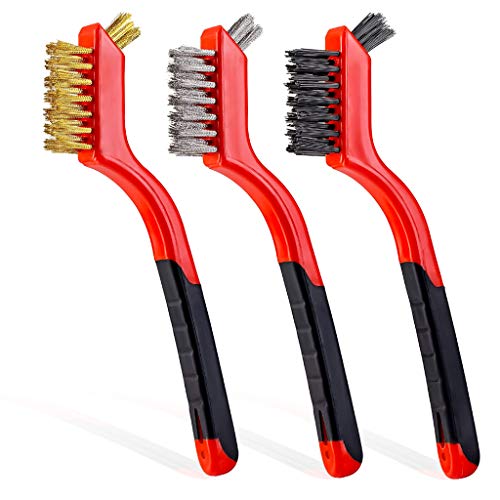
- Non-abrasive stainless steel scrub brush
- Microfiber cleaning cloths for stainless steel bathrooms
- Stainless steel polish spray for commercial restrooms
- Commercial restroom squeegee with stainless steel handle


Before You Start
Before cleaning, ensure the area is free of hazards and the stalls are unoccupied, or place wet floor signs as needed. Test cleaners on a small, inconspicuous area first to prevent discoloration. If the restroom is heavily soiled, plan for additional time and consider using more than one cleaning product in a sequence. Avoid mixing cleaners that contain chlorine bleach with ammonia or acidic cleaners. Safety gear such as gloves and eye protection is recommended when handling chemical cleaners.
Step-By-Step: How To Clean Stainless Steel Bathroom Stalls
- Remove any debris or trash from the stall interior and wipe down doors with a dry microfiber cloth to collect loose dust.
- Spray a light mist of stainless steel cleaner spray for restrooms onto the door and frame, focusing on handle areas and hinges where fingerprints accumulate.
- Use the non-abrasive stainless steel scrub brush on any stubborn spots, applying gentle, circular motions to lift grime without scratching the surface.
- Wipe away cleaner and loosened residue with a microfiber cleaning cloth, flipping to a fresh side as needed for a streak-free finish.
- Buff the surface with a dry microfiber cloth to enhance shine and remove fine streaks.
- For heavily stained or water-streaked areas, apply a small amount of stainless steel polish spray for commercial restrooms and let sit briefly before buffing with a clean cloth.
- Wipe the latch and hardware separately with a fresh cloth to remove fingerprints and prevent corrosion.
- Clean the floor area under the stall with a damp microfiber cloth and a neutral cleaner, then dry with a dry cloth or squeegee to prevent water pooling.
- Use the commercial restroom squeegee with stainless steel handle to maintain glass or mirror panes if present, then wipe dry with a microfiber cloth.
- Inspect for missed spots, repeat as necessary, and return tools to their storage when finished.
- Finish by performing a final overall wipe-down of all stall surfaces and doors to ensure consistent appearance across all stalls.
Troubleshooting
| Symptom | Likely Cause | Fix | Prevention |
|---|---|---|---|
| Streaks after wiping | Residue from cleaner or improper drying | Use a dry microfiber cloth and buff thoroughly | Wipe in the direction of grain; avoid over-wetting |
| Scratches or dull patches | Using abrasive tools | Switch to a non-abrasive scrub brush and gentler pressure | Choose appropriate brush for stainless steel and test first |
| Fingerprints reappearing quickly | Insufficient polish or high humidity | Apply polish spray and buff well | Regular maintenance schedule |
| Water spots on doors | Hard water and drying without drying aid | Dry with microfiber and use squeegee on wet surfaces | Wipe down after heavy use |
| Corrosion at hinges | Exposure to moisture and salt or cleaners | Clean with non-corrosive products and lubricate hinges | Regular inspection and timely maintenance |
Common Mistakes
- Using abrasive brushes or steel wool on stainless surfaces
- Mixing cleaners that release harsh fumes or cause chemical reactions
- Skipping a final buff or drying pass, leaving water marks
- Over-wetting the surface, leading to pooling and staining
These missteps can dull finishes, leave streaks, or shorten the lifespan of hardware. Consistency in method helps maintain a professional look across all stalls.
Tips For Best Results
- Always follow label directions on commercial-grade cleaners for safe use and effective results.
- Work in small sections to prevent cleaner from drying before removal, which can cause streaks.
- Maintain a dedicated set of microfiber cloths for stainless steel to avoid cross-contamination with other surfaces.
- Keep a routine schedule: daily quick wipe-downs and weekly deep cleanings for optimal shine.
- Consider a satin or matte finish preference when selecting a polish spray to match existing hardware.
Call A Professional
Contact a professional maintenance service if corrosion appears on hinges or structural components, if staining persists despite repeated cleaning, or if policy requires contractor-grade restorative work. Stop cleaning immediately and consult a professional if you notice damaged or peeling protective coatings, significant rust, or if the stainless surfaces begin to dull consistently despite proper technique.
FAQ
What is the best cleaner for stainless steel bathroom stalls?
A dedicated stainless steel cleaner spray for restrooms, used as directed, typically provides effective cleaning with minimal streaks.
Can I use household products on stainless steel stalls?
Some household cleaners are compatible, but it is safer to use products designed for stainless steel in commercial restrooms to avoid damage.
How often should stainless steel stalls be cleaned?
Daily quick wipes for high-traffic stalls, with weekly deep cleans for best results.
What should I do if hardware shows corrosion?
Stop using aggressive cleaners, clean with non-abrasive products, and consult a professional if corrosion persists.
Are microfiber cloths reusable?
Yes, microfiber cloths are reusable. Wash them separately from lint-producing fabrics to maintain performance.
Buying Guide
When selecting products to maintain stainless steel bathroom stalls, consider size, functionality, and safety. The key factors include:
- Size and coverage: Choose cleaner sprays and polish formulations that cover large surfaces efficiently without overspray.
- Noise level (for any scrub tools or squeegees with motors): aim for low-noise options suitable for late work hours.
- Energy efficiency for any powered equipment, including low-energy, durable brushes or battery-powered devices.
- Controls simplicity and compatibility with existing cleaning protocols.
- Placement of tools and cleaners in the maintenance area to minimize cross-contamination and streamline workflow.
Additionally, evaluate product compatibility with stainless steel finishes, the frequency of deep-clean needs, and the availability of replacement parts such as brushes and squeegee blades. By balancing these factors, facilities can maintain a professional, hygienic, and long-lasting restroom environment.