Fish odors can linger in kitchens, living areas, and even textiles long after cooking. This guide provides practical, proven steps using common odor-control products to help American households freshen spaces quickly and effectively. The approach combines ventilation, absorption, enzymatic action, and ongoing maintenance to keep your home smelling clean and inviting.
Quick Answer
Ventilate thoroughly with doors and windows or a vent fan; absorb odors using baking soda, activated charcoal, and odor-absorbing gels; neutralize lingering molecules with enzyme sprays or air purifiers equipped with activated carbon filters. Repeat as needed for best results.
What You’ll Need
- Activated charcoal odor absorber bags 12×8 inches for kitchen fish smell
- Enzyme odor remover spray 32 oz fish smell elimination
- Air purifier with activated carbon filter for kitchen odors fish smell
- Odor eliminating baking soda blocks deodorizer 2 lb
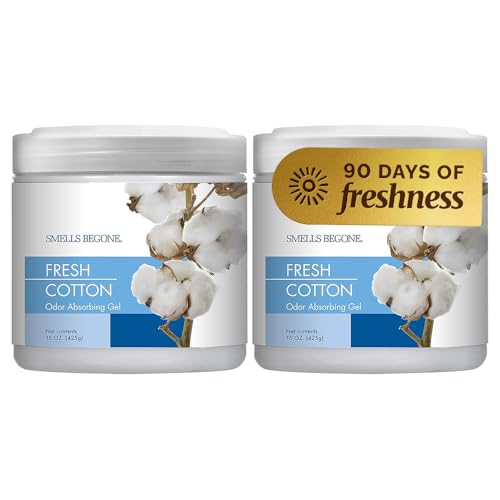
- Odor neutralizing gel beads fish smell control


Before You Start
Clear the area of obvious fish residues and wipe surfaces with a mild cleaner. Open windows or run the exhaust fan for at least 15–30 minutes after cooking or cleaning to start air circulation. Avoid mixing chemicals and keep children and pets away from strong sprays. Plan to repeat treatment over 24–48 hours for stubborn odors, and monitor textiles and fabrics that may trap scents.
Step-By-Step: How To Remove Fish Odor From Your Home
- Open all windows and turn on exhaust fans to create cross-ventilation and start dilution of airborne compounds.
- Place activated charcoal odor absorber bags around the kitchen and nearby living spaces to capture lingering VOCs from fish odor.
- Spray enzyme odor remover on hard surfaces, cutting boards, and appliances where fish odor may have adhered. Allow the enzymatic action to work for 10–15 minutes, then wipe away and dry.
- Set out odor eliminating baking soda blocks in the refrigerator, cupboards, and near trash areas to absorb moisture and odors over time.
- Position odor neutralizing gel beads in nonfood areas such as bathrooms, laundry rooms, and entryways for continuous release of pleasant scents and odor control.
- Run an air purifier with activated carbon filter in the kitchen and adjacent rooms for at least 2–4 hours, then keep it powered on as a preventive measure.
- Wash fabrics that may hold odor, including dish towels, oven mitts, and curtains, using hot water when appropriate and a suitable detergent.
- Vacuum carpets and upholstery to remove any embedded particles, followed by repeating the odor absorbers in strategic locations.
- Reapply baking soda blocks and gel beads as needed, especially after cooking fish and when odors return during the day.
- Do a second pass with the enzyme spray on any stubborn spots (sinks, drains, and garbage bins) and refresh air purifiers for ongoing control.
- Keep a consistent cleaning routine: wipe surfaces daily, run the purifier, and refresh absorbers weekly to maintain a neutral environment.
- Test the space after 24–48 hours. If odors persist, extend ventilation time and consider repeating the enzyme treatment in affected rooms.
Troubleshooting
| Symptom | Likely Cause | Fix | Prevention |
|---|---|---|---|
| Persistent kitchen odor after cooking | Inadequate air exchange | Increase ventilation, run purifier longer | Always vent during and after cooking |
| Odor returns in fabrics | Fabric embeds odor | Launder textiles and use odor absorbers nearby | Seal fabrics in storage with gel beads when not in use |
| Unpleasant scent near trash area | Residue and moisture buildup | Clean bins, use baking soda blocks nearby | Empty trash more frequently |
| Enzyme spray seems ineffective | Surface not fully cleaned | Wipe surfaces thoroughly and reapply | Follow product directions for dwell time |
| Air purifier shows diminishing performance | Filters clogged | Replace or clean activated carbon filter as recommended | Run purifier in affected spaces daily |
Common Mistakes
- Relying on a single method; odors often require multiple approaches simultaneously.
- Using strong air fresheners without addressing the source, which can mask rather than remove odors.
- Neglecting textiles; carpets and curtains can hold odor long after cooking.
- Overlooking drains and garbage areas where molecules accumulate.
Combining products and methods reduces the chance of reoccurrence and improves overall air quality more quickly.
Tips For Best Results
- Run the air purifier at the highest reasonable setting during and after cooking to maximize carbon filtration.
- Place odor absorbers at entryways, near the trash bin, and close to the kitchen to intercept odors early.
- Rotate baking soda blocks and replace gels on a regular schedule to maintain effectiveness.
- Maintain good kitchen hygiene: clean cutting boards, grease splatter walls, and sanitize drains to prevent odor buildup.
- Consider a proactive plan for future meals involving fish: use fans, lid vents, and pre-emptive absorbers during and after cooking.
Call A Professional
If odors persist after applying these methods for several days, consider consulting a professional. Signs that require expert help include persistent musty or chemical-like odors, warning of potential mold growth, or odors that reappear after deep cleaning or renovation. A professional can assess ventilation, ductwork, mold risks, and structural sources that consumer products cannot fully address.
FAQ
Can I use multiple odor eliminators at once?
Yes, using a combination of absorbers, gels, and sprays can accelerate odor removal and provide ongoing control.
How long does it take to remove fish smells?
Initial improvements can occur within hours, with full deodorization typically taking 24–48 hours depending on space and ventilation.
Are enzyme sprays safe for pets and kids?
Most enzyme-based products are designed to be child- and pet-safe when used as directed; follow label instructions and keep away from direct contact until dry.
Will an air purifier alone fix the odor?
Air purifiers help, but best results come from combining purifiers with absorbers and enzymatic cleaners, especially in kitchens and living areas.
How can I prevent odors from returning?
Establish a routine of ventilation after cooking, regular cleaning, and periodic replacement of carbon filters and odor absorbers.
Is washing fabrics enough to remove odors?
Washing helps, but textiles may retain scents; use odor absorbers near fabrics and repeat washing as needed.
Buying Guide
Choosing the right odor-control setup hinges on space, usage, and how aggressively odors appear. Consider these factors:
- Size and placement: Larger rooms may require bigger absorbers or multiple devices; position near odor sources but away from food prep areas.
- Noise level: Check the purifier’s decibel rating for a quiet operation in bedrooms and living rooms.
- Energy efficiency: Look for models with energy-saving modes or automatic sensors to balance performance and power use.
- Controls: Simple on/off plus adjustable fan speeds and timer features help tailor performance to daily routines.
- Multi-method coverage: A combination of activated charcoal, baking soda, and enzyme sprays often provides the best results.
- Placement considerations: Keep absorbers off the floor, away from direct sunlight, and near odor hotspots like kitchens, laundry areas, and trash spots.
- Maintenance: Replace filters as recommended and refresh gels or blocks to maintain effectiveness over time.
With the right mix of products and a steady routine, fish odors can be reduced effectively, restoring a fresh and comfortable home environment. If in doubt, start with a balanced kit that combines an odor absorber, a carbon-filter purifier, and an enzymatic spray for rapid results.