Cleaning a water bottle straw is essential for maintaining healthy hydration and extending the life of reusable containers. A careful approach removes stuck particles, reduces odor, and prevents mold growth. This guide explains a practical method using common tools and a focused set of straw cleaning brushes to keep every sip fresh.
Quick Answer
Disassemble, soak, and scrub with the right brushes: use a long flexible straw cleaning brush for deep cleaning, then finish with a dishwasher-safe brush for convenience. Rinse thoroughly and air-dry to prevent moisture buildup.
What You’ll Need
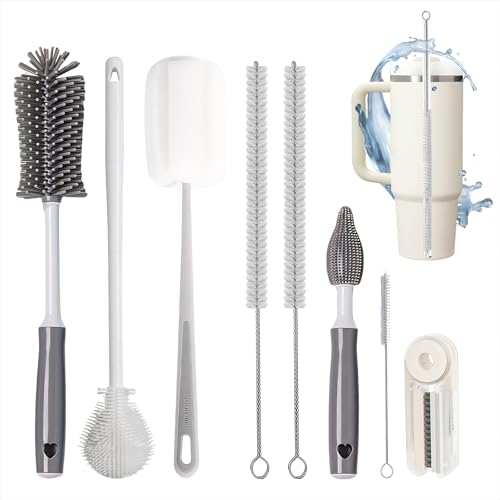
- Water bottle straw cleaning brush set
- Long flexible straw cleaning brush
- Straw cleaning kit with brush and scrubber
- Dishwasher-safe straw cleaning brush
- Reusable bottle straw cleaning brush for wide-mouth bottles


Before You Start
Prepare your workspace and gather brushes suitable for your bottle type. Check bottle mouth size to ensure the brush can reach inside. Avoid harsh scrubbing that can scratch or damage straw surfaces. Time estimate: 5–15 minutes per cleaning session, depending on straw stiffness and buildup. For vulnerable bottles, perform cleaning after every use to prevent residue buildup.
Step-By-Step: How To Clean A Water Bottle Straw
- Disassemble the bottle components and remove the straw from the cap or lid.
- Rinse the straw under warm running water to loosen loose debris.
- Insert the long flexible straw cleaning brush into the straw, gently twisting to scrub both inside walls.
- Use a straw cleaning kit with brush and scrubber to tackle stubborn buildup around bends or joints.
- For narrow or hard-to-reach sections, insert a water bottle straw cleaning brush set and work from both ends if possible.
- Rinse again to remove loosened material, then scrub exterior straw surfaces if accessible.
- Allow the straw to soak briefly in warm, soapy water, then rinse thoroughly with clean water.
- Dry the components completely, preferably by air-drying upside down to prevent water spots.
- Reassemble the bottle and inspect for any remaining residue or smells before use.
- Repeat the cleaning routine regularly, especially after using with flavored beverages or dairy-based liquids.
- Store dry and separate from other dishwasher-safe components to minimize cross-contamination.
Troubleshooting
| Symptom | Likely Cause | Fix | Prevention |
|---|---|---|---|
| Straw smells after cleaning | Residual moisture or soap residues | Rinse thoroughly and air-dry completely | Dry promptly after each use |
| Residue remains inside straw | Buildup in bends or mouthpiece | Use long flexible brush and scrubber kit | Clean immediately after use, especially with dairy or sugary drinks |
| Brush won’t reach narrow sections | Straw too long or too narrow | Try a different kit with a longer handle | Choose brushes sized for your straw type |
| Streaks or water spots | Rinsing incomplete | Rinse with warm water and air-dry | Rinse promptly after cleaning |
Common Mistakes
- Using abrasive cleaners that scratch the straw surface
- Skipping thorough drying, which encourages mold
- Forgetting to clean the cap’s seal and straw mouthpiece
- Attempting to clean with tools not suited for curved or wide-mouth bottles
Keeping a routine helps prevent buildup and ensures the brushes remain effective. Remember to replace brushes periodically when bristles wear out.
Tips For Best Results
- Establish a quick post-use rinse routine to remove sticky residues.
- Use warm soapy water to boost cleaning efficacy without harming materials.
- Rinse and dry brushes after each use to avoid trapped moisture.
- Store cleaning tools in a dry, ventilated area to prevent mold growth.
- For dishwasher-safe parts, check manufacturer guidelines before running a cycle.
Call A Professional
If the straw shows persistent discoloration, cracks, or mold that cannot be removed with brushes, stop using the bottle. Consult the bottle manufacturer’s support or replace the straw assembly to avoid potential health risks.
FAQ
Can I clean a straw in the dishwasher?
Many dishwasher-safe brushes are designed to withstand dishwashing, but always verify your bottle’s material and the brush’s compatibility.
How often should I clean a straw?
Clean after each use, especially if you consume flavored drinks, dairy, or smoothies.
What if my straw is ultra-narrow or curved?
Use a long flexible brush designed for narrow or curved straws to reach all interior surfaces.
Are there brushes specifically for wide-mouth bottles?
Yes, reusable bottle straw cleaning brushes for wide-mouth bottles help clean the exterior and interior where the straw attaches.
Buying Guide
Choosing the right cleaning tools hinges on straw design, bottle mouth size, and cleaning frequency. Consider the following factors to optimize selection and performance.
- Size and compatibility: Ensure brushes fit your straw diameter and bottle mouth. Wide-mouth bottles may need different brushes than standard bottles.
- Brush flexibility: Long, flexible bristles can reach bends and joints without bending the straw material.
- Material safety: Look for BPA-free plastics or stainless-steel components when applicable and confirm dishwasher compatibility.
- Cleaning efficiency: Kits that combine internal brushes with scrubbers help remove tough buildup around mouthpieces.
- Durability and replacement: Durable handles and replaceable brush heads extend tool life and reduce waste.
- Ease of storage: Compact sets are easier to keep in a cabinet or travel kit.
When comparing options, evaluate how well each kit cleans curved or wide-mouth straws, whether it includes a dedicated long brush, and the ease of cleaning both interior surfaces and external surfaces. A flexible, multi-tool kit often provides the best value for households with different bottle types. If unsure, start with a basic set and add specialty brushes as needed.