Cleaning antique furniture requires a careful approach that preserves its patina, wood tone, and delicate finishes. The goal is to remove dust and grime without removing the protective layer or altering the piece’s character. This guide outlines practical steps using safe products designed for antique wood care.
Antique pieces command attention for their history and craftsmanship. With the right routine, owners can maintain luster while avoiding damage. The following steps provide a clear method, from prep to maintenance, with product options tailored for vintage wood.
Quick Answer
Use a pH balanced wood cleaner to gently lift dirt, then follow with a light beeswax polish to guard the surface. For dry or thirsty wood, apply an antique wood conditioner oil sparingly. Dust daily with microfiber cloths and finish with a gentle cleaning spray that leaves no residue. Avoid harsh solvents and excessive moisture.
What You’ll Need
- pH balanced wood cleaner for antique furniture
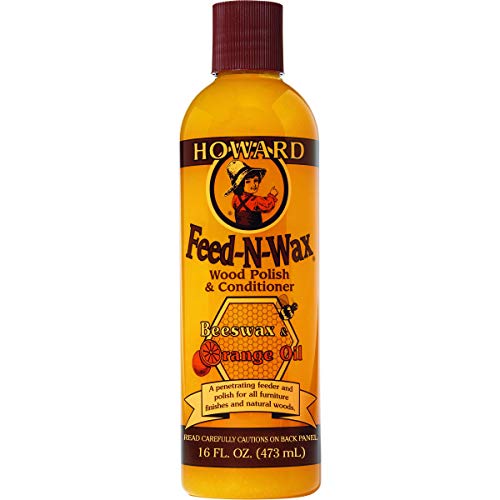
- Beeswax furniture polish for antique wood
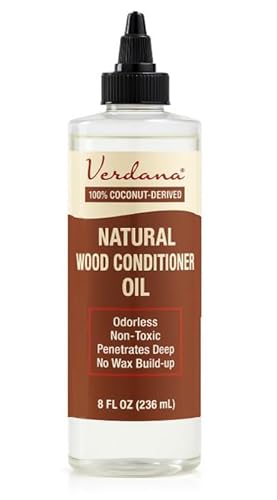
- Antique wood conditioner oil for restoration
- Microfiber dusting cloths for antique furniture care
- Gentle wood cleaning spray for vintage furniture no-residue

Before You Start
Inspect the piece for loose joints, cracks, or finish flaws before cleaning. Work in a well ventilated area and on a clean, stable surface. Test any product on a small hidden area first to ensure no color change or residue. Do not saturate the wood; moisture can cause swelling or warping.
Critical cautions include avoiding ammonia based cleaners, standard household detergents, and abrasive pads. These can wear down a finish and degrade patina over time. Schedule cleaning when the piece is free of dust and high humidity to minimize moisture exposure.
Step-By-Step: How To Clean Antique Furniture Without Stripping
- Begin by removing loose dust with a microfiber dusting cloth from top to bottom, using long, gentle strokes along the grain.
- Lightly mist a pH balanced wood cleaner for antique furniture onto a clean cloth, never directly on the wood, and wipe a small section in smooth motions to lift surface dirt.
- Wipe with a dry microfiber cloth to remove any remaining moisture and prevent streaks or water spots.
- For drier areas or embedded grime, repeat on a small area with minimal cleaner and avoid excessive scrubbing to protect the finish.
- Apply a thin layer of antique wood conditioner oil for restoration only where the wood looks thirsty or dried out, following the product directions closely.
- Let the conditioner absorb for the recommended time, then wipe off any excess with a clean cloth to prevent a sticky sheen.
- Polish with a light coat of beeswax furniture polish for antique wood on surfaces that benefit from a protective patina, working in circular motions with the grain.
- Buff gently with a final dry cloth to achieve a soft, natural glow without creating a slick surface that attracts dust.
Troubleshooting
| Symptom | Likely Cause | Fix | Prevention |
|---|---|---|---|
| Cloudy finish after cleaning | Over moisture or too much cleaner | Wipe with a dry cloth and allow to dry completely | Use minimal moisture and test first |
| Streaks on dark wood | Residue left from cleaner | Rewipe with a clean cloth and dry | Use proper amount and immediate dry after cleaning |
| Rough texture after conditioning | Overapplication of oil | Wipe away excess with cloth; rebuff lightly | Apply in small amounts and follow directions |
| Finish lifting or whitening | Wrong product for finish type | Stop using the product and consult a professional | Test on inconspicuous area first |
Common Mistakes
- Using harsh chemical cleaners that strip wax and glaze
- Over saturating wood with water during cleaning
- Skimping on a final buff or protective polish
- Ignoring test patches on inconspicuous areas
Following a conservative approach reduces risk of damage while preserving value. Always wipe in the direction of the grain and limit moisture exposure.
Tips For Best Results
- Dust regularly with microfiber cloths to minimize deep cleaning needs
- Use a dedicated space for antique wood care away from heat sources
- Rotate cleaning efforts to cover all surfaces evenly
- Avoid silicone based polishes that can build up over time
- Store cleaning products in their original containers and label clearly
Call A Professional
Seek professional help if the piece shows severe finish damage, cracked veneer, loose joints, or signs of woodworm. Stop cleaning if color changes become noticeable or if the surface appears tacky after polishing. Complex restorations such as veneered surfaces or antique inlays should be handled by a conservator or skilled furniture restorer.
FAQ
Can I use household cleaners on antique wood
Avoid household cleaners which can be too harsh for antique finishes. Opt for pH balanced cleaners designed for wood care.
How often should I clean antique furniture
Dust weekly and perform a light cleaning monthly or as needed based on usage and exposure to dust.
Is oiling necessary for all antique woods
Oil is beneficial for dry wood but avoid over application. Use conditioning oil sparingly when wood looks thirsty.
Will beeswax polish harm my finish
Beeswax polish is safe when applied sparingly and buffed well. Excess wax can dull the sheen over time.
Buying Guide
The buying guide helps compare key factors for antique wood care products. Consider size and packaging to fit your cleaning routine, noise level of any spray applicators, energy efficiency concerns are not relevant for manual care, and placement to minimize sun exposure and humidity shifts. When evaluating options, assess how easily the product can be used on curved surfaces or carved details and whether it leaves a no residue finish. Look for pH balanced formulas that are specifically labeled for antique and vintage furniture care. A simple routine featuring a pH balanced cleaner, a protective beeswax polish, and a gentle conditioner oil provides a balanced approach. Always test products on hidden areas first and follow manufacturer directions for best results. By comparing the included tools and finish impact, owners can maintain the original beauty of antique pieces without stripping or dulling patina.